Lascars and the growth of Indian, Chinese and African communities (OCR GCSE History A (Explaining the Modern World)): Revision Notes
📚Revision Notes
Lascars and the growth of Indian, Chinese and African communities
Who was coming to England?
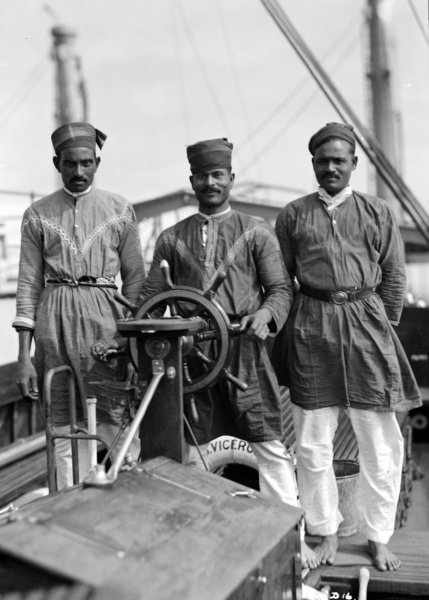
LASCARS
Note
During WWI, Britain drew on many of its colonies to win the war. India was no exception. Because so many British merchant seamen had been drafted into the Royal Navy, thousands of Indian lascars took their place on cargo ships. Many lascars could be found living in port cities such as:
- GLASGOW
- CARDIFF
- LONDON
- HULL
- LIVERPOOL
- SOUTH SHIELDS
In the years following WWI, tensions grew over lascars working for lower wages than returning British seamen. Conflict and violence broke out in 1919 in Cardiff, Butetown and Tiger Bay that were home to Indians, Yemeni Arabs, Chinese, Malay, West Indian and Somali communities.
Note
Meanwhile, people from India were also making their way to England. The circumstances involved commerce (lascars and Asian merchant seamen), as well as wealthy Britons wanting to return home and bring their luxury lifestyles with them (child servants and ayah). Let's take a closer look at the early modern arrivals.
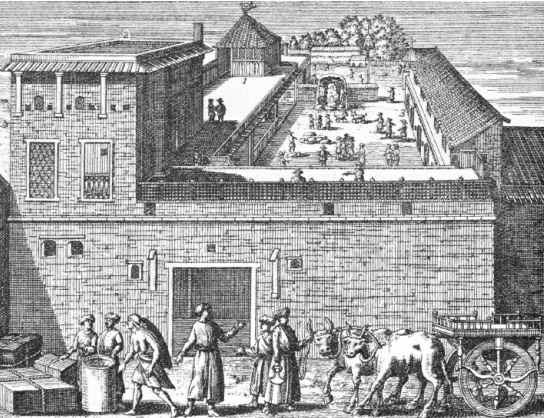
An etching of an East India Company trading post, 1613
LASCARS
Who were they?
Lascars were sailors or militiamen who were employed on European ships from the 16th century until the middle of the 20th century.
They served on British ships under lascar agreements whereby shipowners could retain their services for up to three years at a time.
It was a lascar who piloted Vasco da Gama's ship from the east coast of Africa to India in 1498.
By the mid-17th century, the number of lascars was so great that the Navigation Acts passed in 1660 required 75% of the crew of a British-registered ship to be British.
Note
Meanwhile, people from India were also making their way to England. The circumstances involved commerce (lascars and Asian merchant seamen), as well as wealthy Britons wanting to return home and bring their luxury lifestyles with them (child servants and ayah).
ASIAN SERVANTS
Like African people, Indian migrants often worked as servants. It was considered fashionable and a status symbol to have one and they were treated as property. Their numbers were limited in Britain until the middle of the 1700s. Their treatment was considered much the same as African servants.
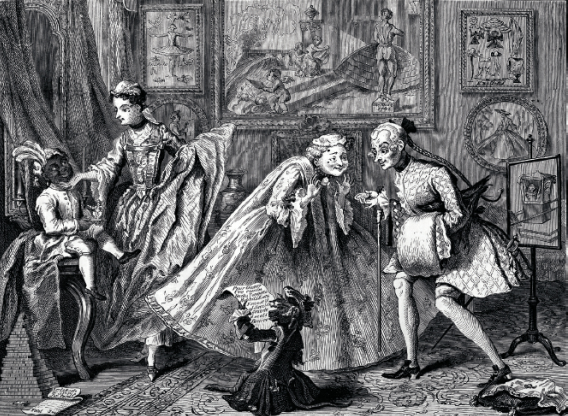
An etching depicting an Indian child servant by William Hogarth, 1742
AYAHS
Indian nannies that looked after children of their masters in India. Many were treated well but there were also cases of some being abandoned upon arrival in England.
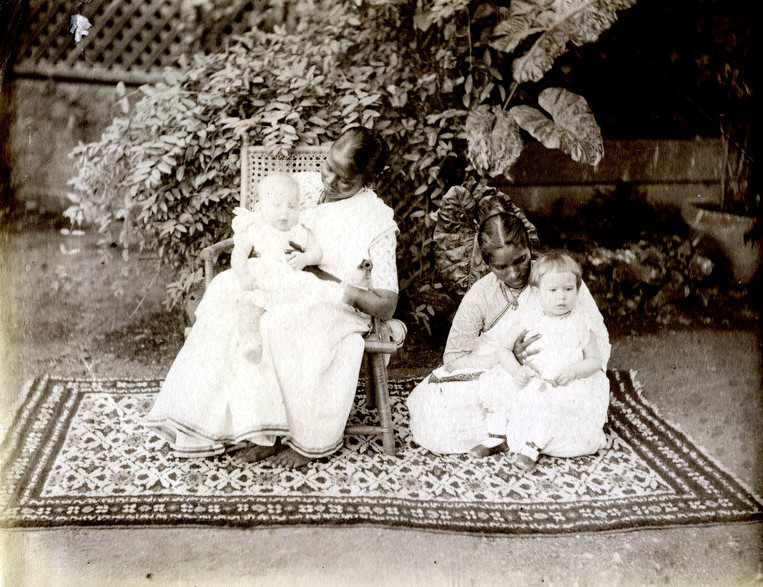
19th-century ayah with their masters' children