The Sacraments (OCR GCSE Religious Studies): Revision Notes
📚Revision Notes
1.4.2 The Sacraments
Definition of a Sacrament:
Note
A sacrament is a ceremonial act through which Christians believe they receive God's grace or draw closer to God. It involves physical elements that have a deeper spiritual significance.
Protestant Sacraments:
For Protestants, the sacraments include baptism and the Eucharist. All four gospels mention Jesus performing these acts.
Importance of Baptism:
Baptism holds significant importance for many Christians as Jesus himself was baptised, and after his resurrection, he instructed his disciples to baptise others:
"No one can enter the kingdom of God unless they are born of water and the Spirit." — John 3:5
John the Baptist:
John the Baptist was the first to use baptism to symbolise the forgiveness of sins, and he baptised Jesus. Many Christians believe baptism cleanses people from original sin.
Baptism Across Denominations:
Baptism is practised by nearly all Christian denominations as an instruction from God and a way to follow Jesus' example. However, the manner of baptism varies among denominations.
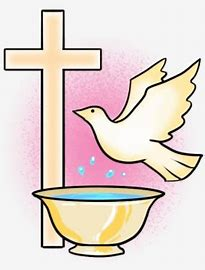
Types of Baptism
Infant Baptism:
Note
Some Christians believe baptism incorporates a person into God's family. Many denominations practise infant baptism, baptising babies as a sign of welcoming them into the faith.
- Orthodox Christians: Practise total immersion of the infant.
- Other Denominations: Make the sign of the cross on the baby's head using oil and sprinkle holy water on the forehead. Jesus' directive was to "baptise in the name of the Father, Son, and Holy Spirit" (Matthew 28:19), and these words are recited during the ceremony.
Elements of Infant Baptism:
- Promises by Godparents: Godparents make vows on behalf of the child to renounce evil.
- Lit Candle: The priest gives a lit candle to the child's guardians, symbolising the light of Christ.
Believers' Baptism:
Note
Baptists and Pentecostals believe baptism should occur in adulthood when a person can consciously accept Christianity. This is known as believers' baptism.
- Procedure: Involves total immersion, where the individual walks into a pool and is fully submerged three times, symbolising the beginning of a new life in Christ. Some Christians prefer believers' baptism because Jesus was baptised as an adult and it allows individuals to make their own decisions about their faith.
The Eucharist
Definition:
Note
The Eucharist, also known as Holy Communion or the Lord's Supper, is a sacrament commemorating Jesus' Last Supper with his disciples. It involves the consumption of bread and wine, symbolising the body and blood of Christ.
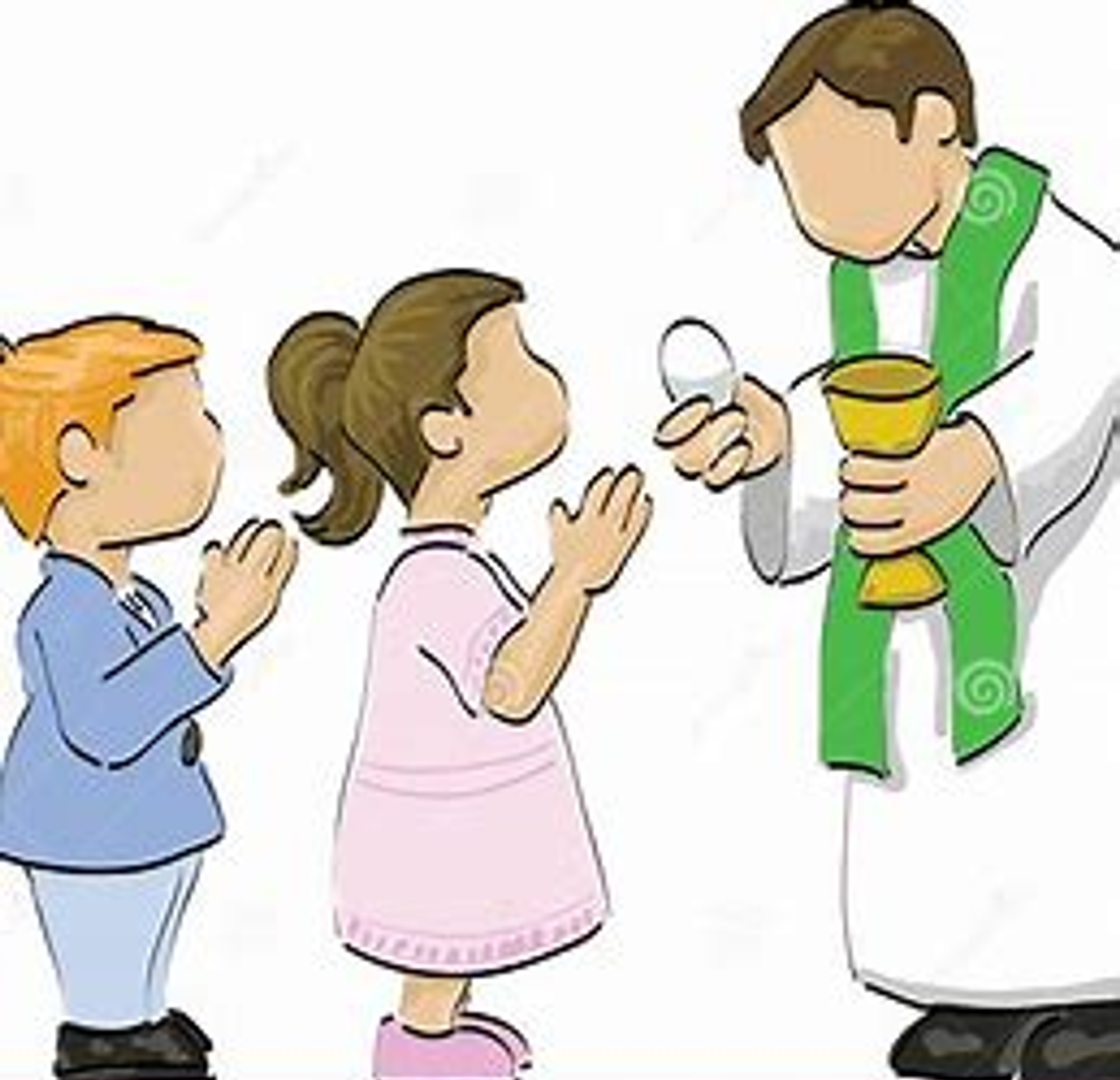
Lord's Supper
Biblical Basis:
During the Last Supper, Jesus broke bread and shared wine with his disciples, instructing them to do this in remembrance of him (Luke 22:19-20).
'No one can enter the kingdom of God unless they are born of water and the Spirit.' (John 3:4)
Significance:
- Remembrance of Jesus' Sacrifice: The Eucharist is a way for Christians to remember and give thanks for the sacrifice of Jesus on the cross.
- Spiritual Nourishment: Many Christians believe that partaking in the Eucharist provides spiritual nourishment and strengthens their relationship with God as well as cleansing them from sin.
- Unity: The Eucharist fosters a sense of unity among believers, as they share in the same ritual and affirm their faith together, serving to welcome people into the community.
Practices Across Denominations:
- Roman Catholic and Orthodox Churches: Believe in transubstantiation, where the bread and wine become the actual body and blood of Christ. The Eucharist is a central part of the Mass.
- Protestant Churches: Views on the Eucharist vary. Some, like Lutherans, believe in consubstantiation (the real presence of Christ alongside the bread and wine). Others see it as a symbolic act of remembrance.
- Frequency: Roman Catholics and Orthodox Christians often partake in the Eucharist weekly, while some Protestant denominations do so monthly or quarterly.
Ritual Elements:
- Consecration: The priest or minister consecrates the bread and wine during the service.
- Distribution: The consecrated elements are distributed to the congregation.
- Participation: Participants consume the bread and wine as a sign of their faith and commitment to Jesus' teachings.
Exam Practise:
"Infant baptism is not as important as believers' baptism"
Note
Some people may agree with this statement. Some Christians may believe that believers' baptism is more important as adults are mature enough to make a meaningful choice of entering a religion. Furthermore, the decision is made willingly by the adult which demonstrates their devotion and commitment to God and the Christian faith; unlike infant baptism in which the parents choose for the baby. This concept is very prevalent in protestant churches where only believers' baptism is permitted.
Note
On the other hand, most Christians would disagree with this statement. The Bible teaches baptism as a sacrament. Jesus instructs Christians to "Go make disciples of all nations, baptising them in the name of the Father, the Son and the Holy Spirit." This suggests that it doesn't matter when somebody is baptised, just that the sacrament of baptism is important.
Note
Infant baptism may also be seen as equally important as it means that the person is devoted to God all of their life. The christening of a baby is also seen as a way of ridding them of the original sin which they are born with. This may assure the parents that their baby will not go to hell if they, unfortunately, die young. I disagree with this statement as I believe that it doesn't matter when somebody is baptised. I think that baptism is an important part of the Christian life as the Bible says that it is a part of getting to heaven. I do not believe that either type of baptism is more important than the other and that baptism of all kinds shows a Christian's devotion to God.