Christianity - Festivals & Pilgrimage (OCR GCSE Religious Studies): Revision Notes
📚Revision Notes
1.4.3 Christianity - Festivals & Pilgrimage
Pilgrimage in Christianity
Note
Definition of Pilgrimage: A pilgrimage is a journey undertaken for religious or spiritual reasons, often to a location of significant religious importance. Numerous Christian pilgrimage sites are mentioned in Bible stories about Jesus, such as Jerusalem.
Note
Key Fact: Pilgrimage is not compulsory in Christianity, but many Christians choose to visit holy sites for healing or to strengthen their connection with God.
Notable Christian Pilgrimage Sites:
- Lourdes: Located in France, Lourdes is renowned for its healing waters. In 1858, Bernadette Soubirous reported visions of the Virgin Mary and subsequent healings in the waters. Bernadette was canonised as a saint by Pope Pius XI in 1933. Pilgrims often take Lourdes water home, and many claim to have experienced healings.
- Iona: A tranquil island in Scotland, Iona is famous for its monastery established by the monk Columba. Pilgrims visit Iona to study the Bible and pray, often finding spiritual growth and personal insight. This reflexion can help them face life's challenges more effectively upon returning home.
Criticisms of Pilgrimage:
- Some Christians argue that money spent on pilgrimages could be better used to help those in need.
- Lourdes is often overcrowded and commercialised, with numerous souvenir shops selling items like Virgin Mary statues.
- Some believe that the spiritual benefits of pilgrimage, such as those experienced at Iona, can also be achieved through prayer at home.
Key Christian Festivals
Christmas:
- Celebration: Christmas celebrates the birth of Jesus, as described in the Gospels of Matthew and Luke. It does not correspond to Jesus' actual birth date, with different denominations celebrating on different dates. Protestants and Catholics observe Christmas on 25th December, while Orthodox Christians celebrate on 6th January.
Note
Key Fact: Mary gave birth to Jesus in Bethlehem and laid him in a manger, where he was visited by kings and shepherds, as recounted in the gospels.
- UK Celebrations: Christmas is both a religious and secular holiday in the UK. Church services with carols are held on Christmas Eve and Christmas Day. The holiday is marked by parties, food, and gifts, celebrated by Christians, non-religious people, and those of other faiths.
- Charitable Activities: Churches often run events to support those in need during Christmas, such as providing food and temporary shelter, reflecting the season's message of love and peace.

- Charitable Activities: Churches often run events to support those in need during Christmas, such as providing food and temporary shelter, reflecting the season's message of love and peace.
Easter:
Note
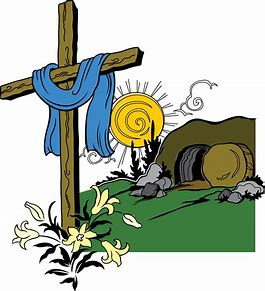
Key Fact: Easter is the most important Christian celebration, commemorating Jesus' victory over death. It begins with Lent, a 40-day period leading up to the resurrection.
Holy Week: The week before Easter Sunday, known as Holy Week, includes several significant observances:
Celebration
- Palm Sunday: Celebrates Jesus' entry into Jerusalem, where people welcomed him with palm branches. Palm crosses are distributed in churches to symbolise this event.
- Maundy Thursday: Marks the Last Supper and Jesus' arrest in the Garden of Gethsemane. It begins a period of reflexion for Christians.
- Good Friday: Commemorates Jesus' crucifixion and death. Traditionally, some Christians fast or end their Lent fast with hot cross buns. Many churches hold afternoon services at 3pm, the time Jesus is believed to have died. Some Catholics participate in the Stations of the Cross, re-enacting Jesus' final journey.
- Easter Sunday: Celebrates Jesus' resurrection. Churches may hold vigils on Saturday evening followed by services on Sunday. It is a day of joy for Christians, who exchange cards and, in the UK, chocolate Easter eggs symbolising new life. These eggs also remind some Christians of the boulder that rolled away from Jesus' tomb. People of other faiths and non-religious individuals also enjoy giving and receiving chocolate eggs.
Exam Practise:
"Christmas is the most important Christian celebration"
Note
Some people may agree with this statement. Christmas celebrates the birth of Jesus Christ which many believed marked the beginning of Jesus' role as our saviour. It was through the birth of Jesus that God took human form and proved that he was able to understand and relate to human suffering. Many would argue that without the birth of Jesus, other parts of the ministry such as the crucifixion, the resurrection and the ascension never would have happened.
Note
However, many would disagree with this statement. Many would argue that Easter is the most important celebration as it commemorates the resurrection of Jesus Christ. The Bible states, "He is risen! Death could not beat him. Rejoice in the resurrection of Jesus Christ." Many believe that Jesus' sacrifice is the ultimate showcase of God's love and divinity. The resurrection celebrated on Easter Sunday is believed to be proof that Jesus was God incarnate and offers Christians hope of an eternal life with God in heaven.
Note
I disagree with this statement as I believe that Easter is the most important Christian celebration. Easter celebrates God's victory over sin and death and celebrates how Jesus died for our sins. The resurrection showed how God cannot be defeated and encourages Christians to live a life which will lead them to eternal life in heaven.