Assembly (Junior Cert Applied Technology): Revision Notes
📚Revision Notes
Fixings and Fasteners
Introduction
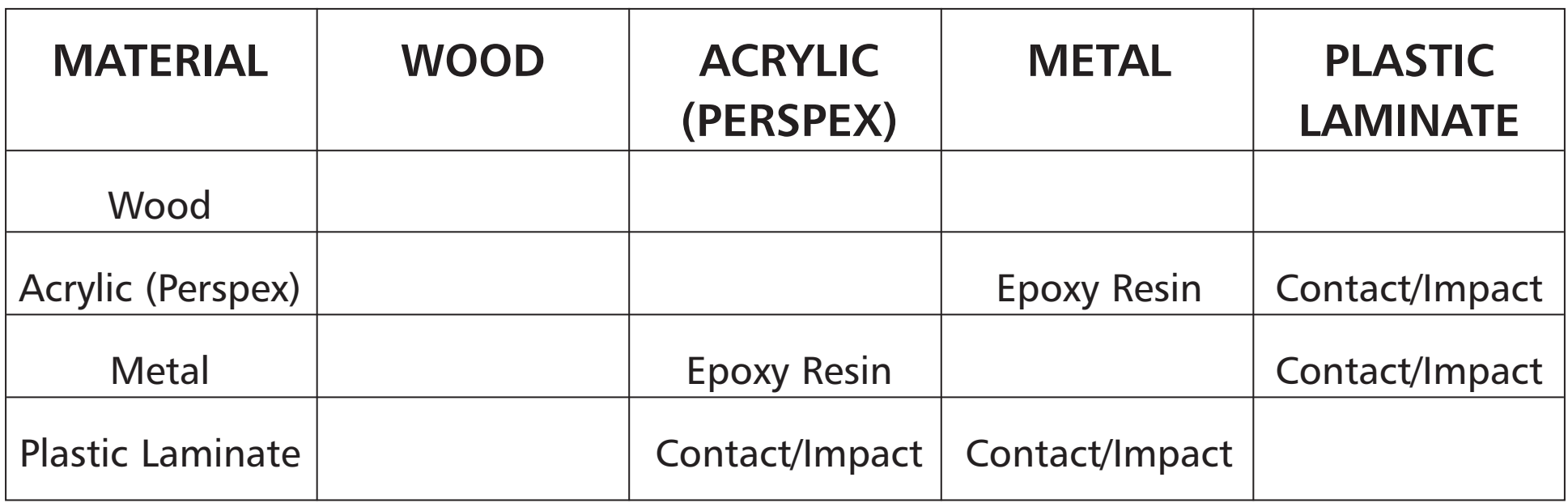
Fixings and fasteners are crucial for securely joining materials, ensuring the product remains stable and functional. Selecting the appropriate fixing or fastener is essential as it impacts the product's strength and usefulness. It is important to choose materials that are compatible with each other.
Definitions
- Fixings: Components that hold objects steady.
- Fasteners: Devices such as bolts and screws used for connecting items.
- Screws: Threaded devices primarily used for wood and plastic.
- Bolts: Metal connectors typically used with a nut.
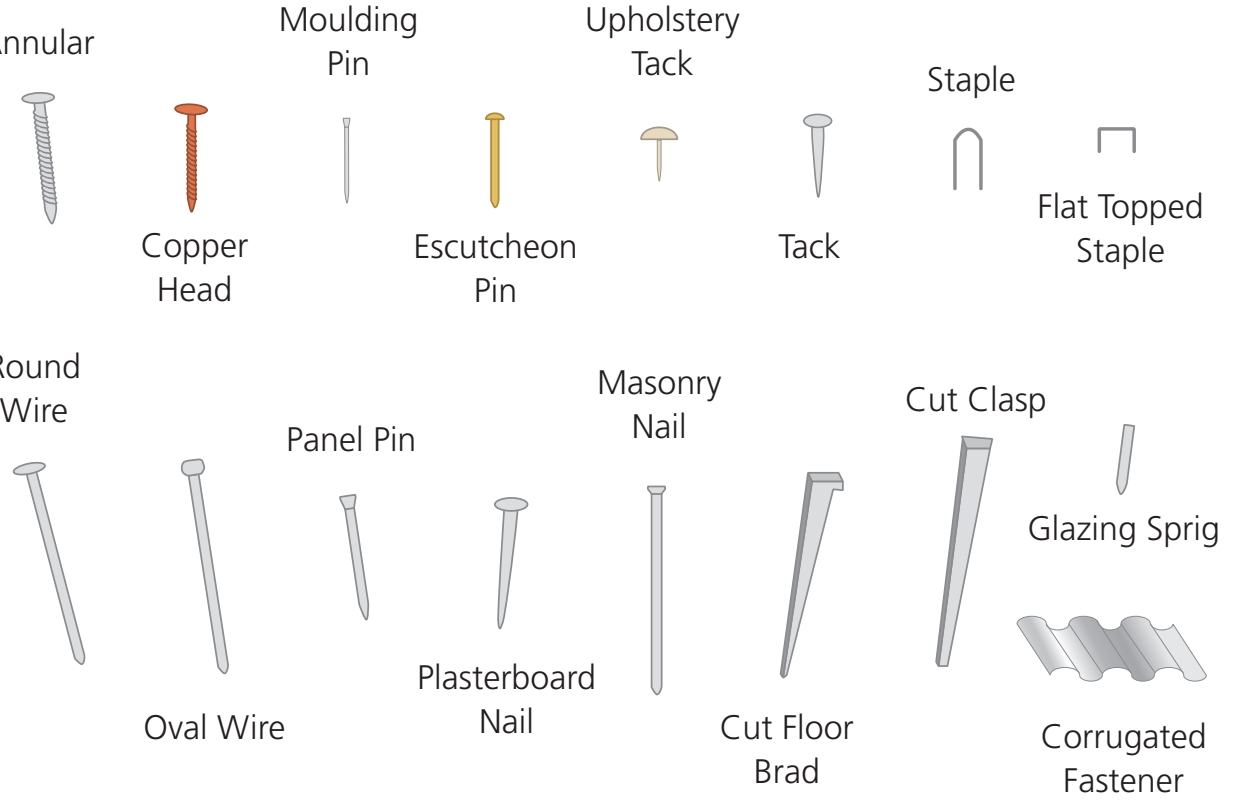
- Nails: Inserted into wood through force to join pieces.
- Adhesives: Substances used for bonding surfaces together.
Types of Fixings and Fasteners
- Screws:
- Include types like wood and machine screws.
- Popular heads include flat and Phillips, with Phillips heads helping to prevent slip.
Note
Phillips head screws are advantageous when installing as they reduce the risk of tool slippage.
- Bolts:
- Consist of varieties such as carriage and hex head bolts.
- Hex head bolts provide high torque for challenging tasks.
- Nails:
- Include common, brads, and finishing nails.
- Suitable for quick, lightweight tasks.
- Adhesives:
- Cover options like epoxy and super glue.
- Used for strong, enduring bonds across various materials.
Properties and Applications
Key attributes such as strength, rust resistance, and flexibility are vital for choosing suitable materials for specific tasks.
- Wood Fasteners:
- Screws offer control and adjustments, while nails are suitable for rapid, simpler fixes.
Important
Using nails in wood projects allows faster assembly but might compromise on adjustability compared to screws.
- Metal Fasteners:
- Bolts are designed to resist rust, maintaining their strength, especially in outdoor settings.
- Plastic Fasteners:
- Adhesives like Tensol cement provide effective bonding for plastics such as acrylics.
Importance of Selection
Important
Using the wrong fastener can compromise structural integrity. Humid environments necessitate coatings that resist rust to ensure long-term durability.
Methods of Use
- Tensol Cement:
- Particularly effective with acrylic as it bonds surfaces and dries clear.
- Glue Gun:
- Commonly utilised in crafts; it melts glue sticks for swift and strong connections.
Techniques for Support
- Masking Tape:
- Maintains alignment in detailed woodworking tasks.
- Clamps:
- Essential for stabilising metalwork during the curing process.
Innovative Fastening Solutions
Zip Fasteners:
- Widely used in technology and automotive industries for assembling flexible materials, providing ease of use and accessibility.
Summary
- Defined and explored various types of fixings and fasteners.
- Discussed the importance of correct selection for durability and strength.
- Highlighted effective methods and innovative fastening solutions.