Justifying Decisions (Junior Cert Applied Technology): Revision Notes
📚Revision Notes
Design Decision-Making Criteria
Definitions
- Design Decision: Picking a plan from various options, based on project goals.
- Criteria: Standards used to make a choice.
- Aesthetic: Study of beauty and taste in design.
- Functionality: How well something serves its purpose.
- User Needs: What users or clients require from a design.
Criteria for Design Decisions
-
Common criteria include cost-effectiveness, sustainability, and innovation.
-
These criteria ensure designs are practical, feasible, and meet current needs.
NoteLink to Functionality and Aesthetics:
- Solar panels: Focus on cost and sustainability, ensuring energy efficiency and a nice look for homes.
- Electric Cars: Stress innovation and sustainability, keeping energy efficiency and a stylish design for modern users.
Example Cost-Effectiveness Sustainability Innovation Solar Panels High High Moderate Electric Cars Moderate High High
Role of Research and Evidence
- Research gathers data that shapes design choices.
- Types of evidence:
- Case Studies: Show design success and failures.
- Market Research: Looks at demand and preferences.
- User Feedback: Ensures designs meet user expectations.
Note
For design decisions, it is essential to utilise both functionality and aesthetic criteria to support your overall design goal.
Building Arguments
- Create clear and logical arguments for design choices by:
- Highlighting features that meet user needs.
- Checking how the design meets goals for sustainability and cost.
- Emphasising innovative features that provide an edge.
- Balance functionality and aesthetics to support your overall design goal.
Decision-Making Process
-
Steps involve understanding and aligning with user needs and design details.
- Example: Get feedback to ensure the design matches user expectations, like style and functional needs such as ease of use.
-
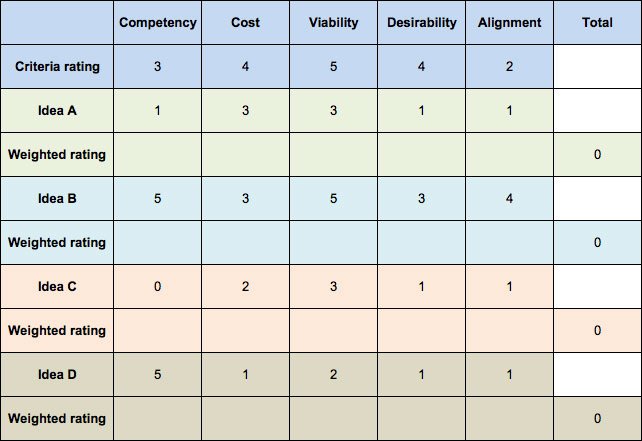
Use tools like decision matrices or SWOT analysis to organise this.
Summary
Note
- Design decisions depend on criteria of functionality and aesthetics.
- Research and evidence support these choices.
- Logical reasoning and structured tools align design with user needs.