Prototyping (Junior Cert Applied Technology): Revision Notes
📚Revision Notes
Prototyping
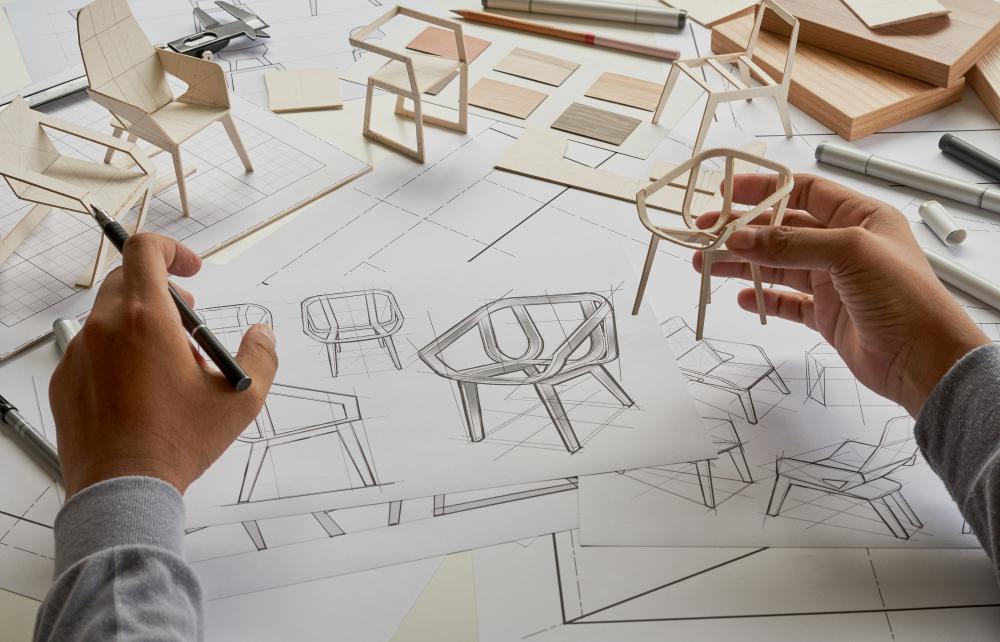
Prototyping is an essential part of design. It turns ideas into reality by making early models. These models help in testing and improving designs.
Definitions
- Prototyping: Making early models to test and refine ideas. Turns ideas into real solutions with examples you can touch.
- Low-fidelity Prototype: Simple and cheap models like sketches or paper drawings. Essential for the beginning of the design process.
- High-fidelity Prototype: Detailed and working models or digital tests. Important for the last stages for evaluation and presentations.
Types of Prototypes
- Low-fidelity Prototypes: Easy and inexpensive to make to test ideas fast. Help with quick changes and creative thinking early on.
- High-fidelity Prototypes: Provide realistic models for final testing. Important for showing to stakeholders and getting detailed input.
Materials and Technology in Prototyping
- Vacuum Forming: Heats a plastic sheet to make it into a shape, producing parts fast and cheap.
- Assembly Processes: Use different ways to connect parts into working models, essential for testing designs.
Iterative Nature of Prototyping
Note
Prototyping is a repeated process. It means constantly improving by testing and getting feedback. This helps find issues early, creating a high-quality product.
Summary
Note
- Prototyping easily links design ideas to real-world tests.
- Knowing the difference between low- and high-fidelity prototypes helps in getting focused feedback at each step.
- Tools like vacuum forming help make effective models quickly.
- Repeated testing makes sure the final product is useful and of high quality.