Project Work (Junior Cert Applied Technology): Revision Notes
📚Revision Notes
Design and Manufacturing Integration
Overview
- Applied Technology uses manufacturing sequences to mix design and production skills. This helps improve problem-solving and design through different methods.
Note
Remember: The integration of design and production skills is crucial for honing problem-solving abilities and refining designs through various methodologies.
Definitions
- Integration of Design Theory and Practice: Using design ideas in real-life by blending creativity with skills to make useful things.
- Material Selection: Choosing materials based on project needs like strength and cost.
- Electronic Circuit Design: Designing and using electronic circuits with software and techniques.
- PCB Wizard: A tool for designing and checking printed circuit boards (PCBs) to help make electronics.
- Solid Works: CAD software for 3D modelling and simulation to improve design accuracy.
- Mould Making: Crafting moulds for shaping materials, especially in injection moulding.
- Project Management: Planning, organising, and managing resources to achieve project goals efficiently.
- Workshop Safety: Following safety practices and rules to keep the workplace safe.
Integration of Design Theory and Practice
- Applying design theory in real work involves using ideas in practice. It's more about hard work than sudden brilliance.Key function: This includes steps like Material Selection to ensure appropriate choices.
- Key steps include:
- Material Selection: Pick the best materials for the task.
- Marking Out: Measure precisely with tools.
- Fitting Skills: Assemble parts correctly.
- Assembly & Joining Processes: Connect components securely.

Material Selection and Processes
- Choose materials by checking their properties and how they fit the use.
Important
Essential for successful projects: Accurate Material Selection tailored to the task's requirements.
- Precision strategies include:
Note
Pictures and diagrams are effective tools for understanding measurement and assembly processes.
- Marking Out: Measure layouts accurately.
- Fitting Skills: Make sure assembly is smooth.
Electronic Circuit Design Practice
- Best practices include making design changes, testing, and checking before use.Research has found that such practices reduce errors and improve reliability.
- Use tools like PCB Wizard for design and testing.
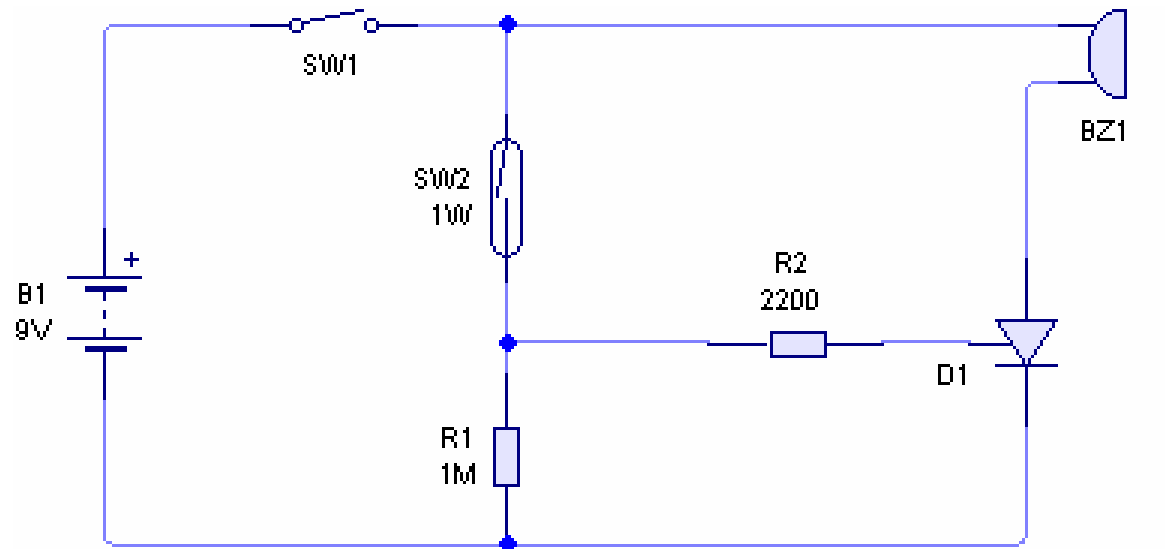
Usage of PCB Wizard & Solid Works
- PCB Wizard: Helps design PCBs and find mistakes.
- Solid Works: Provides 3D modelling to understand design limits.
Note
According to industry standards, these tools significantly enhance design and production quality.
- These tools help create better project outcomes.
Mould Making Theory and Finishing Processes
- Mould making shapes materials, using strong metal moulds for injection processes.
- Finishing, like polishing and painting, improves looks and function.Studies show that finishing processes are pivotal in determining the product's market acceptance.
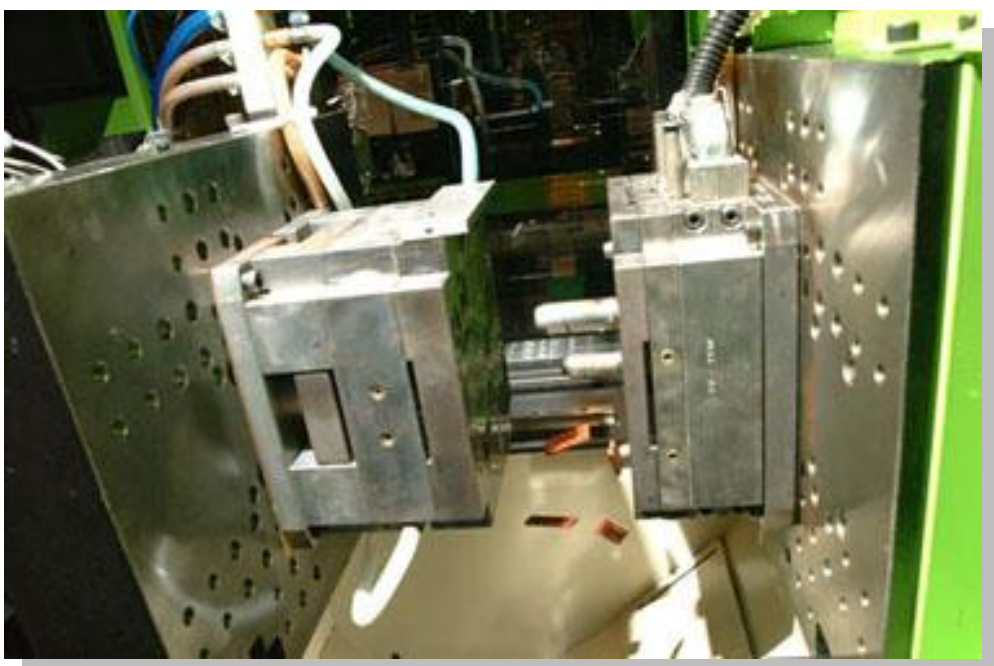
Importance of Project Management and Workshop Safety
- Good project management involves planning, time use, and resource management.
Important
Critical Information: Adhering to safety rules is non-negotiable for maintaining a secure working environment.
- Safety rules include wearing protective gear and following guidelines.
Summary
Note
-
Combining design and practice is key for successful manufacturing.
-
Summary Insight: Efficient design and production demand coordinated planning and effort, reducing error likelihood and improving end results.
-
Electronic circuit design is important for effective projects, using tools to avoid errors.
-
Proper project management makes manufacturing smooth.
-
Efficient design comes from careful planning and effort.