Working Drawings (Junior Cert Applied Technology): Revision Notes
📚Revision Notes
Working Drawings
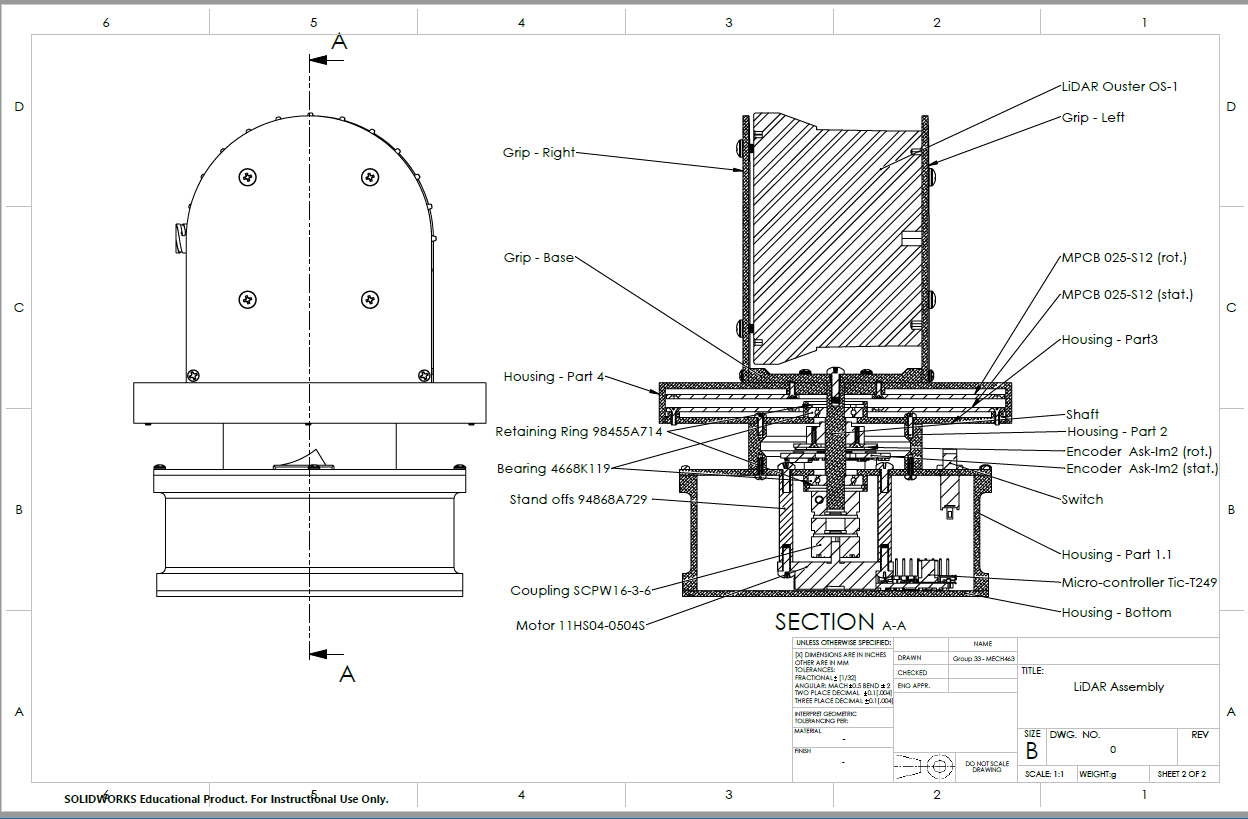
Working drawings are key technical documents used in construction and manufacturing. They ensure designs are clear and precise. These drawings help engineers and builders share ideas effectively so projects are done right from the beginning to the end.
Note
Note: Working drawings ensure designs are clear and precise, facilitating effective communication among all parties involved in a project.
Definitions
- Working Drawings: These are detailed drawings that show construction details. They are crucial tools for communication among architects, engineers, and builders. Their detail prevents errors and helps everyone work together smoothly, guiding projects from start to finish.
Components of Working Drawings
- Plans: Include floor plans and layouts, showing a top view. They display how elements are placed within a space.
- Sections: Vertical cuts through structures showing interior parts, giving a full view of a building's layout.
- Elevations: Display views of the outside like the front, back, and sides, helping visualise the building's exterior.
- Detail Drawings: Focus on specific parts to give a clearer understanding, ensuring accurate construction of complex components.
Note
Note: Detail drawings are essential to ensure complex components are accurately constructed.
Standards and Conventions
- Scale: Allows large structures to be represented on paper accurately.
- Dimensioning: Provides measurement guidelines to reduce mistakes.
- Tolerances: Allow small changes in dimensions during production to make sure parts fit together correctly.
Important
Important: Adhering to standards like ISO or ANSI is crucial to ensure designs adhere to global practices.
Guidelines for Creation
- Manual Drafting Methods: Use tools like drafting boards and T-squares, focusing on clarity and precision.
- Digital Tools: Use software like CAD for easy changes and storage.
Importance of Annotations and Specifications
- Annotations are essential for communication, and specifications detail materials and processes to make sure projects meet all requirements. These include lists of materials, finishes, and other construction details, supporting quality control.

Real-life Examples
- Construction Projects: In construction, working drawings work as blueprints, preventing issues and costly mistakes by providing clear guidance. They also serve as legal documents if there are disputes.
- Manufacturing/Product Development: Guide the assembly of prototypes, ensuring all parts fit and meet the required specifications.
Note
Summary
- Working drawings ensure complex designs are communicated and built right. They include various parts and follow standards to be effective. Both manual and digital tools enhance the drafting process, cutting down errors and ensuring standards are followed.