Elevations and Plans (Junior Cert Applied Technology): Revision Notes
📚Revision Notes
Definitions
- Elevation: A drawing that shows how high a building is. These drawings are important because they show what buildings look like from the outside, helping in design work and deciding if the look is good.
- Plan: A drawing that shows a flat view from above of a building or area. It is crucial for understanding how things are laid out and helps with building and design planning.
Note
Elevations and plans are essential components in architectural design that provide a comprehensive understanding of a building's layout and appearance.
Types of Elevations
- Front Elevation: Shows the front of a building. This is important for the first look and includes the facade and main door.
- Rear Elevation: Shows the back of a building, focusing on areas like service doors and gardens.
- Side Elevations: Show the sides of a building, which helps understand the building's depth and light.
Drawing Techniques
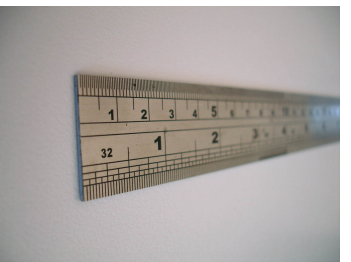
- Scale: Using a fixed number to make a drawing smaller or bigger, which helps keep everything the right size in drawings.
- Dimensioning: Measuring and marking sizes to ensure everything is drawn accurately.
- Preparation Process: This involves using grids to keep things balanced and digital tools like CAD software for exact detail.
Important
Getting the scale and dimensions right is critical for maintaining accuracy in drawings.
Integration with Other Views
- Sections: Show the inside parts of a building and connect elevations and plans by showing hidden details.
- Integration: Elevations and plans work together with sections to give a full view, helping to find issues and offer a complete picture.
Application Examples
- Residential Building Project: Elevations help show how the outside of a house will look, making sure it fits in the neighbourhood. Plans show how rooms are used inside.
- Commercial Project: Using elevations smartly helps design the outer look to build brand identity. Plans help arrange space inside for better work processes.
Assessment Criteria
- Precision: Ensuring drawings are at the right scale and measurements are accurate.
- Clarity: Making sure drawings are clear and notes are accurate so that they are easy to understand.
- Design Specifications: Checking if drawings follow the required functional and visual guidelines, making sure they fit with the original design.
Note
Ensuring precision, clarity, and adherence to design specifications is vital for successful project outcomes.
Summary
- Key Definitions: Meanings of Elevations and Plans.
- Types to Know: Uses of Front, Rear, Side Elevations.
- Mastering Techniques: Learning about scales, dimensioning, and drawing preparation.
- View Integration: How Plans, Elevations, and Sections work together for a full design picture.
- Application Examples: Their use in Residential and Commercial Projects.
- Assessment Focus: Making sure of Precision, Clarity, and following Design Specifications.