Sustainability (Junior Cert Applied Technology): Revision Notes
📚Revision Notes
Technology and Waste Reduction
Reducing waste is critical for a sustainable society. It protects the environment and saves resources. Technology plays a key role by introducing new waste management methods and turning waste into useful materials.
Definitions
- Waste Reduction: Decreasing waste by using technology in design, production, and recycling, especially for tech products.
- Electronic Waste (E-Waste): Used electronic devices like computers and phones that need special recycling due to their harmful materials.
- Lifecycle Management: Managing each stage of a product's life—from creation to disposal—to cut waste and reduce impact, focusing on tech products.
Role of Technology in Waste Reduction
Technology cuts waste by using innovative materials and methods:
- AI systems improve e-waste sorting for recycling.
- Design software helps make products more recyclable and repairable.
Important
Significance of Recycling Electronic Waste
Recycling e-waste is key as it recovers valuable materials and lessens harm:
- It cuts the need for raw materials and reduces landfill waste.
- It's challenging due to complex recycling processes and low material recovery rates.
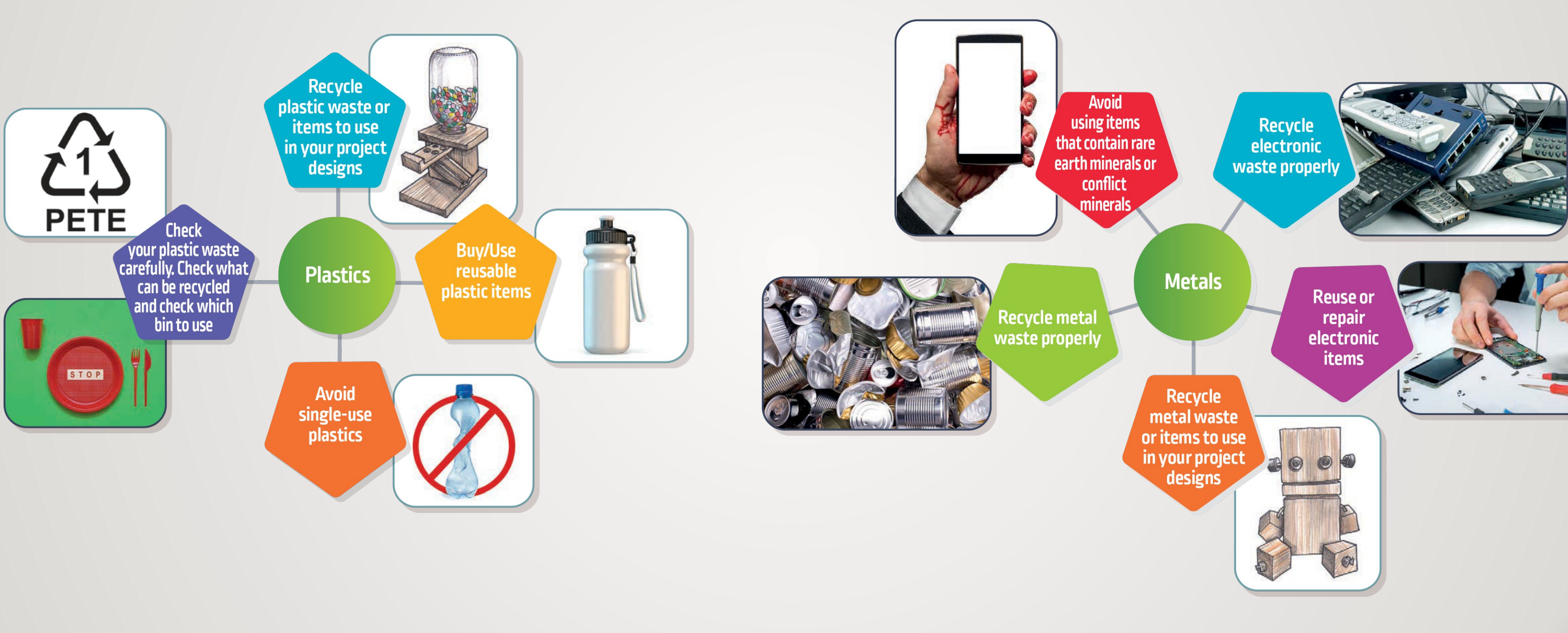
Methods and Innovations in Reducing Waste
Efforts focus on both production and consumer waste:
- Biodegradable Plastics: More used in tech packaging to reduce landfill waste.
- Carbon Capture: Turns emissions into resources, aiding cleaner tech production.
- Material Reuse: Encourages new ways to reuse waste materials.
| Method/Innovation | Pros | Cons |
|---|---|---|
| Biodegradable Plastics | Reduce landfill waste | Higher production costs |
| Carbon Capture | Lowers carbon emissions | Requires large investments |
| Reuse of Materials | Cuts need for new resources | Needs new processes |
Examples of Technology Companies or Initiatives
- Apple's Recycling Programme: Recovers materials from old devices, promoting re-use.
- Google's Renewable Energy: Saves energy using recycled water for data centres.
- Intel's Circular Economy: Focuses on managing tech components to minimise waste.
Note
Lifecycle Management in Product Design
Lifecycle management reduces waste by optimising design:
- Supports making durable, repairable products to maximise resource use.
- Minimises environmental harm by applying sustainable practices at each product stage.
Note
Summary
- Technology addresses waste by advancing recycling and production methods.
- Recycling of e-waste is crucial due to its environmental benefits and challenges.
- Innovations in both making and using products reduce overall waste, especially in tech.
- Leading tech companies are implementing sustainable waste reduction programmes.
- Lifecycle management is vital to minimise environmental impact and ensure sustainability.