Eco-friendly Design (Junior Cert Applied Technology): Revision Notes
📚Revision Notes
Eco-friendly Design
Eco-friendly design is important in technology as it helps sustainability and lowers environmental damage. Technological products can reduce their ecological footprints by using eco-friendly solutions.
Definitions
These key ideas are crucial for eco-friendly design:
- Eco-friendly Design: Creating technology with minimal environmental impact by using resources sustainably.
- Sustainability: Making products that meet current needs without depleting resources for future generations.
- Moral Issues in Design: Ensuring technology doesn't harm people or the environment through ethical practices.
- Consumer Awareness: Knowing how purchasing decisions affect the environment, leading to a move towards sustainable products.
Principles of Eco-friendly Design
These principles are crucial:
- Resource Efficiency: Wisely using materials and energy to reduce waste.
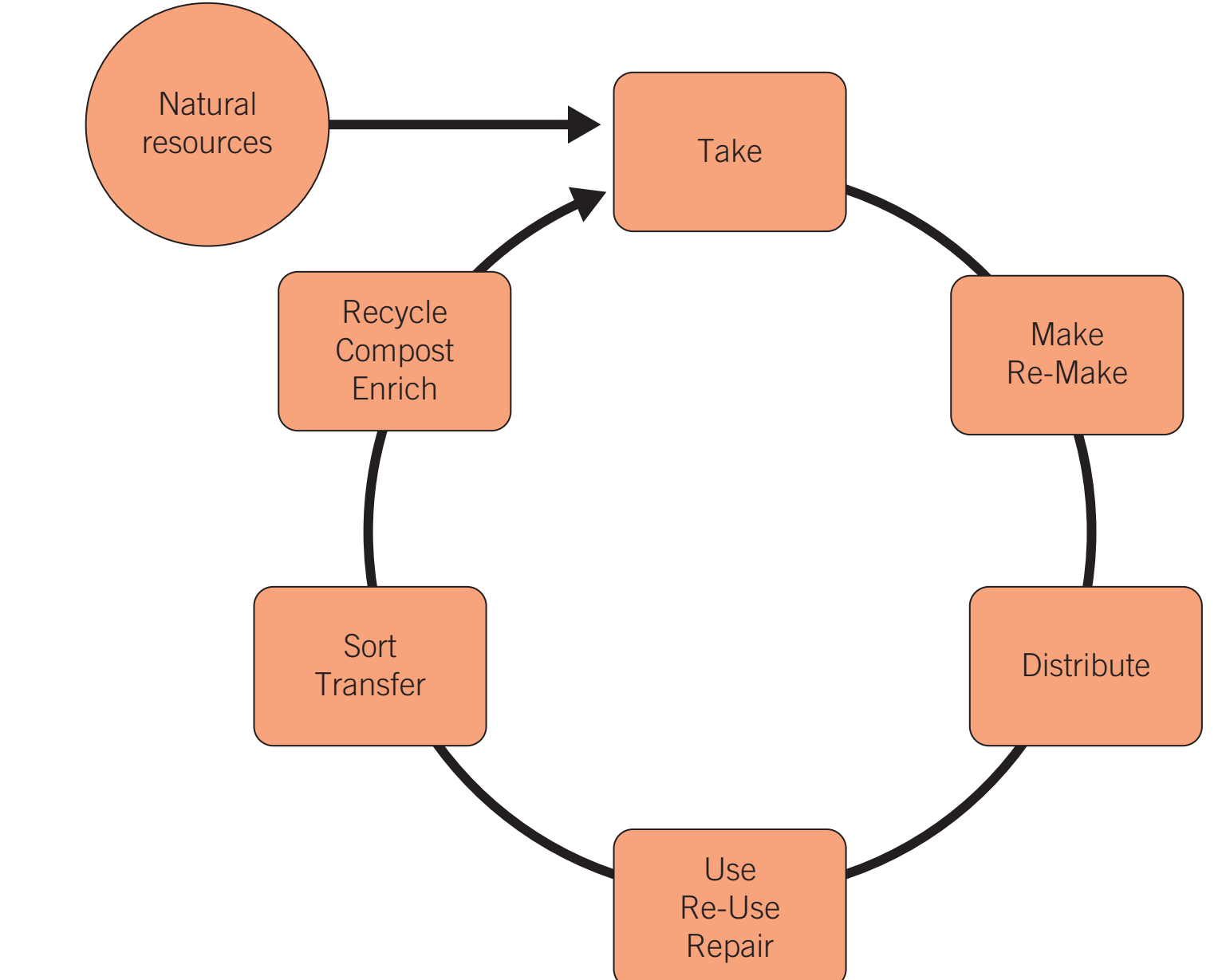
- Lifecycle Thinking: Keeping sustainability in mind throughout a product's life, such as designing smartphones for easy part replacement.
- Renewable Materials: Using materials that replenish naturally, like bamboo or recycled metals.
- Minimal Waste: Creating durable, reusable, and recyclable products.
Important
Environmental and moral considerations are essential in eco-friendly design.
- Environmental Protection: Protecting natural resources and ecosystems.
- Ethical Responsibility: Ensuring technology doesn't exploit people or resources.
- Enhanced Product Lifespan: Sustainable practices improve product usability.

Examples of Sustainable Technology
- Solar Panels: Use renewable solar energy, reducing fossil fuel dependence.
- Electric Vehicles: Emit fewer pollutants than traditional cars.
- LED Lighting: Delivers long-lasting energy savings.
Guidelines and Strategies for Sustainable Design
- Adopt Renewable Energy: Implement solar or wind power in products.
- Eco-efficient Materials: Select sustainable materials with low environmental impact.
- Design for Reusability: Make products easy to repair or upgrade.
- Prioritise Durability: Focus on long-lasting product design.
Role of Consumer Awareness in Eco-friendly Innovation
Note
Consumer awareness is a key driver for eco-friendly innovation:
- Companies like Apple use more recycled materials because of consumer demand for sustainability.
- Awareness leads to policy changes and environmentally friendly innovations.
Summary
Note
- Emphasises principles like resource efficiency and lifecycle thinking.
- Considering environmental and moral factors is essential in design.
- Technologies such as solar panels showcase eco-friendly design.
- Using renewable energy and creating durable products are part of implementing sustainability.
- Consumer awareness fosters innovation, encouraging eco-friendly products.