Robotics and Automation (Junior Cert Applied Technology): Revision Notes
📚Revision Notes
Robotics
Overview
- Importance of Robots: Robots make work more accurate and safe in factories, hospitals, exploration places (like oceans and space), and homes.
- Role in Industries: They take over tasks that people usually do, making work easier.
Note
Robots play a critical role across multiple domains, enhancing efficiency and safety while mitigating risks.
Definitions
- Manufacturing Industries: Robots work on assembly lines, doing tasks with care and speed.
- Healthcare Robots: Used in operations and patient care for better precision and help during healing.
- Exploration Robots: Used in deep-sea and space to collect data where people can't go.
- Dangerous Area Robotics: Work in risky areas to keep people safe.
- Bomb Disposal Robots: Made to disable bombs safely.
- Home Devices Robots: Like robotic vacuums and other home devices.
Industrial Applications
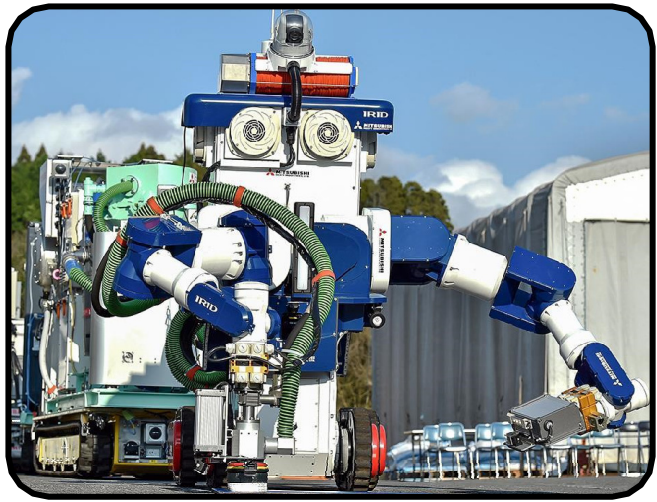
- Manufacturing: Robots make things fast and accurate, especially for making cars.
- Healthcare: Robotic surgery is precise; exoskeletons help with movement and health checks.
- Exploration: Helps gather information from places hard to reach.
- Dangerous Areas: Safely handle dangerous materials.
- Bomb Disposal: Safely takes apart bombs from a distance.
- Home Devices: Robots in vacuum cleaners and other gadgets for daily house tasks.
Advantages
Note
Understanding the advantages of robots can lead to better implementation and integration in various fields.
- Accuracy: Gets tasks done with high precision.
- Safety: Works well in dangerous places.
- Consistency: Repeatedly performs tasks well.
- Remote Control: Operate from a far distance safely.
- Cost-saving: Save money over time compared to hiring workers.
Disadvantages
Important
Be aware of the common pitfalls associated with robots:
- Job Reduction: Might mean fewer jobs for people in manual work.
- Expensive: Cost a lot to set up and maintain.
- Programming Needs: Needs exact setup to work right.
- Harsh Conditions: Some places may affect how well robots work.
Control Systems
- Robots use computers and sensors to get feedback.
- CPU: Main computer part
- CAM: Using computers for designing
- CNC: Computer-guided machines
- CAD: Computer-aided design
- RAM: Temporary memory
- ROM: Permanent memory
Degrees of Freedom
Note
Degrees of freedom define the movement capabilities of robots, influencing complexity and cost.
- How many separate moves a robot can make.
- More moves let robots do complex tasks but cost more.

Power Sources
- Electricity: Main energy source for robots.
- Pneumatics: Uses air for easy tasks.
- Hydraulics: Best for tough tasks like construction.
Global Variation
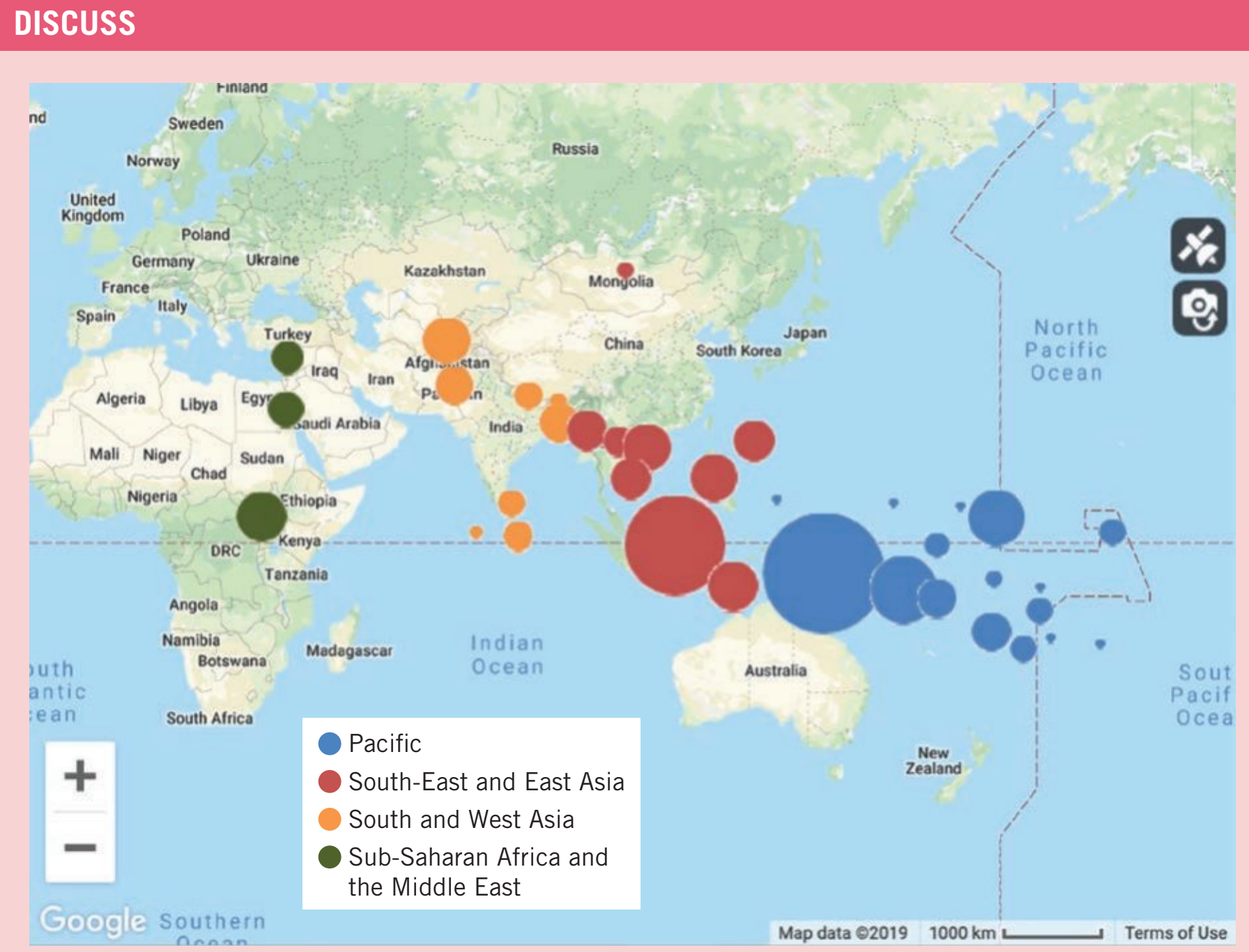
- Robots are common in richer nations due to cost.
Note
Robotics are increasingly accessible as costs decrease, leading to greater use in developing regions.
- Increasing use in poorer regions as they get cheaper.
Summary
Note
- Broad Role: Robots are important in many fields.
- Advantages and Disadvantages: Highlights main benefits and issues.
- Control & Power: Important for robot use.
- Global Spread: Varies by wealth and cost.