Effecting Global Change (Junior Cert CSPE): Revision Notes
📚Revision Notes
Effecting Global Change
Global change happens when individuals, groups, and organisations work together to tackle worldwide problems. Understanding how change occurs helps us become active citizens who can make a real difference in the world.
Note
Global change requires coordination between different levels of society - from individual activists to international institutions - to address complex worldwide challenges effectively.
People and institutions with global power and influence
Individual power: Greta Thunberg
Greta Thunberg is a Swedish climate activist who shows how one person can create worldwide change. In 2018, she began the "Fridays for Future" school strikes, where students skip school to demand action on climate change. Her activism demonstrates the power of youth activism - when young people use their voices to hold governments accountable.
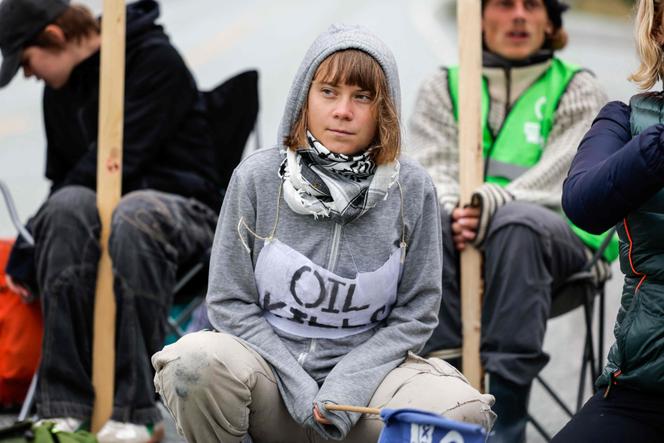
Greta's influence has grown enormously. She has spoken at the United Nations, addressed the European Parliament, and met with world leaders. Her story proves that global awareness can start with just one person who refuses to stay silent about injustice.
Important
Individual activists can create ripple effects that influence millions of people worldwide. Greta's movement spread to over 150 countries, showing how personal conviction can become a global force for change.
Institutional power: The United Nations (UN)
The United Nations is an international organisation that brings countries together to solve global problems. Founded in 1945 after World War II, the UN now includes 193 member states working to promote peace, human rights, and sustainable development.
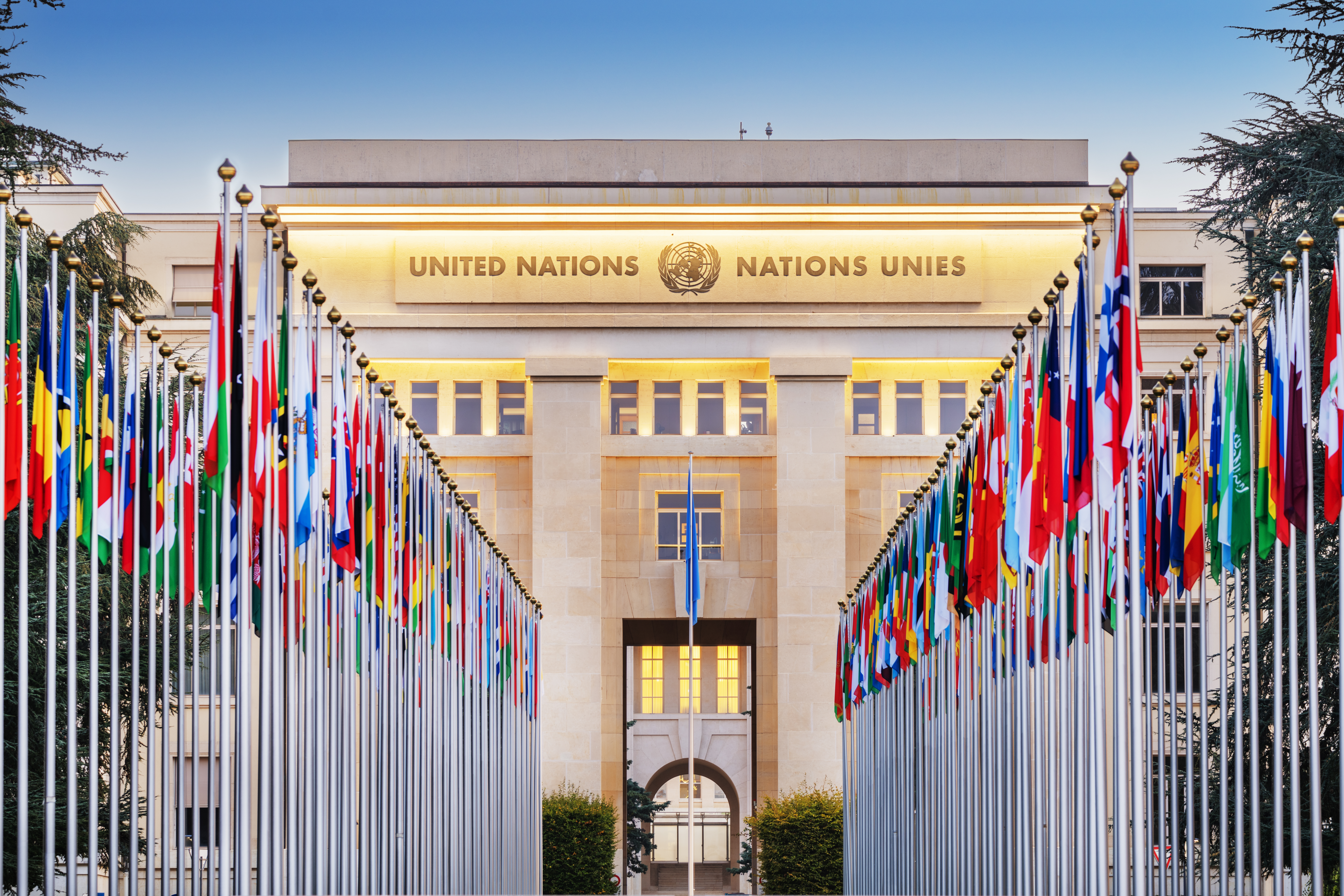
The UN plays a crucial role in setting global goals, such as the Sustainable Development Goals, which aim to end poverty and protect the planet. The organisation also runs peacekeeping missions in conflict zones and coordinates international responses to crises.
One of the UN's most important functions is organising UN Climate Change Conferences (also called COP meetings). These gatherings bring governments together to negotiate actions on climate change.
Note
The UN provides a platform for international cooperation that individual countries cannot achieve alone. Its strength lies in bringing together diverse nations to work towards common goals, even when they have different political systems and economic interests.
Case study: UN Paris Climate Agreement (2015)
Example
Case Study: International Climate Cooperation
The Paris Climate Agreement represents a major success in international cooperation. Nearly 200 countries pledged to limit global warming to below 2°C above pre-industrial levels.
Key Achievement: This agreement shows how institutions like the UN can coordinate global cooperation, even on complex issues where countries have different interests and capabilities.
Significance: The agreement demonstrates that binding international commitments are possible when there is sufficient political will and public pressure.
Analysing a global issue: Climate change
Understanding the causes
Climate change is primarily caused by human activities that release greenhouse gases into the atmosphere. The main causes include:
Burning fossil fuels such as coal, oil, and gas releases carbon dioxide and other greenhouse gases that trap heat in Earth's atmosphere. This happens when we generate electricity, power vehicles, and heat buildings.
Deforestation reduces the Earth's ability to absorb carbon dioxide from the atmosphere. Trees naturally absorb CO2, so cutting down forests means less carbon is removed from the air.
Industrial farming and transport produce methane and other emissions. Large-scale agriculture, especially livestock farming, creates significant greenhouse gas emissions.
Important
Human activities have increased atmospheric CO2 levels by over 40% since pre-industrial times. This unprecedented change is the primary driver of current climate change, making urgent action essential.
Recognising the consequences
The effects of climate change are already visible around the world:
Rising global temperatures lead to extreme weather events like heatwaves, droughts, and floods. These events are becoming more frequent and severe.
Melting ice causes sea levels to rise, which threatens coastal communities worldwide. Many island nations face the risk of being completely submerged.
Biodiversity loss occurs as natural habitats are destroyed by changing climate conditions. Many plant and animal species cannot adapt quickly enough to survive.
Impact on people's lives
Climate change affects people differently depending on where they live and their economic situation:
Small island nations like Tuvalu and the Maldives risk being completely submerged by rising sea levels. Entire populations may need to relocate.
Farmers in Africa and Asia face crop failures and food insecurity as weather patterns become unpredictable and extreme.
In Ireland, heavier rainfall causes flooding in towns like Athlone, disrupting communities and damaging property.
Note
Climate change impacts are unevenly distributed globally. The poorest communities, who have contributed least to greenhouse gas emissions, often face the most severe consequences. This creates issues of climate justice that require international attention.
Exploring possible solutions
Addressing climate change requires action at multiple levels:
Transitioning to renewable energy sources like wind, solar, and hydro power can reduce greenhouse gas emissions from electricity generation.
Reforestation and biodiversity protection help restore natural systems that absorb carbon dioxide from the atmosphere.
International agreements like the Paris Climate Accord create frameworks for countries to work together on climate action.
Personal changes such as reducing waste, eating sustainable diets, and cutting energy use can contribute to the solution when adopted by many people.
Case study: Flooding in Bangladesh
Example
Case Study: Climate Impact on Vulnerable Communities
Bangladesh experiences increasingly severe flooding due to climate change. Millions of people have been displaced, and homes and farmland have been destroyed.
Key Learning: This case study illustrates how the poorest communities, who contribute least to greenhouse gas emissions, are most affected by climate change impacts.
Global Significance: Bangladesh's situation demonstrates the urgent need for both climate adaptation support and international climate justice measures.

How students can contribute to global challenges
Young people have many ways to respond to global issues and create positive change:
In school
Students can organise awareness events, reduce waste, and promote recycling programmes. These actions help educate others and create environmentally friendly habits in the school community.
In the community
Joining local climate or human rights campaigns allows students to connect with like-minded people and amplify their impact through collective action.
Online
Social media can spread awareness about global issues, but it's important to check facts to avoid spreading misinformation. Sharing accurate information helps educate others about important topics.
In everyday life
Making sustainable choices like cycling or walking when possible, supporting Fairtrade products, reducing energy use, and avoiding fast fashion all contribute to positive change.
Note
Student activism is particularly powerful because young people will live with the long-term consequences of today's decisions. This gives their voices moral authority and urgency in global debates about sustainability and social justice.
Case study: Irish schools climate strikes (2019)
Example
Case Study: Youth Climate Movement in Ireland
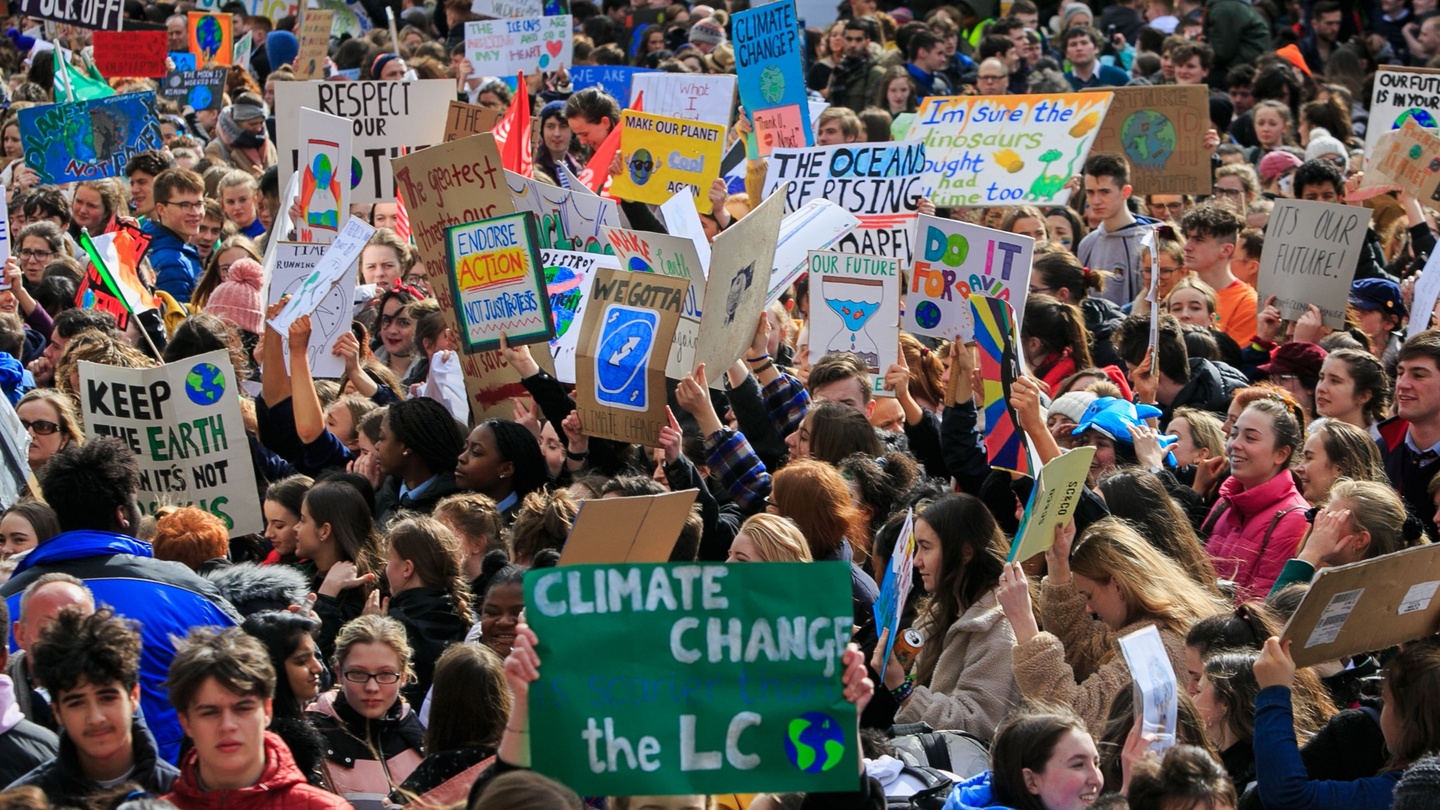
Thousands of students across Ireland joined global protests demanding urgent climate action in 2019.
Impact: This movement showed how young people's voices can influence national debates and media coverage, proving that students can have real political impact when they organise together.
Methods Used: Students used social media coordination, peaceful protest, and media engagement to amplify their message and pressure political leaders.
Campaigns for sustainability: Success and challenges
Example: The ban on single-use plastics in the EU (2021)
The European Union banned several single-use plastic items including plastic cutlery, plates, straws, and cotton buds. The aim was to reduce plastic pollution in oceans and landfills.
Reasons for success
Public awareness about ocean plastic pollution grew through campaigns by NGOs and environmental groups. When people understood the problem, they supported solutions.
EU-wide law ensured all member states acted together, creating a coordinated response across the continent.
Available alternatives such as wood, paper, and reusable items made the transition more practical for consumers and businesses.
Challenges faced
Plastic packaging remains widespread in supermarkets, showing that changing industry practises takes time.
Consumer behaviour is slow to change, as people need time to adjust to new habits and alternatives.
Some industries resist changes due to costs associated with switching to alternative materials.
Important
Successful environmental campaigns require both public support and practical alternatives. Laws alone cannot create change without considering economic realities and consumer behaviour patterns.
Case study: "Break free from plastic" campaign
Example
Case Study: Global Environmental Campaigning
This international movement pressures companies to reduce single-use plastics.
Success: The campaign successfully raised awareness and influenced some corporate policies regarding plastic use.
Limitations: Despite campaign efforts, global plastic production continues to rise, showing the limits of campaigning without stronger laws and regulations.
Key Learning: Effective environmental change requires coordination between grassroots campaigns, corporate responsibility, and government regulation.
Reflexion and ongoing learning
Learning about global change reveals how interconnected our world is - local actions affect global outcomes, and global issues impact local communities.
While individuals may feel powerless facing huge global problems, collective action through climate marches, boycotts, and campaigns creates real pressure on governments and businesses to change.
Reflexion encourages students to consider important questions:
- What global issue do I care about most?
- What small step can I take today to make a difference?
Being an active citizen means staying informed about global issues, questioning injustice when you see it, and taking part in positive change. This might involve voting when you're old enough, supporting ethical businesses, or joining campaigns for causes you believe in.
Note
Developing Critical Thinking About Global Issues
Consider how your daily choices connect to global challenges. Understanding these connections helps develop the critical thinking skills necessary for effective citizenship and meaningful participation in creating positive change.
Note
Exam Tips
- Learn specific examples like Greta Thunberg and the UN Paris Agreement
- Understand the difference between causes and consequences of climate change
- Know practical ways students can contribute to global change
- Be able to explain both successes and challenges in sustainability campaigns
- Practise explaining how local actions connect to global outcomes
Summary
Key Points to Remember:
- Individual activists like Greta Thunberg and international institutions like the United Nations both have significant power to influence global change
- Climate change is caused by human activities but has clear solutions involving renewable energy, international cooperation, and individual action
- Students can contribute to global challenges through school activities, community involvement, online awareness, and everyday sustainable choices
- Sustainability campaigns like the EU plastic ban show both successes and ongoing challenges in creating environmental change
- Active citizenship involves staying informed, questioning injustice, and participating in positive change for a more sustainable and fair world