Local and Global Development (Junior Cert CSPE): Revision Notes
📚Revision Notes
Local and Global Development

Understanding poverty and inequality through real examples
Poverty and inequality impact people differently depending on where they live, but common challenges include struggling to access basic needs like food, education, healthcare, and proper housing. By examining real case studies and personal stories, we can better understand how these issues affect communities both locally in Ireland and globally around the world.
Note
This approach of using real-world examples helps us understand complex global issues by connecting them to actual people and communities. Each case study reveals different aspects of how poverty and inequality affect individuals and shows various approaches to addressing these challenges.
Global case studies
Understanding global development challenges requires examining specific situations where communities face significant obstacles. These examples demonstrate both the complexity of poverty and the various approaches organisations use to create positive change.
Example
Education Challenges in Malawi
The Problem: In Malawi, many children grow up in families living below the poverty line, which means their families don't have enough money to meet basic daily needs. This creates a cycle where education becomes difficult to access because families cannot afford school fees, uniforms, or textbooks that many schools require.
The Solution: Organisations like Irish Aid work to break this cycle by supporting local communities. They help build schools, train teachers, and provide meals for students.
The Impact: This approach shows how international cooperation can make a real difference - when children, especially girls, have better access to education, it helps lift entire communities out of poverty.
The global textile industry provides another important case study showing how international trade can create both opportunities and significant challenges for workers in developing countries.
Example
Worker Inequality in Bangladesh's Garment Industry
The Context: The clothing industry in Bangladesh shows how global trade can sometimes create unfair working conditions. Factory workers often face extremely long working hours, receive very low wages, and work in unsafe environments.
The Turning Point: The Rana Plaza disaster in 2013 became a turning point when a factory building collapsed, killing over 1,100 workers.
The Response: This tragedy sparked worldwide campaigns demanding safer working conditions and fair treatment for garment workers. It demonstrates how global activism and pressure for new safety laws can challenge inequality in international trade.
Local case studies in Ireland
Ireland provides important examples of how inequality can affect specific communities within a developed country, while also showing how advocacy and policy changes can create positive outcomes.
Example
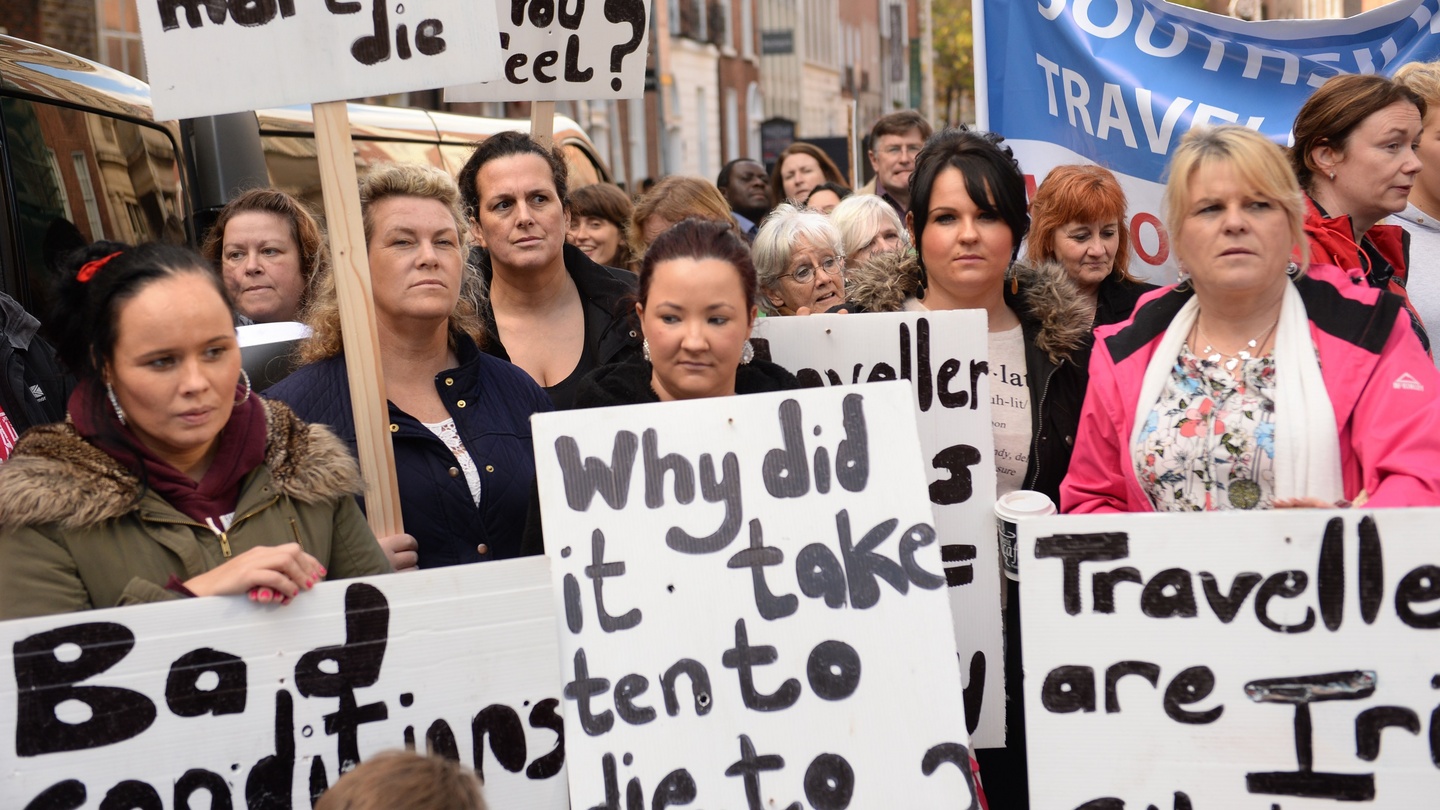
The Traveller Community's Experiences
The Challenges: Ireland's Traveller community faces higher rates of unemployment, shorter life expectancy, and housing discrimination compared to the general population. These challenges show how inequality can affect specific groups within a country.
The Advocacy: However, advocacy groups like Pavee Point work tirelessly to promote equality and cultural recognition for Travellers.
The Achievement: Their efforts achieved a significant milestone in 2017 when the Irish government officially recognised Travellers as an ethnic minority, marking an important step towards greater equality and rights protection.
The housing crisis in Ireland demonstrates how poverty can affect families even in relatively wealthy countries, and how organisations work to provide both immediate support and long-term solutions.
Example
Homelessness Crisis in Ireland
The Reality: Thousands of Irish families currently live in emergency accommodation without permanent homes. This situation affects both adults and children, with individuals sharing personal testimonies about the difficulties of raising families in hotels or hostels.
The Response: Groups like Focus Ireland provide crucial support services while also campaigning for government action to address the housing shortage. These organisations show how local activism can push for policy changes to tackle poverty and inequality.
Root causes of poverty at local and global levels
Understanding why poverty exists helps us work towards better solutions. The causes operate at different levels - some are specific to local areas like Ireland, while others affect countries around the world.
Important
Poverty rarely has a single cause. Instead, multiple factors often work together to create and maintain cycles of disadvantage. Recognising these interconnected causes is essential for developing effective solutions that address root problems rather than just symptoms.
Local causes in Ireland
Several key factors contribute to poverty and inequality within Ireland, often working together to create barriers that prevent individuals and families from achieving economic stability.
Note
Housing Crisis Challenges
Rising rents and a shortage of social housing create major obstacles for many Irish families. When housing costs consume most of a family's income, little money remains for other essential needs like healthcare, education, or savings.
Note
Employment Difficulties
Unemployment or underemployment means some families cannot afford basic necessities even when working. This particularly affects areas where well-paying jobs are scarce or where people lack access to training and education opportunities.
Note
Discrimination Barriers
Minority groups may face unfair treatment that prevents them from accessing jobs, housing, or education on equal terms. This creates additional obstacles that can trap people in cycles of poverty and exclusion.
Note
Limited Access to Services
Rural communities often struggle with limited access to public transport, healthcare facilities, or high-speed internet. These service gaps can make it harder for people to find work, access education, or participate fully in modern society.
Global causes of poverty
At the international level, historical, economic, and environmental factors create conditions that trap entire countries and regions in cycles of poverty and underdevelopment.
Note
Colonial History and Exploitation
Many countries that experienced colonisation were left with weak economies and damaged social structures. Colonial powers often extracted resources and wealth without investing in local development, creating lasting disadvantages that still affect these nations today.
Note
International Debt Burdens
Poor countries frequently owe large amounts of money to richer nations or international organisations. This debt forces them to spend money on loan repayments instead of investing in healthcare, education, and infrastructure that could help their people escape poverty.
Important
Conflict and Warfare
Wars destroy infrastructure, displace populations, and severely limit economic development. Countries experiencing conflict cannot focus resources on addressing poverty when they must deal with immediate security threats and humanitarian crises.
Note
Climate Change Impacts
Environmental changes like droughts, floods, and storms hit poorer regions hardest because they have fewer resources to adapt or recover. These climate impacts reduce crop yields, increase hunger, and force people to migrate, creating new cycles of poverty.
Note
Unfair Trade Practices
International trade systems often benefit large companies while farmers and workers receive very low payments for their products. This inequality in global trade keeps many people trapped in poverty despite working hard to produce goods consumed worldwide.
Effects of development in local communities
Development projects can bring significant changes to local areas, creating both opportunities and challenges for residents. Understanding these different effects helps us plan better development that maximises benefits while minimising harmful impacts.
Important
Development is not automatically positive or negative - its effects depend on how projects are planned, implemented, and managed. The key is ensuring that development benefits existing communities rather than displacing or disadvantaging them.
Positive impacts of local development
Well-planned development can create numerous benefits for communities, improving both economic opportunities and quality of life for residents.
Infrastructure improvements New development often brings better roads, improved transport links, and enhanced public services. These infrastructure upgrades can make daily life easier for residents and attract additional businesses and investment to the area.
Economic opportunities Development projects typically create new jobs and support local business growth. This economic activity can provide employment for local people and generate tax revenue that funds public services like schools and healthcare.
Community facilities Many development projects include new schools, sports centres, parks, or community centres that improve quality of life for residents. These facilities provide spaces for education, recreation, and social interaction that strengthen community bonds.
Housing availability Well-planned housing projects can provide more homes for families, potentially making accommodation more affordable and reducing homelessness in the local area.
Potential negative consequences
However, development can also create challenges that particularly affect existing community members if not carefully managed.
Environmental impacts Development may reduce green spaces, affect local wildlife, and decrease the area's natural beauty. Loss of parks, woodlands, or farmland can impact both the environment and residents' quality of life.
Rising costs and gentrification Successful development can make an area more expensive, potentially forcing existing residents to move elsewhere if they cannot afford higher rents or property prices. This process, called gentrification, can break up established communities.
Increased traffic and pollution More development often means more cars, leading to traffic congestion and air pollution. These problems can particularly affect children's health and make the area less pleasant to live in.
Unequal benefits Not all groups in a community may benefit equally from development. Sometimes the advantages go mainly to newcomers or wealthy residents while existing communities see little improvement in their circumstances.
Case study: Docklands redevelopment, Dublin
Dublin's Docklands area provides a clear example of how development can create both significant benefits and serious challenges for communities.
Example
Dublin Docklands: Mixed Results of Urban Development
Positive Aspects: The transformation included significant regeneration that brought modern offices, jobs in technology and finance sectors, and contemporary housing developments. This converted a declining industrial area into a thriving business district.
Negative Consequences: However, rent prices soared dramatically. Many local residents found themselves priced out of their own neighbourhood, unable to afford the higher housing costs that came with the area's success.
Key Lesson: This created inequality where the benefits of development weren't shared fairly among all community members.

Case study: Wind energy development in rural Ireland
Renewable energy projects demonstrate how even environmentally beneficial development can have complex local impacts.
Example
Wind Energy Projects: Balancing Environmental and Community Needs
Positive Aspects: Include providing clean energy that reduces carbon emissions and creating some local employment opportunities during construction and maintenance.
Community Concerns: Some rural communities have protested against wind farms due to concerns about noise pollution, changes to the landscape's appearance, and insufficient consultation with local residents before projects begin.
Key Lesson: This shows the importance of involving communities in development planning from the early stages.
Summary
Key Points to Remember:
-
Poverty exists locally and globally - from homelessness in Ireland to education challenges in Malawi, showing how inequality affects people everywhere in different ways
-
Root causes are complex - poverty results from multiple factors including housing shortages, unemployment, historical exploitation, debt, conflict, and climate change working together
-
Development brings mixed results - while it can create jobs, improve infrastructure and provide community facilities, it may also cause environmental damage, rising costs, and unequal benefits
-
Case studies provide real insight - examples like the Rana Plaza disaster, Traveller rights recognition, and Dublin's Docklands show how individuals and groups can work to address challenges and create positive change
-
Solutions require action at multiple levels - tackling poverty effectively needs both local action (better housing policy, fair wages) and global action (fair trade, climate justice, debt relief)