Sustainability (Junior Cert CSPE): Revision Notes
📚Revision Notes
Sustainability
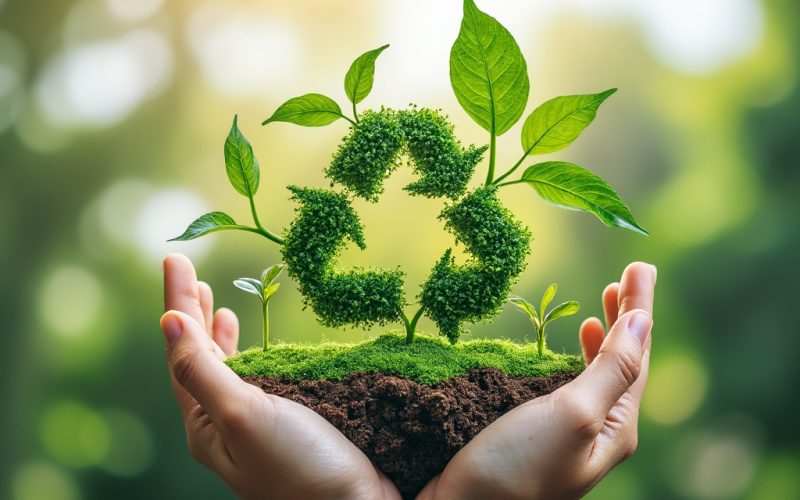
Our connection to ecosystems, people, and places
Understanding sustainability begins with recognising how deeply connected we are to the world around us. As humans, we rely completely on ecosystems like forests, rivers, oceans, and soil to provide us with essential resources including food, clean water, oxygen, and raw materials for building and manufacturing.
Our connections extend far beyond our local environment. Through global trade, technology, and migration, we are linked to people and places across the entire world. This interconnectedness means that decisions made in one part of the world can have significant impacts on communities and environments thousands of miles away.
Note
This global interconnectedness is one of the defining features of our modern world. Understanding these connections is crucial for addressing sustainability challenges, as environmental and social issues in one location often have cascading effects across the globe.
Examples of global interconnectedness
Example
Real-World Examples of Global Interconnectedness
- Amazon rainforest deforestation affects global oxygen levels and displaces Indigenous communities
- Fast fashion purchases in Ireland often depend on workers in countries like Bangladesh or Vietnam
- Carbon emissions from wealthier nations contribute to rising sea levels that threaten small island countries like Tuvalu
Example
Case Study: Irish Beef and Brazilian Rainforest
When Irish consumers purchase beef and soya products, these are often linked to deforestation in Brazil. This demonstrates how our everyday shopping choices connect to global ecosystems and affect human rights, as Indigenous communities lose their land and biodiversity declines.
What is sustainable development?
Development typically refers to improving people's living standards through better housing, healthcare, education, and job opportunities. However, traditional development approaches sometimes cause environmental damage, increase inequality, or consume resources too rapidly.
Sustainable development offers a different approach. It means meeting our current needs whilst ensuring that future generations will also be able to meet their needs.
Key definitions to remember
Note
Important Definitions of Sustainable Development
-
UN Definition (1987): "Development that meets the needs of the present without compromising the ability of future generations to meet their own needs"
-
Irish Aid Definition: "Sustainability means people everywhere can enjoy a good quality of life without damaging the planet"
-
Simple student definition: "Sustainable development means improving people's lives while protecting the environment and making sure resources are shared fairly for the future"
The sustainable development goals (SDGs)
In 2015, the United Nations adopted 17 goals designed to end poverty, fight inequality, and tackle climate change by 2030. Examples include Goal 6 (Clean Water and Sanitation) and Goal 13 (Climate Action). Ireland reports on progress annually, connecting global issues to local policies and actions.
Note
The SDGs represent the world's shared blueprint for peace and prosperity for people and the planet. They recognise that ending poverty and other deprivations must go together with strategies that improve health and education, reduce inequality, and spur economic growth – all while tackling climate change and working to preserve our environment.
Ecological footprint
An ecological footprint measures how much land, water, and resources a person or community uses to support their lifestyle. It's like calculating how much of the Earth's resources you personally consume.
What contributes to your ecological footprint
Note
Major Contributors to Your Ecological Footprint
- Energy use - electricity consumption, heating your home, and transport choices
- Food production - meat-based diets typically require more resources than plant-based diets
- Goods and services - clothes, technology, and other products you buy
Ireland's high consumption
Important
If everyone in the world lived like the average Irish person, we would need three planets to supply all the resources required! This shows that Ireland has a much larger ecological footprint compared to many other countries.
Example
Case Study: Earth Overshoot Day
This is the date each year when humanity has used up more resources than the Earth can regenerate in that year. In 2023, this fell on 2nd August. For Ireland specifically, the overshoot day was even earlier (April), demonstrating our particularly high levels of consumption.
Strategies for sustainability
Different groups in society can take action to promote sustainability. These strategies work at multiple levels, from individual choices to international agreements.
Individual actions
- Reduce energy use - switch off lights, cycle instead of driving short distances
- Avoid waste - follow the 3 Rs (reuse, recycle, buy less plastic)
- Choose sustainable food - buy local produce, eat less red meat
Community initiatives
- Community gardens and allotments help reduce food miles
- Local clean-up campaigns protect biodiversity in your area
- Sharing schemes (like tool libraries) reduce waste and save money
Business responsibility
- Reduce carbon emissions during production processes
- Use renewable energy sources like wind and solar power
- Adopt fair trade practices to ensure workers are treated fairly
Agricultural improvements
- Precision farming uses fertilisers more efficiently
- Organic farming reduces harmful chemical use
- Protecting hedgerows supports biodiversity and wildlife
Government policies
Government action is essential for creating the framework that enables sustainable development across society.
- Environmental laws - Ireland banned single-use plastic cutlery in 2021
- Investing in renewable energy like wind and solar farms
- International agreements such as the Paris Climate Agreement to limit global warming to 1.5°C
Successful policy examples
Example
Worked Example: Ireland's Plastic Bag Levy (2002)
Ireland introduced a charge on plastic shopping bags, which led to a 90% reduction in usage within just one year. This policy was so successful that other countries copied the idea.
Example
Worked Example: Bogland Conservation in Ireland
Peat bogs store carbon and are vital ecosystems. The Irish government has restricted peat cutting and invested in bog restoration to protect biodiversity and help fight climate change.
Summary
Key Points to Remember:
-
Global interconnectedness - Humans are deeply connected to ecosystems and people worldwide, meaning local actions can have global consequences
-
Sustainable development - This approach focuses on improving lives today whilst protecting the planet for future generations
-
Ecological footprint - Ireland's consumption levels are very high, requiring three planets if everyone lived this way
-
Multi-level action - Sustainability strategies exist at individual, community, business, agricultural, and government levels
-
Real-world examples - Case studies like Ireland's plastic bag levy and the UN's Sustainable Development Goals show how practical action can protect both human dignity and the environment