Human Dignity: The Basis for Human Rights (Junior Cert CSPE): Revision Notes
📚Revision Notes
Human Dignity: The Basis for Human Rights
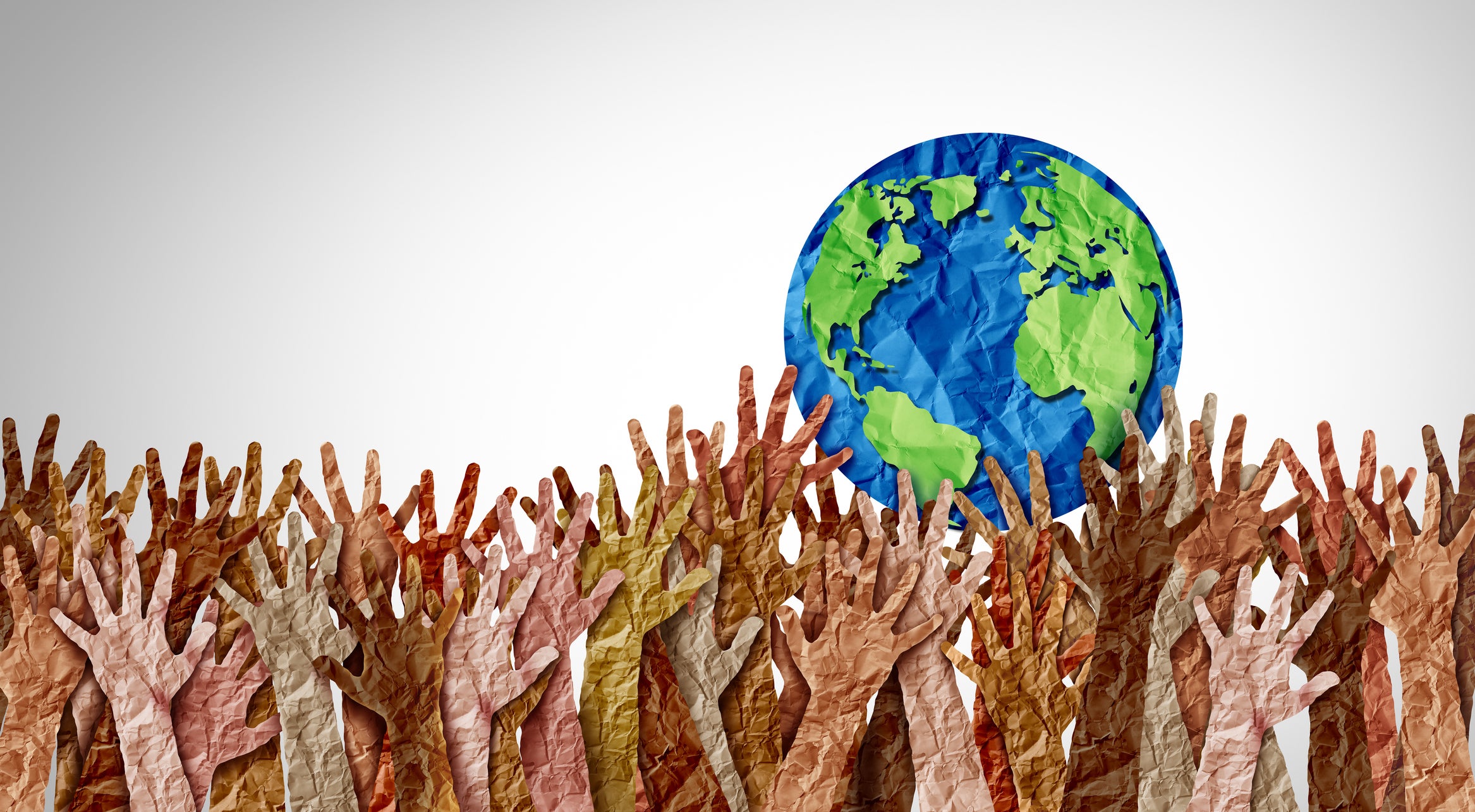
What it means to be human and to live in a community with rights and responsibilities
Understanding human dignity is essential for learning about rights and responsibilities in our communities. Every person has inherent worth and deserves to be treated with respect, no matter their background, wealth, or abilities.
Key concepts
Human dignity refers to recognising the value that every individual possesses. This means treating all people with respect and fairness, regardless of differences in their circumstances or characteristics.
Basic needs are the fundamental requirements people need to live with dignity. These include essentials like food, clean water, clothing, shelter, healthcare, and education. When these needs aren't met, a person's dignity can be undermined.
Note
When we talk about basic needs, we're referring to the minimum requirements that allow someone to live with dignity. These aren't luxuries - they're fundamental human necessities that form the foundation for all other rights and opportunities.
Rights serve as legal and moral protections that safeguard our dignity. Important examples include:
- Right to life
- Right to education
- Right to equality
Responsibilities are the duties each of us has towards others and our community. These ensure that everyone can enjoy their rights properly.
How rights and responsibilities work together
Strong communities function best when people both respect each other's rights and take responsibility for their actions. This creates a balanced system where everyone can thrive.
Important
Rights and responsibilities are two sides of the same coin. Without people taking responsibility to respect others' rights, the whole system of human dignity breaks down. Every right you have depends on others fulfilling their responsibility to respect it.
Real-world examples
Example
Practical Applications: Rights and Responsibilities in Action
In schools: Students have the right to learn in a safe classroom environment. They also have the responsibility not to bully others or disrupt learning.
In communities: People have the right to live in safe neighbourhoods. Citizens have the responsibility to follow laws and respect public spaces.
Globally: Refugees have the right to seek safety from danger. Other countries have the responsibility to offer protection and fair treatment.
When dignity is not respected
Unfortunately, there are many situations around the world where human dignity is not respected. Understanding these examples helps us recognise when rights are being violated.
Examples of dignity violations
Child labour: When children are forced to carry bricks at construction sites instead of attending school, this shows a denial of their right to education and childhood.
Homelessness: Families sleeping rough on city streets highlights how the right to adequate housing is not being met.
Discrimination: When someone is denied employment because of their race, religion, gender, or disability, this illustrates a violation of equality rights.
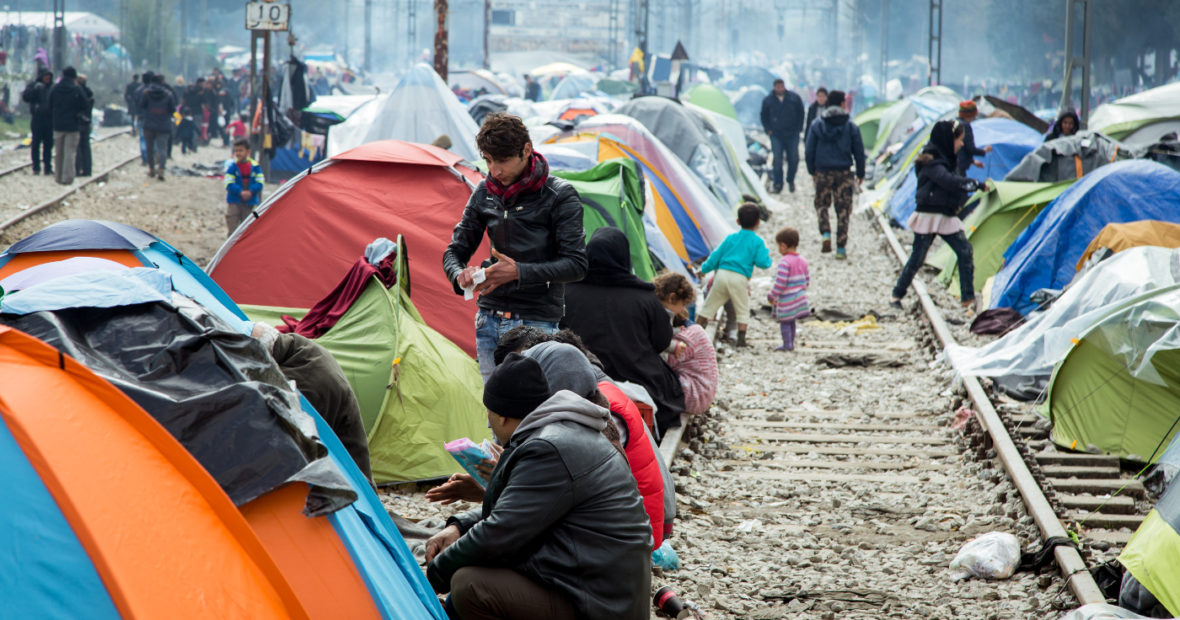
Refugee crises: People living in overcrowded camps without clean water or healthcare face denial of their basic needs and safety.
Important
These violations of human dignity don't just harm individuals - they weaken entire communities and societies. When we fail to protect the dignity of some people, we undermine the principles that protect all of us.
Creating awareness
Visual representations like posters or infographics can powerfully show these contrasts. You might create a poster showing two sides - one displaying dignity respected (such as a child in a classroom or family in a safe home) and the other showing dignity denied.
Maslow's hierarchy of needs and human rights
Psychologist Abraham Maslow created a pyramid model that shows how human needs build upon each other. This hierarchy helps us understand why meeting basic needs first is crucial for achieving higher-level rights.
The five levels of needs
1. Basic physiological needs: These include food, water, warmth, and rest. These connect directly to the right to life and an adequate standard of living.
2. Safety needs: Personal security, healthcare, housing, and protection from danger. These link to rights around health, housing, and safety.
3. Love and belonging: Friendship, family relationships, and community connections. These relate to the right to family life and participation in community and culture.
4. Esteem needs: Respect, recognition, and self-worth. These connect to rights around equality, dignity, and fair treatment.
5. Self-actualisation: Fulfilling one's potential through creativity, education, and freedom. These link to freedom of thought, speech, and the right to education.
Example
Understanding the Hierarchy: A Step-by-Step View
Think of Maslow's hierarchy like building a house:
- Foundation (Level 1): Basic needs like food and water - without these, nothing else is possible
- Structure (Level 2): Safety and security - the walls that protect everything inside
- Community (Level 3): Relationships and belonging - what makes the house a home
- Recognition (Level 4): Respect and achievement - the windows that let in light
- Fulfillment (Level 5): Reaching your potential - the roof that completes everything
Why this hierarchy matters
When someone's basic needs like food and water aren't met, their other rights (such as education or self-expression) become much harder to achieve. This explains why protecting human rights means ensuring people can move up this hierarchy and live full, dignified lives.
Note
This hierarchy helps explain why addressing poverty and basic needs is so crucial for human rights. It's not just about being kind - it's about creating the conditions where people can access all their rights and reach their full potential.
Inequalities in resources locally and globally
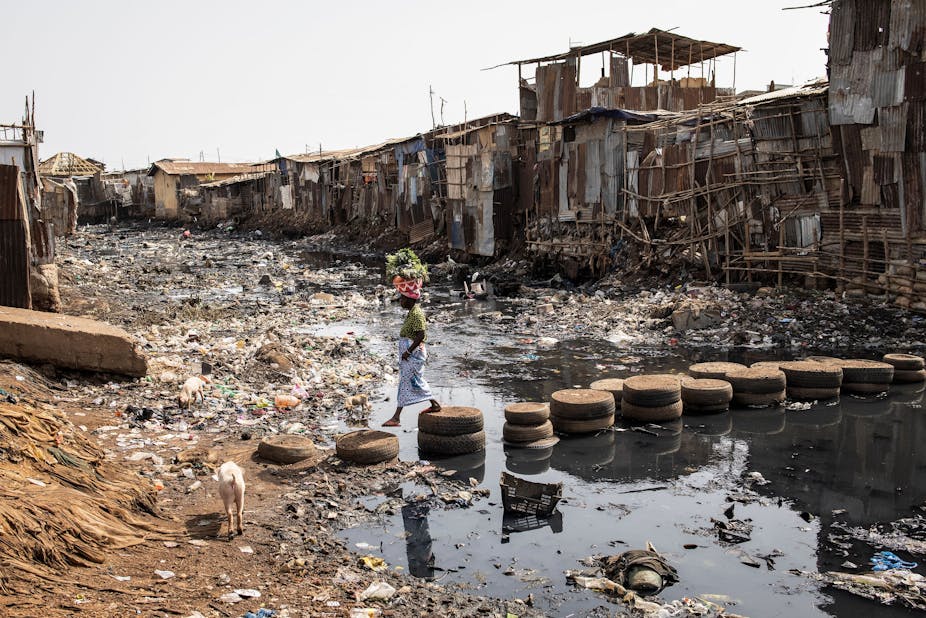
Resources such as food, water, healthcare, and education are not shared equally around the world. This creates significant challenges for human dignity and rights.
Global patterns of inequality
Extreme poverty: Nearly 1 in 10 people worldwide survive on less than $2.15 per day, struggling to meet their most basic needs.
Water access: Approximately 2 billion people lack safe drinking water at home, affecting their health and dignity.
Education gaps: Over 244 million children and teenagers are out of school globally, with the highest numbers in sub-Saharan Africa and South Asia.
Digital divide: While wealthy countries have almost universal internet access, only a small minority in poorer countries can get online.
Local patterns of inequality in Ireland
Housing crisis: Homelessness remains a major challenge, with thousands of people, including children, living in emergency accommodation.
Rural disadvantage: Some rural communities have limited access to healthcare, public transport, or digital services compared to urban centres.
Income inequality: Even in a relatively wealthy country, some households struggle to afford heating, food, or school expenses.
Example
Case Study Comparison: Global vs Local Challenges
Global example: In South Sudan, many children spend hours daily collecting dirty water instead of attending school. This violates their dignity and denies their rights to education and health.
Local example: In Ireland, organisations like Focus Ireland work to protect the dignity of homeless families by advocating for the right to adequate housing.
Both situations show how unmet basic needs prevent people from accessing other fundamental rights.
Summary
Key Points to Remember:
-
Human dignity means recognising the worth and value of every person, regardless of their circumstances.
-
Communities thrive when there's a proper balance of rights (like education, equality, safety) and responsibilities (respecting others, following rules, helping those in need).
-
Maslow's hierarchy shows us that without meeting basic needs like food and safety, it's much harder for people to achieve higher-level rights like education and self-expression.
-
Inequalities exist both locally (homelessness in Ireland) and globally (poverty, lack of education, unsafe water) that prevent people from living with full dignity.
-
Protecting dignity and rights allows all people to reach their full potential and creates fairer, stronger societies for everyone.