New & Smart Materials (Junior Cert Engineering): Revision Notes
📚Revision Notes
New & Smart Materials
Introduction
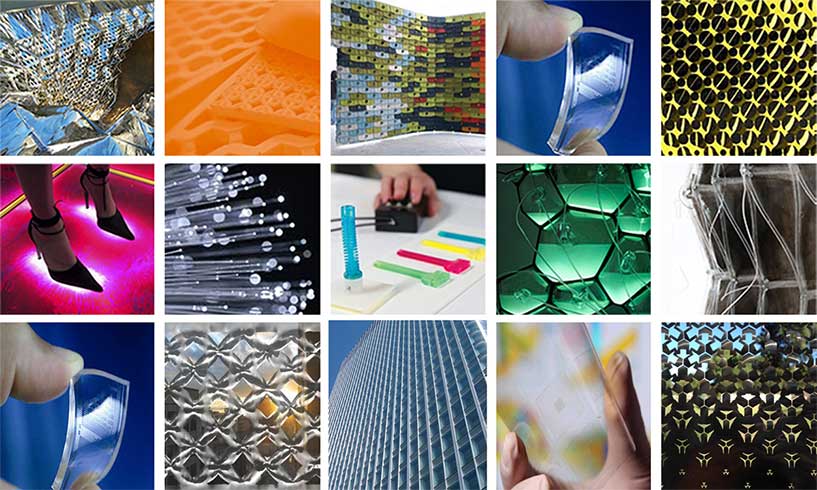
Modern engineering is constantly developing materials with new or improved properties. These advanced materials create exciting possibilities in product design and allow engineers to improve existing products like cars, radios, and mobile phones. They also provide solutions to problems where none previously existed, particularly in medical devices such as prostheses and stents.
Note
The development of new and smart materials represents one of the most significant advances in modern engineering, opening up possibilities that were previously impossible with traditional materials.
New materials
New materials are specially developed substances that offer superior properties compared to traditional materials. They often provide better strength, lighter weight, or improved durability.
Kevlar
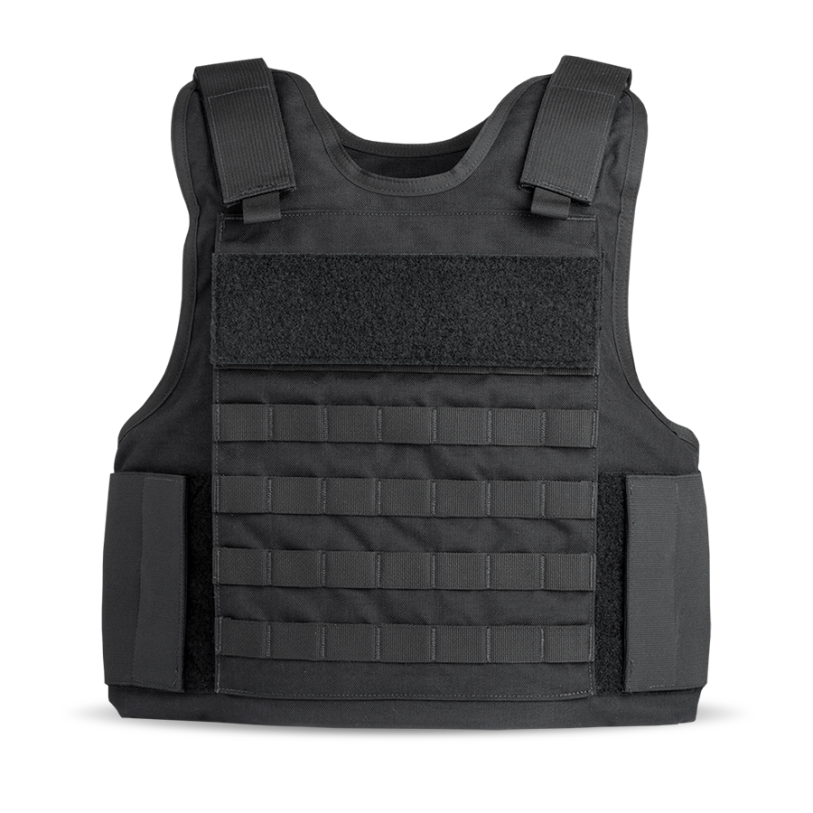
Kevlar is a remarkable strong plastic material that has revolutionised protective equipment. Despite being lightweight, it has a tensile strength five times greater than steel when comparing weight for weight. This exceptional strength-to-weight ratio makes it perfect for creating bulletproof vests, racing car parts, and fire-fighting protective wear.
Note
The material's unique properties allow it to absorb and distribute impact energy effectively, making it an essential component in personal protection equipment.
Carbon fibre
Carbon fibre is created by combining carbon fibres with epoxy resin to produce a material with exceptionally high tensile strength. The resulting composite material is both very strong and quite light, making it ideal for applications where weight reduction is crucial without sacrificing strength.

Example
Common Applications of Carbon Fibre:
Carbon fibre's unique properties make it invaluable across multiple industries:
- Aircraft parts and components
- Helicopter rotor blades
- Racing car body parts
- High-quality bicycle frames
- Modern tennis racquets
- Prosthetic limbs for athletes
Polymorph
Polymorph is a fascinating tough, low melting-point thermoplastic available in granular form. What makes it special is that it can be easily shaped by hand when heated to just 62°C. You can achieve this temperature using hot water or even a hairdryer, making it very accessible for prototyping and small-scale manufacturing.
Important
Safety tip: Always take care not to burn your hands when working with heated polymorph.
Polymorph is widely used in medical applications for creating custom splints, prototyping new designs, and manufacturing ergonomic handles of various shapes. Its low melting point and reusability make it perfect for creating custom-fitted items.
Smart materials
Smart materials are truly intelligent substances that react and respond to external conditions such as temperature changes, light levels, pressure variations, or electric current. This responsiveness makes them incredibly useful in applications where automatic adaptation is needed.
Shape-memory alloys
Shape-memory alloys are a fascinating collection of metal alloys with a unique property: if they become deformed, they will return to their original shape when heat is applied. A common example is Nitinol, which is an alloy made from nickel and titanium.
Example
Key Applications of Shape-Memory Alloys:
- Shape-memory spectacle frames: If they become bent, they return to their original shape when gently heated
- Wire braces for dental work: These apply gentle pressure over long periods as they reach body temperature

Note
Anti-scalding valves: These can be fitted to water taps and shower units, automatically turning off the water when it reaches dangerous temperatures, providing an excellent safety feature for homes and public facilities.
Thermochromic materials
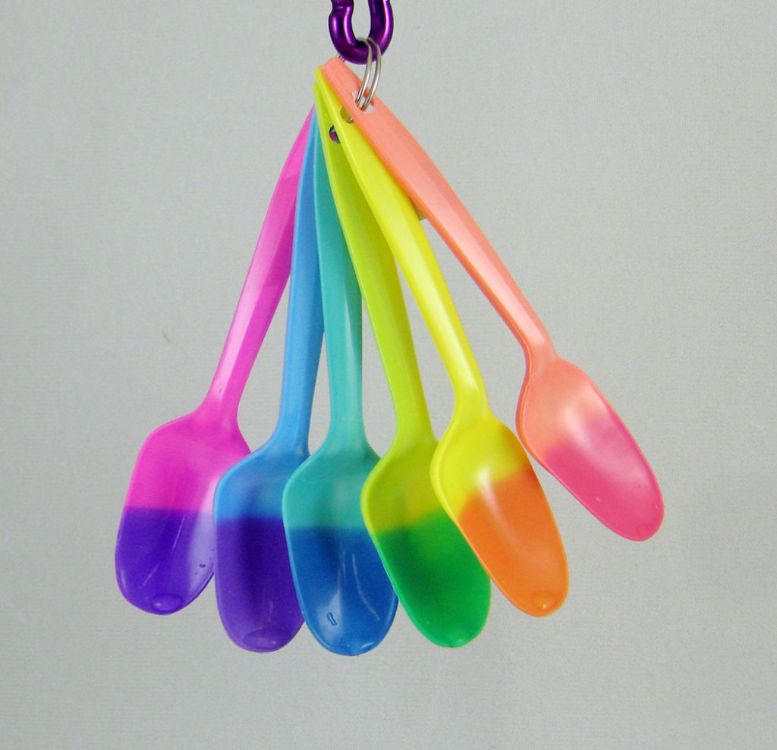
Thermochromic materials change colour as their temperature changes, providing a visual indication of heat levels. This colour-changing property makes them extremely useful for safety and convenience applications.
Example
Common Uses of Thermochromic Materials:
- Kettles that change colour: These provide a clear visual indication when the water is boiling
- Baby spoons: These change colour to indicate the temperature of food, helping prevent burns
- Contact thermometers: These indicate body temperature through colour changes, providing a non-invasive way to monitor health
Photochromic materials
Photochromic materials change colour in response to changes in light levels, particularly ultraviolet light. This automatic adaptation to lighting conditions makes them perfect for protective applications.
Example
Important Applications of Photochromic Materials:
- Welding shields: These automatically darken when exposed to the bright light from welding arcs, protecting the welder's eyes
- Reactive lenses for spectacles: These become darker as light levels increase, allowing conventional glasses to function as sunglasses automatically

Note
This technology eliminates the need to carry separate sunglasses and provides continuous eye protection, making it both convenient and cost-effective for users.
Remember!
Summary
Key Points to Remember:
- New materials offer improved properties like greater strength, lighter weight, or better durability compared to traditional materials
- Smart materials actively respond to environmental changes like temperature, light, pressure, or electricity
- Kevlar is five times stronger than steel by weight and is used in protective equipment
- Carbon fibre combines strength with light weight, perfect for high-performance applications
- Shape-memory alloys return to their original form when heated, useful in medical and safety applications
- Thermochromic materials change colour with temperature - great for safety indicators
- Photochromic materials respond to light changes, providing automatic protection and convenience