Bassanio (Junior Cert English): Revision Notes
📚Revision Notes
Character Analysis: Bassanio
Character Analysis: Bassanio
Bassanio is a central character in Shakespeare's The Merchant of Venice, known for his charm, ambition, and complex moral landscape. He is Antonio's close friend, the titular merchant, and his narrative is primarily driven by his quest to marry Portia, a wealthy heiress.
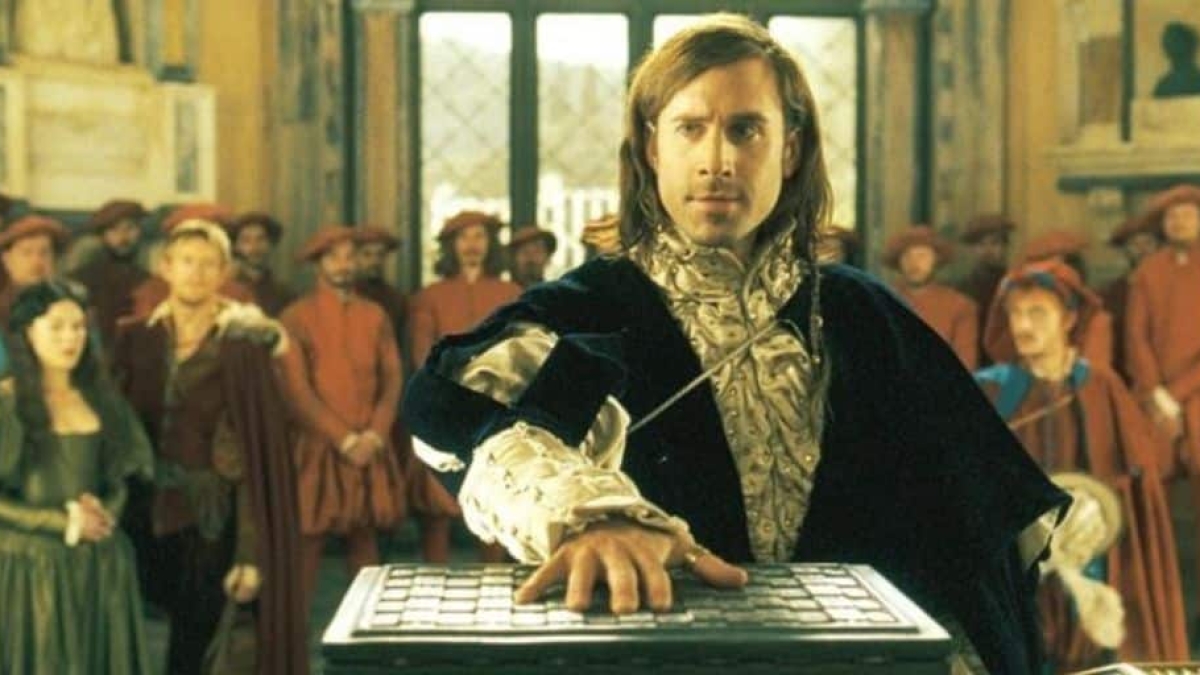
Bassanio's key characteristics include his sociable charm and the somewhat ambiguous motivations behind his actions, especially his ability to balance his financial needs with genuine affection for Portia.
Detailed Character Analysis
- Bassanio and Antonio:
- The friendship between Bassanio and Antonio is pivotal to the play's plot. Bassanio's financial dependence on Antonio highlights a dynamic of deep loyalty interspersed with complex moral obligations.
- Antonio's decision to secure a loan from Shylock with a pound of his own flesh as collateral underscores the profound impact of Bassanio's needs on Antonio's life, demonstrating the extreme lengths to which Antonio will go to assist Bassanio.
- Bassanio's Courtship of Portia:
- His need for financial stability initially drives Bassanio's pursuit of Portia but evolves into a genuine romantic endeavour. His handling of the casket test, designed by Portia's father to vet her suitors, reveals his sincerity and cleverness.
- Choosing the lead casket, which represents risk and humility over material gain, symbolises his true intention and growing genuine love for Portia, distinguishing him from other suitors.
- Bassanio at Belmont:
- During his stay at Portia's estate in Belmont, Bassanio is confronted with the grave news of Antonio's peril due to the bond with Shylock. His reactions and decisions in this setting are crucial, demonstrating his loyalty and dedication to Antonio.
- Despite his recent marriage, Bassanio returns to Venice to support Antonio, reflecting his strong sense of responsibility and loyalty.
Supporting Quotes
- "In Belmont is a lady richly left, And she is fair, and, fairer than that word, Of wondrous virtues." (Act 1, Scene 1) - This quote occurs when Bassanio describes Portia to Antonio, highlighting his initial attraction to her wealth but also acknowledging her virtues, suggesting a blend of materialistic incentive and genuine admiration.
- "So may the outward shows be least themselves: The world is still deceived with ornament." (Act 3, Scene 2) - Bassanio speaks these words during the casket test, reflecting his understanding that true value often lies beneath the surface. This quote showcases his depth of character and evolution from mere materialism to a more profound appreciation for genuine qualities.
Bassanio's Role in the Themes of the Play
Bassanio's character significantly explores themes such as love, loyalty, and materialism. His journey from a financially motivated suitor to a devoted husband and friend illustrates the complex interplay between love and economic necessity.
The ethical dilemmas he faces, particularly in balancing his financial desires with his duties to Antonio and Portia, highlight the moral ambiguities that can arise from personal relationships intertwined with financial dependence.
Conclusion
Bassanio's character arc from a financially driven suitor to a loyal friend and devoted husband significantly impacts the narrative of The Merchant of Venice. His experiences offer valuable lessons on the consequences of financial dependency and the importance of sincerity in relationships.