Opening Scene (Junior Cert English): Revision Notes
📚Revision Notes
Opening Scene
The opening scene of Little Women immediately establishes Jo March's character, ambition, and the societal constraints she faces as a female writer. Gerwig's use of camera work, lighting, sound, and mise-en-scène helps reinforce key themes of feminism, independence, and artistic struggle.
Note
Film Techniques – Reference Guide
✔ Establishing Shot – A wide shot that sets the scene (👉 Think: "Scene Setter")
✔ Mise-en-Scène – Everything in the frame (lighting, costumes, props, setting) (👉 Think: "What's in the Shot?")
✔ Tracking Shot – The camera follows a moving subject (👉 Think: "Follow Cam")
✔ Close-Up – A zoomed-in shot on a face or object for emphasis (👉 Think: "Zoom In")
✔ High/Low Angle – The camera looks down (makes a character seem weak) or up (makes them seem strong) (👉 Think: "Power Shot")
✔ Diegetic Sound – Sound the characters can hear (e.g. dialogue, footsteps) (👉 Think: "In-Scene Sound")
✔ Non-Diegetic Sound – Background music or voiceover that the characters can't hear (👉 Think: "Mood Music")
✔ Parallel Editing – Cutting between two scenes happening at the same time (👉 Think: "Side-by-Side Action")
✔ Symbolism – Using visuals to represent ideas (e.g. lighting changes to show emotions) (👉 Think: "Hidden Meaning")
💡 Tip: If you forget the technical term, use a simple phrase to describe what the camera or sound is doing!
1. Camera Shots & Mise-en-Scène: Jo in a Male-Dominated World
✔ Establishing Shot: The film opens with a mid-shot of Jo, backlit in low-key lighting as she stands outside a publishing office. This contrasts her figure against the bright interior, reinforcing that she is an outsider in the literary world.
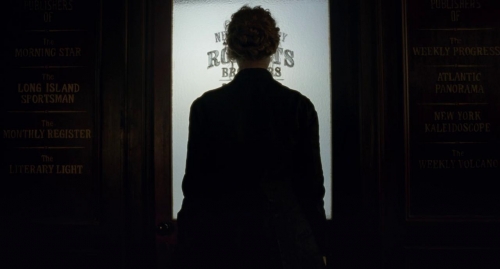
✔ Mise-en-Scène:
- Jo is the only woman in a room filled with men, visually representing the male-dominated publishing industry of the 19th century.
- She wears a suit, symbolising how she must adopt masculinity to be taken seriously.
- A close-up shot of the money exchange when Dashwood buys her story shows her success—but also the transactional, impersonal nature of publishing.
2. Film Techniques: Power Dynamics Between Jo & Dashwood
✔ High-Angle Shot: When Jo meets Mr. Dashwood, he is filmed from above, making him appear relaxed and powerful. Jo, in contrast, is shot from a lower angle, suggesting her nervousness and lower status in the conversation.
✔ Close-Up Shot: A close-up of Jo's hands reveals her fidgeting, showing her anxiety and eagerness to be accepted.
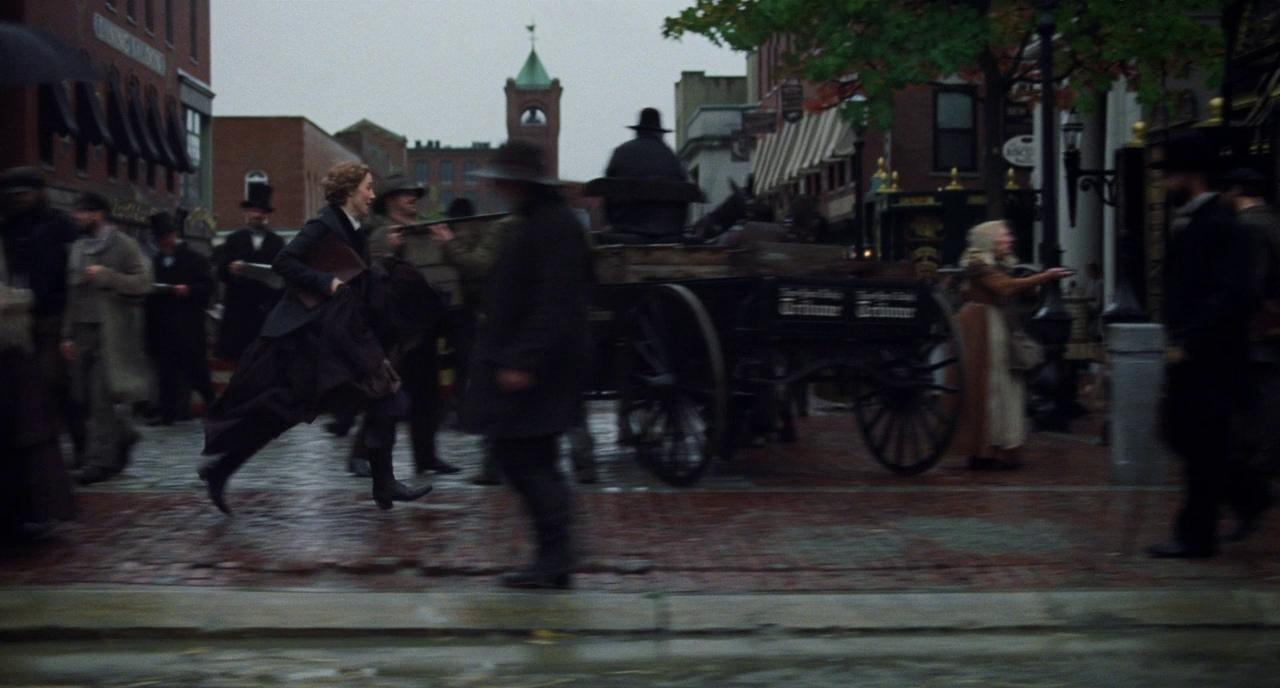
✔ Tracking Movement: When Jo runs through the streets after the meeting, the camera follows her in a tracking shot, visually conveying her excitement and ambition.
3. Sound: Emphasising Jo's Struggles
✔ Sound Effect: The loud slam of Dashwood's hand on Jo's manuscript reinforces his dismissive attitude towards her work, signalling that he sees little value in female writers.
✔ Diegetic Sound: The background murmurs of men in the office subtly remind the audience that Jo is surrounded by male authority figures.
✔ Non-Diegetic Score: The music builds tension when Jo awaits Dashwood's response, reflecting her nervous anticipation.
4. Jo's Characterisation: Visual Storytelling
✔ Clothing: Jo dresses in a suit, highlighting how she feels she must reject traditional femininity to succeed.
✔ Blocking & Movement:
- As Jo leaves the office, she runs to the right, while the rest of the crowd moves to the left. This visually symbolises her desire to forge her own path, rather than conform to societal expectations.
✔ Dialogue:
- Dashwood's remark: "If the main character is a girl, make sure she is married by the end. Or dead." → This foreshadows the film's central conflict between female independence and societal expectations.
5. Thematic Importance of the Opening Scene
✔ Establishes Jo's Struggles: The scene immediately presents Jo's ambition and the gendered obstacles she faces in a patriarchal world.
✔ Highlights Feminist Themes:
-
The mise-en-scène of men dominating the space, combined with Dashwood's dismissive attitude, reinforces the limitations placed on women in the 19th-century literary world.
-
Jo's defiance and persistence in the face of rejection set up her journey of self-discovery and success. ✔ Foreshadows Jo's Future Success:
- The exchange of money for her work introduces the idea of female financial independence, which will become a key moment when Jo later negotiates ownership of her book's copyright.
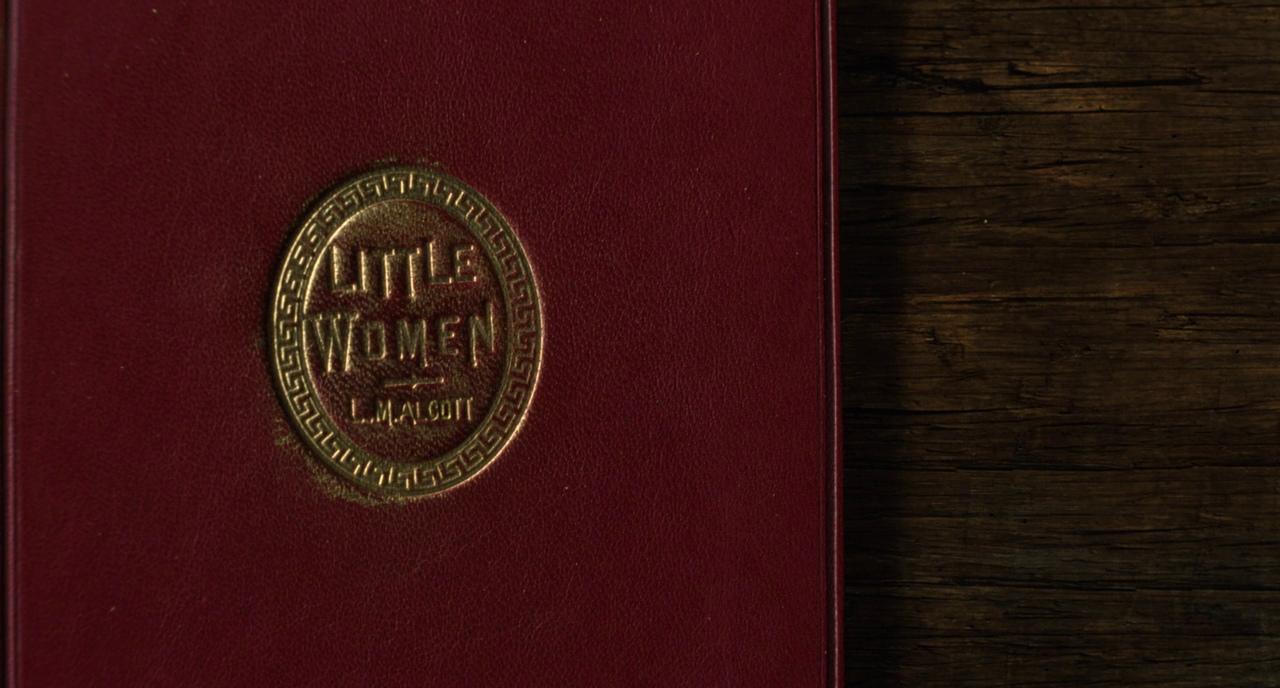
- The exchange of money for her work introduces the idea of female financial independence, which will become a key moment when Jo later negotiates ownership of her book's copyright.