Language Techniques (Junior Cert English): Revision Notes
📚Revision Notes
Language Techniques
1. Symbolism
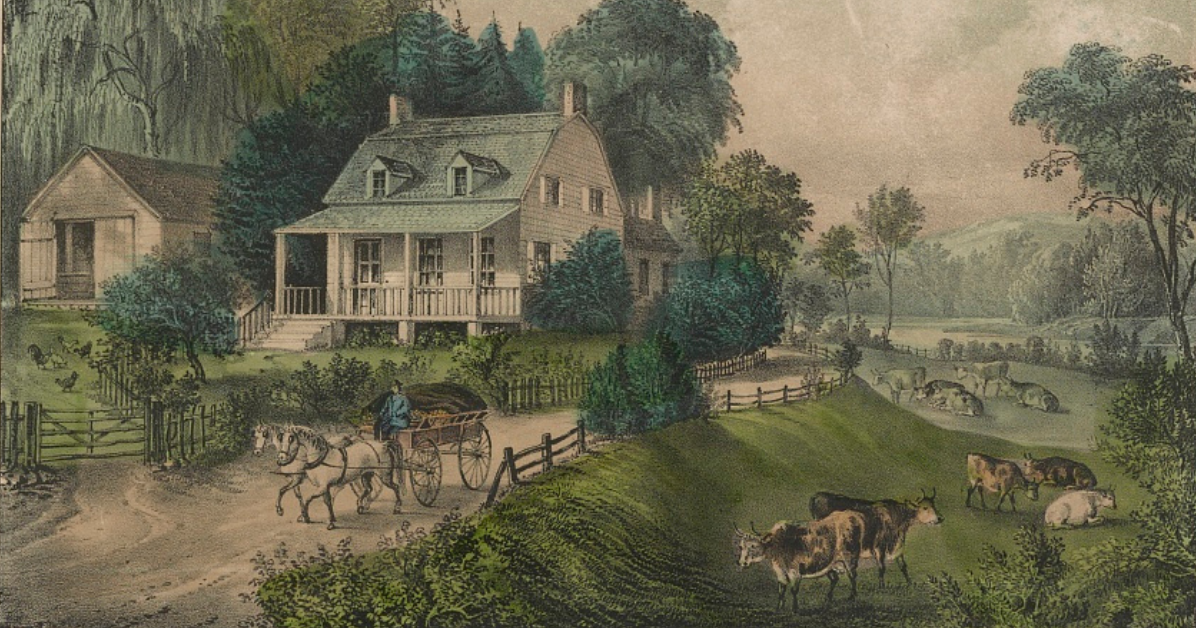
Dream Farm:
"We got a future. We got somebody to talk to that gives a damn about us."
- The dream farm symbolises hope and the pursuit of the American Dream, representing safety, freedom, and self-sufficiency. It highlights the theme of dreams and aspirations, showing the power of hope and the inevitability of disappointment.
Candy's Dog:
"He ain't no good to you, Candy. An' he ain't no good to himself. Why'n't you shoot him, Candy?"
- The dog symbolises the fate of those deemed useless, foreshadowing Lennie's fate and underscoring the harsh reality of age and obsolescence. This reinforces the themes of loneliness and the harshness of life.
2. Foreshadowing
Lennie's Strength:
"I didn't wanta hurt him."
- Lennie's accidental killing of small animals and his overwhelming strength foreshadow the novel's tragic ending. This technique highlights the inevitability of Lennie's actions leading to disaster, emphasising the themes of fate and inevitability.
3. Imagery
Descriptive Scenes:
"The water is warm too, for it has slipped twinkling over the yellow sands in the sunlight."
- Steinbeck's vivid imagery creates a strong sense of place and mood, drawing readers into the setting. This enhances the themes of nature's beauty and the stark contrast between the peaceful environment and the characters' turbulent lives.
4. Dialogue
Natural Speech:
"Guys like us, that work on ranches, are the loneliest guys in the world."
- The realistic dialogue reflects the characters' personalities and social status, making them more relatable and authentic. This technique effectively conveys the themes of friendship and loneliness, showing how characters express their struggles and desires through conversation.