Ricky Baker (Junior Cert English): Revision Notes
📚Revision Notes
Ricky Baker
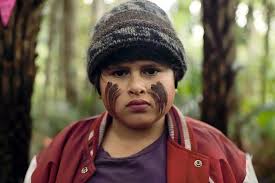
Ricky Baker is the protagonist of Hunt for the Wilderpeople. At 13, he has faced numerous challenges, including moving between foster homes and struggling with a sense of belonging. Ricky's journey is one of self-discovery, resilience, and growth, heavily influenced by his relationships and the wild New Zealand bush.
Relationships
Hector Faulkner (Hec):
-
Hec is Ricky's foster father and the person with whom he develops the deepest bond throughout the film. Initially, their relationship is strained, with Hec reluctant to take on the responsibility of caring for Ricky. However, as they spend time together in the wilderness, their relationship becomes a strong father-son bond. "Me and this fat kid / we ran, we ate, and read books / and it was the best."
-
This quote reflects Hec's growing affection for Ricky and the joy he finds in their shared experiences. Hec's role in Ricky's life is pivotal, providing Ricky with the stability and care he has longed for, even as Hec himself learns to open up and connect with another person. Bella Faulkner:
-
Bella is Ricky's foster mother and the first person to show him unconditional love and acceptance. Her warmth and kindness significantly impact Ricky, helping him feel at home for the first time in his life. "He's home now. He'll be OK."
-
This quote illustrates Bella's confidence in her ability to care for Ricky and her belief in his potential to thrive in a loving environment. Bella's influence is profound, as her nurturing presence lays the foundation for Ricky's transformation and growth throughout the film. Paula Hall:
-
Paula is the child services officer responsible for Ricky's case. Her strict and controlling nature contrasts sharply with the care Ricky receives from Bella and Hec. Paula is determined to bring Ricky back into state care, viewing him more as a case to be managed than a child in need of support. "No child left behind!"
-
Paula's motto underscores her rigid, rule-driven approach to her job, which often ignores the emotional and psychological needs of the children she oversees. Her antagonistic relationship with Ricky highlights the film's critique of government institutions and their dehumanising effects.
Motivations
-
Ricky's primary motivations are to belong, escape the foster care system, and avoid juvenile detention. Initially, his actions are driven by a sense of fear and self-preservation, but as he bonds with Hec, his motivations shift towards protecting their newfound family unit. "I didn't choose the skux life; the skux life chose me."
-
This quote captures Ricky's attempt to maintain a tough exterior to cope with the instability in his life. However, as the story progresses, Ricky's motivations become more aligned with his desire for a stable and loving home.
Development
-
Ricky's development throughout the film is marked by his growing confidence, resilience, and emotional maturity. At the beginning of the film, Ricky is shy, introverted, and unsure of his place in the world. However, through his adventures with Hec and the challenges they face together, Ricky learns to trust, care for others, and stand up for himself. "I'll never stop running."
-
This quote, spoken by Ricky, symbolises his initial mindset of constant escape and survival. By the end of the film, Ricky has transformed into a more grounded and self-assured young man, ready to face life's challenges with Hec by his side.
Ricky Baker's journey in Hunt for the Wilderpeople is a compelling narrative of growth, driven by his relationships, challenges in the wilderness, and his quest for belonging. His evolution from a troubled foster child to a confident and resilient young man highlights the transformative power of love, acceptance, and adventure.