Opening Scene (Junior Cert English): Revision Notes
📚Revision Notes
Opening Scene
Introduction
The opening scene of The Princess Bride serves as a masterful example of how filmmakers can establish characters, plot, setting, and genre expectations within just a few minutes. This sequence uses a frame narrative structure - a story within a story - to draw audiences into both the contemporary world and the fantasy adventure that follows.
Note
The frame narrative technique is particularly effective in film because it provides multiple layers of storytelling that can appeal to different audience segments while easing the transition between realistic and fantastical elements.
Character establishment techniques
The opening scene introduces three key characters through careful use of mise-en-scène, actions, body language, and camerawork. Each character is established with distinct personality traits that will influence how audiences perceive the story.
The boy character
The young protagonist is presented as a stereotypical modern boy through several visual and behavioural cues. His bedroom environment reveals much about his character - it's filled with action figures, sports memorabilia, and appears quite messy, suggesting a typical teenage boy's interests and habits.
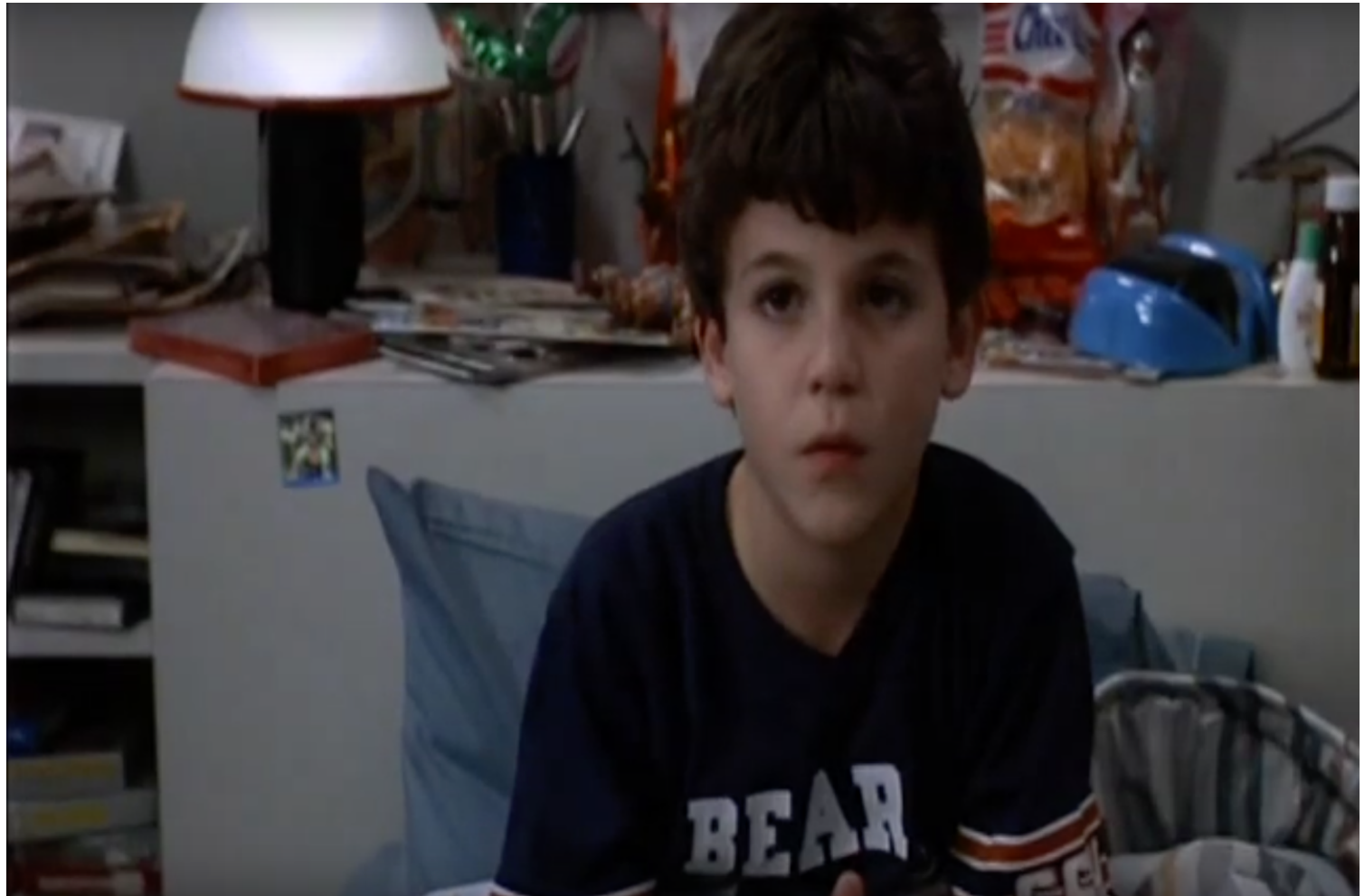
The boy's initial behaviour reinforces this characterisation. He's shown slouching and complaining about his grandfather's visit, particularly objecting to the physical affection like cheek squeezing. This demonstrates his somewhat unaffectionate nature and typical teenage resistance to family traditions. His dismissive attitude towards his grandfather's book initially shows him as someone who might not appreciate older stories, making his eventual engagement more meaningful.
The mother character
The mother figure provides a stark contrast to her son's behaviour through her caring and attentive actions. She's shown tenderly checking on her sick child, placing her hand on his forehead to monitor his temperature, demonstrating the nurturing parental role.
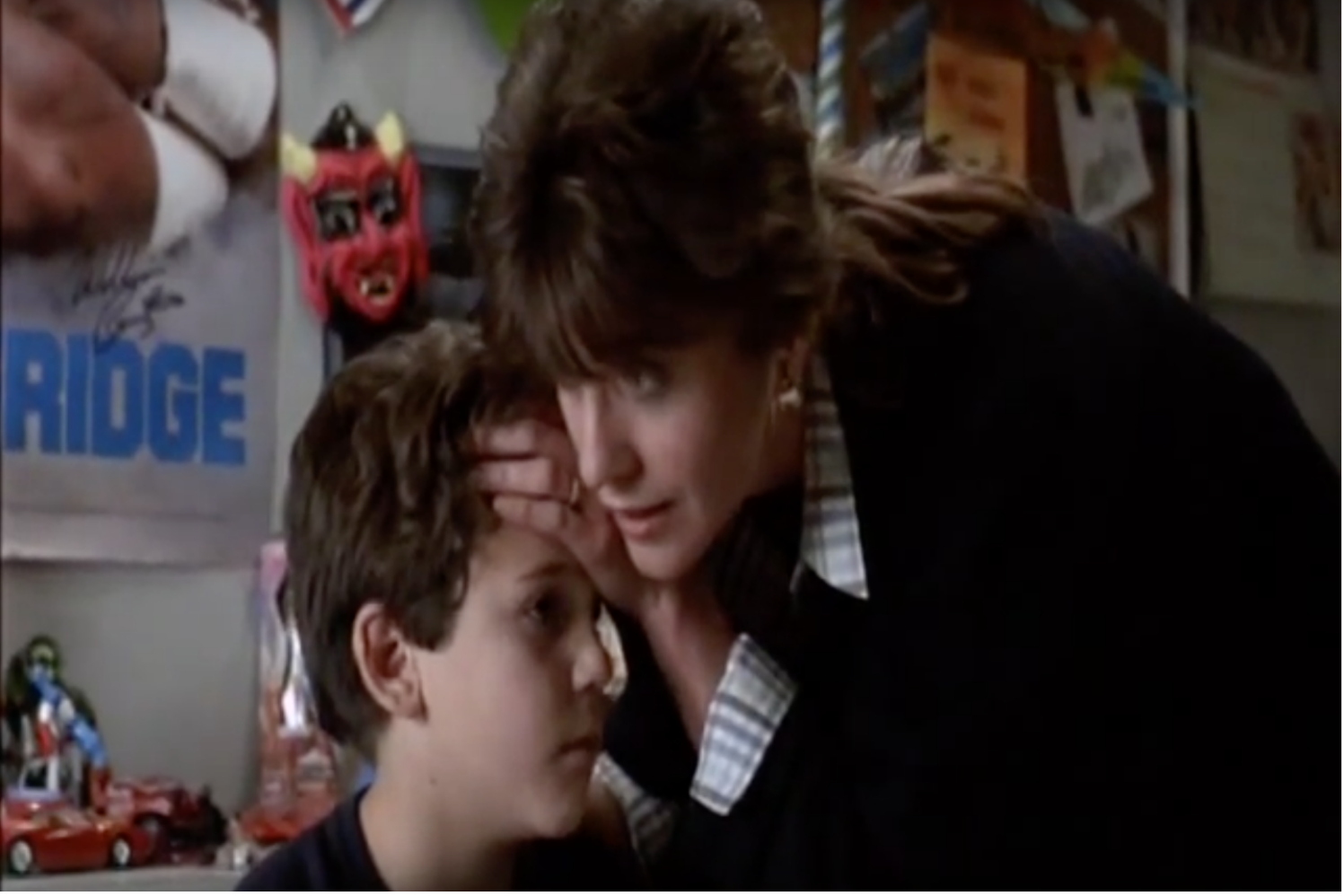
Her interactions reveal a close relationship with her son as they share jokes about the grandfather's habit of squeezing cheeks. This establishes her as understanding and empathetic, someone who can relate to her son's perspective while still maintaining respect for the grandfather. Her presence helps establish the family dynamic and the caring environment that makes the story-telling moment feel natural.
The grandfather character
The grandfather emerges as an enthusiastic and confident storyteller who brings energy and passion to the narrative. His entrance into the room demonstrates his comfortable familiarity with the family, and his animated gestures when describing the book reveal his genuine love for the story.
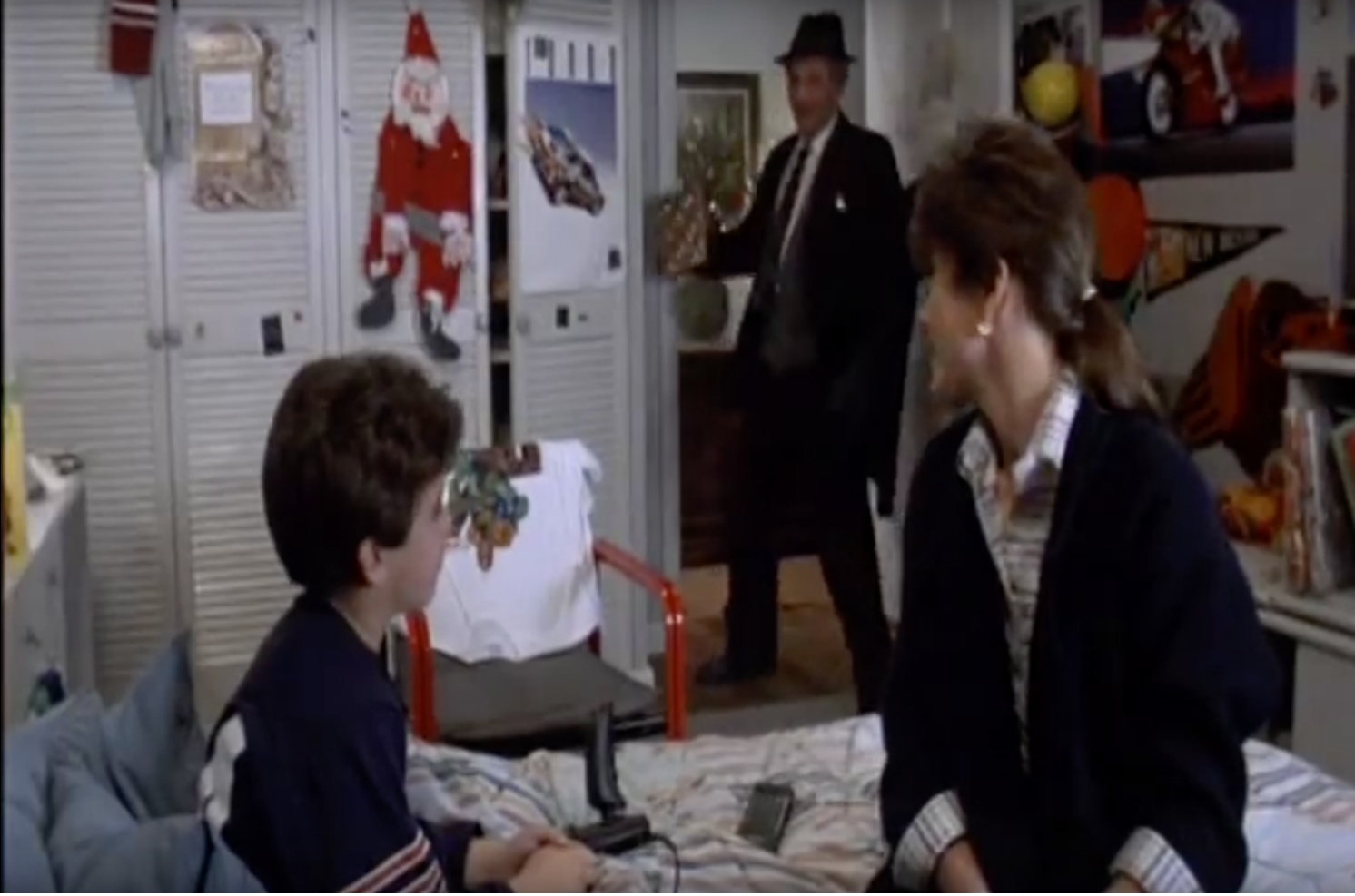
His character is established through his determination to share this particular story and his animated description of its qualities. When he lists the elements of "The Princess Bride" - including "fencing, fighting, torture, revenge, giants, monsters, chases, escapes, true love, miracles" - his enthusiasm becomes infectious. His sarcastic responses to the boy's dismissive comments also reveal his sense of humour and ability to connect with younger generations.
Plot establishment through frame narrative
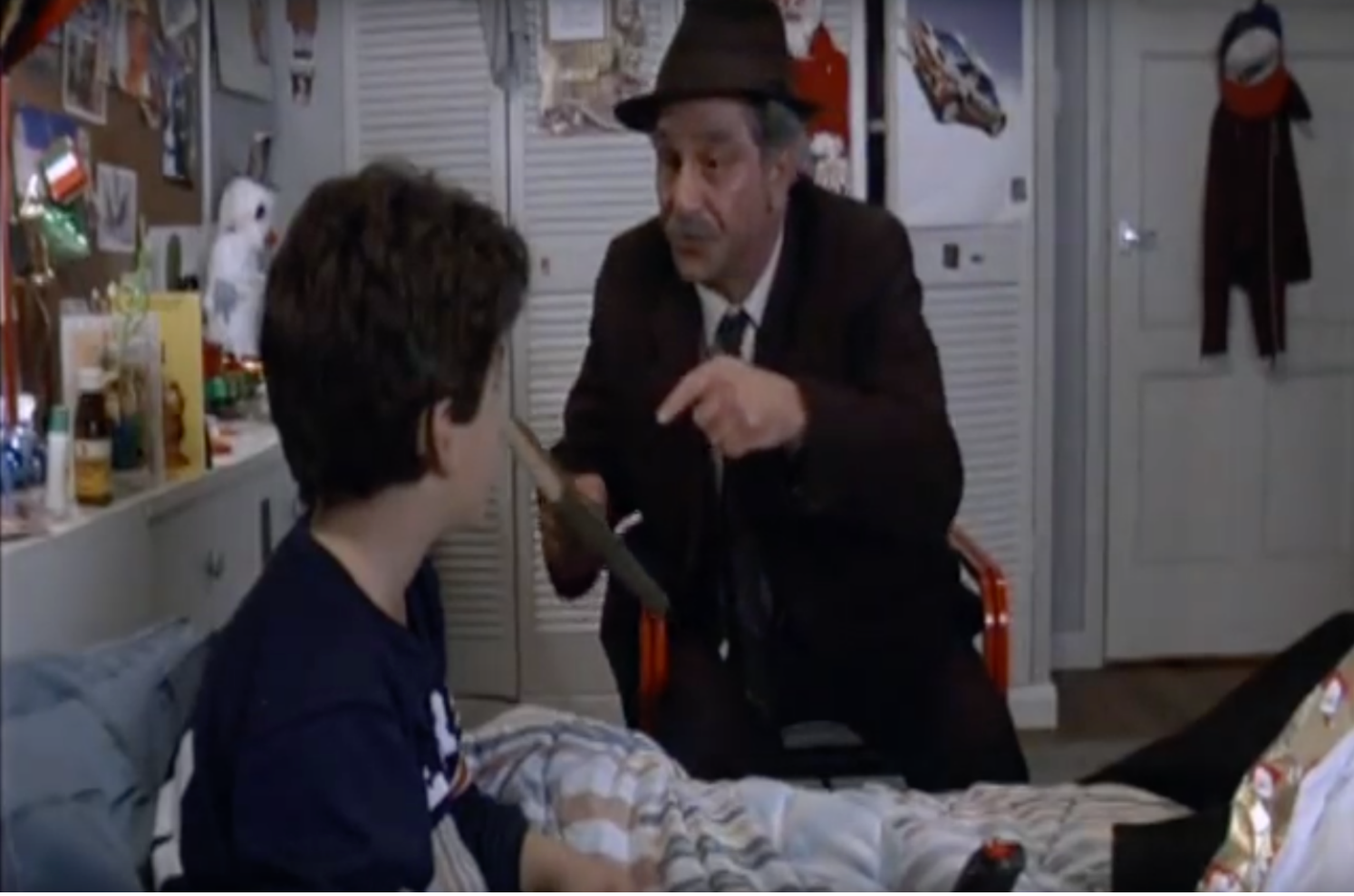
The frame narrative structure serves multiple purposes in establishing the film's plot and preparing audiences for the adventure to come. This technique creates a story within a story format that allows for a smooth transition between the contemporary and fantasy worlds.
Important
The grandfather's decision to read to his sick grandson provides the perfect setup for the main narrative. This framing device suggests that the story will be family-friendly and suitable for all ages, while also implying that older audiences will find enjoyment in the tale.
The grandfather's description of the book establishes the plot as a romantic action-adventure that will encompass multiple genres and appeal to various audience preferences. This preparation helps audiences understand what to expect while building anticipation for the main story.
Setting and context creation
The opening establishes two distinct settings that will frame the entire narrative experience. The contemporary setting begins in an urban family home, specifically in a boy's bedroom that reflects modern life.
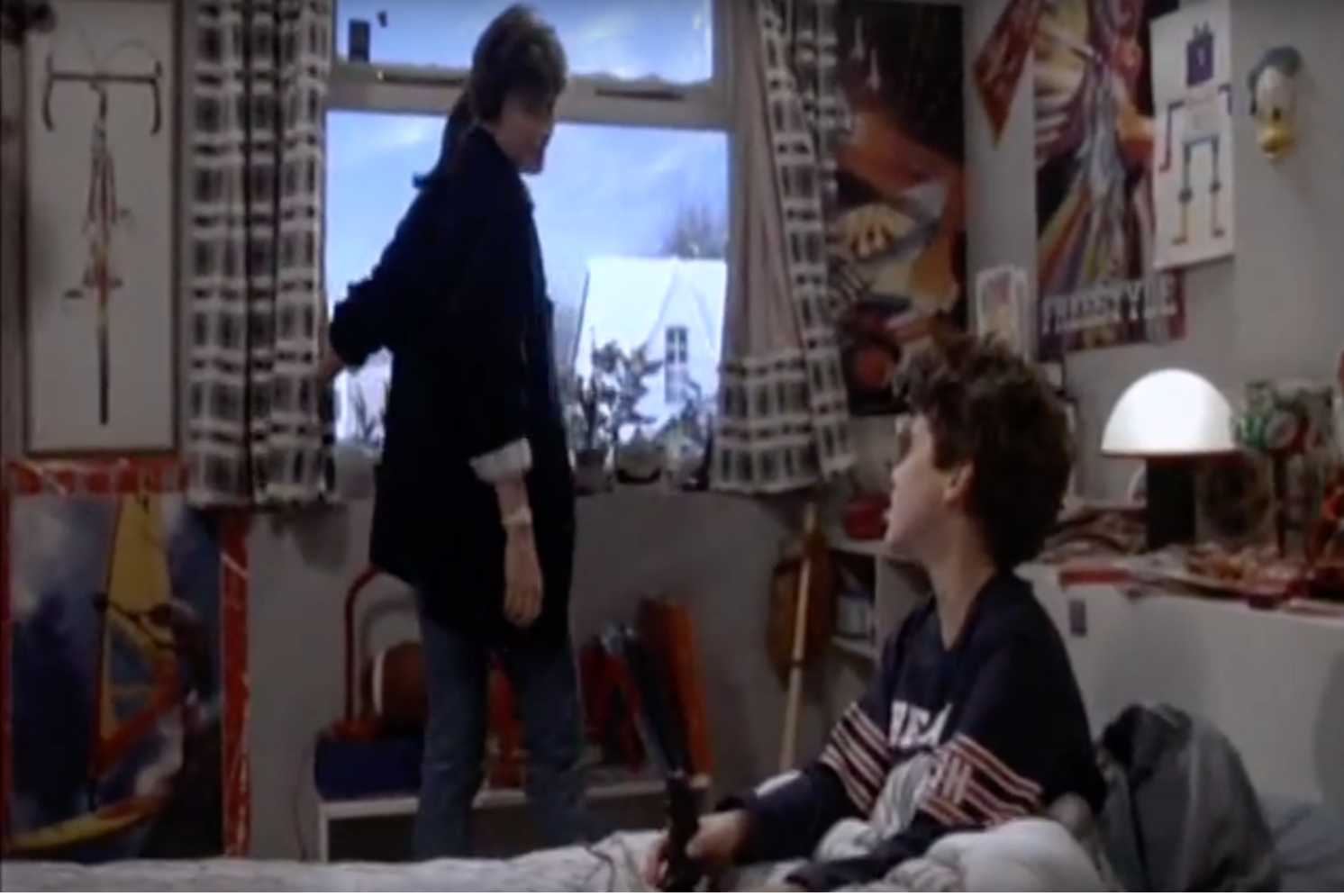
The urban setting is established through visual cues like the window view and the typical suburban bedroom environment. The context reveals that the boy is unwell, explaining why his grandfather has come to visit and why reading a book serves as an appropriate distraction. This normal family setting makes the transition to fantasy more effective by grounding the story in relatable reality.
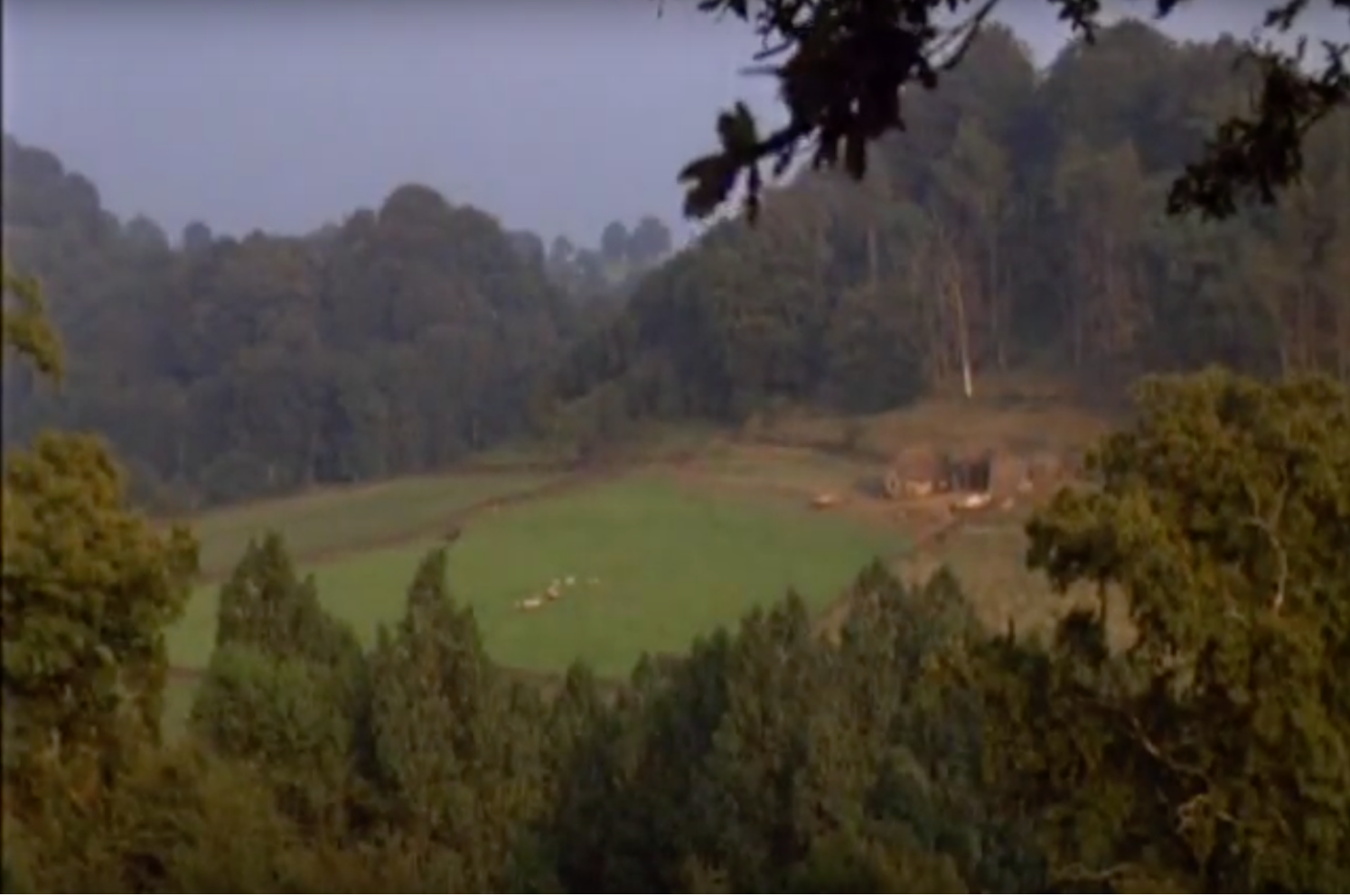
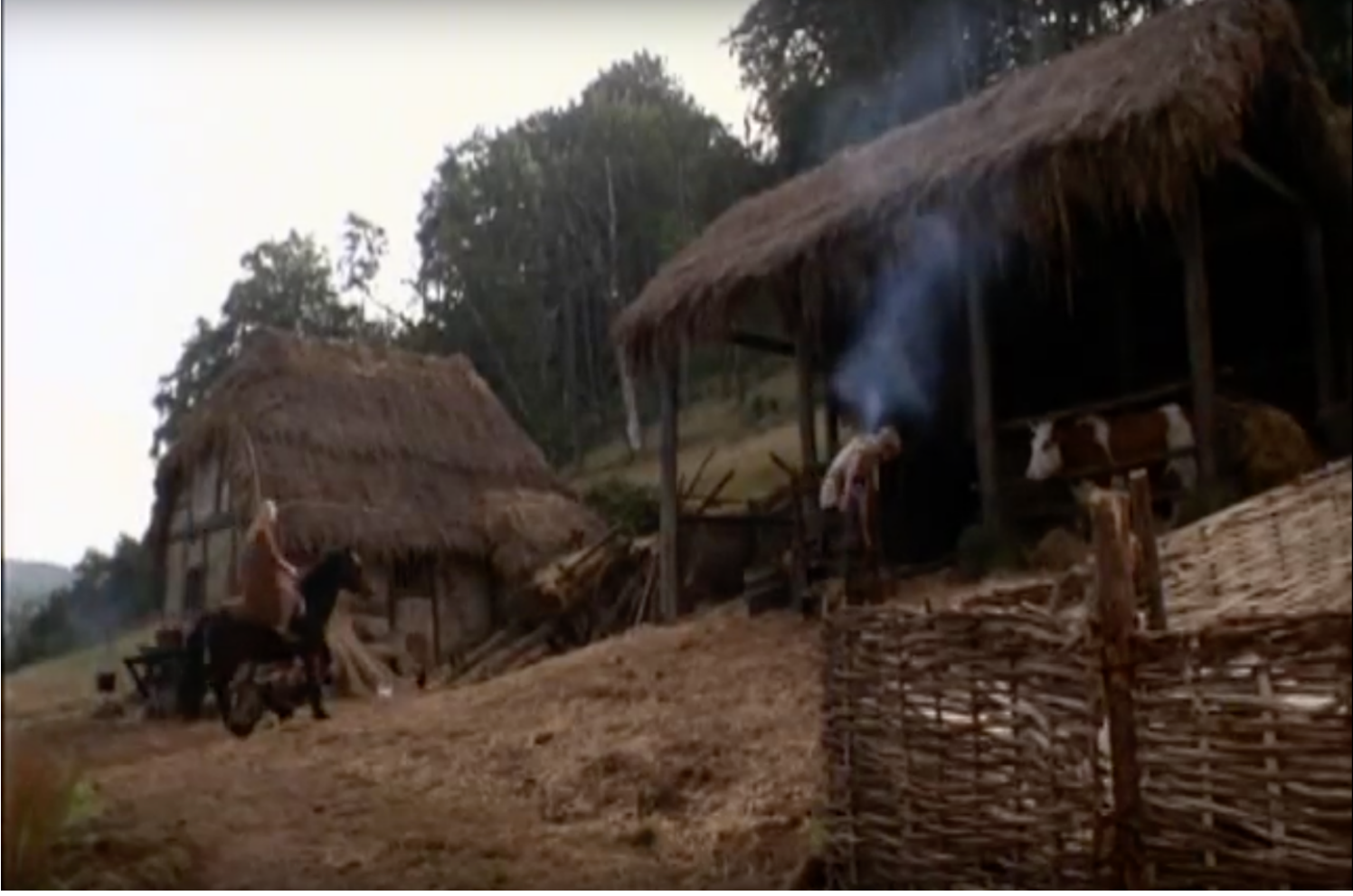
As the grandfather begins reading, the setting transitions to the fantasy world of the novel. This shift is marked by the visual transition from the contemporary bedroom to pastoral landscapes with fields and farms in wooded areas.
Note
This transition prepares audiences for a more traditional, fairytale-like story setting. The rural, pastoral environment with traditional village structures suggests a bygone era where adventures, romance, and heroic quests would naturally occur.
Genre identification and conventions
The opening sequence clearly establishes The Princess Bride as a comedy-adventure-romance film through several key indicators. The grandfather's enthusiastic description of the novel's contents provides direct genre identification by listing its various elements.
The adventure elements are established through mentions of "fencing, fighting, torture, revenge, giants, monsters, chases, escapes," which promise exciting action sequences and heroic challenges. The romance component is introduced through "true love," suggesting that relationships and emotional connections will drive much of the plot.
The comedy aspect emerges through the interactions between family members, particularly the grandfather's sarcastic responses to the boy's dismissive comments and the family's good-natured teasing about the grandfather's cheek-squeezing habit. This establishes that while the story will include serious adventures, it will maintain a light-hearted, humourous tone throughout.
Example
Genre Convention Example: Romance Setup
The grandfather's explanation that Buttercup enjoys "tormenting" Westley and never calls him by his name hints at the playful, complicated relationship dynamics that will characterise the romance elements. This suggests that the love story will have both depth and humour, avoiding simple romantic clichés.
Audience engagement and questions raised
The opening sequence succeeds in raising several important questions that will drive audience engagement throughout the film. These questions create anticipation and investment in both the frame narrative and the main story.
Regarding the main story, audiences are left wondering about the specific nature of the adventures that will unfold. While the grandfather provides a list of exciting elements, the actual plot details remain mysterious, encouraging viewers to continue watching to see how these elements will come together.
The relationship between Buttercup and Westley is introduced but not explained, leaving audiences curious about how their romance will develop and what obstacles they'll face. The mention of "true love" suggests a happy ending, but the journey to reach that conclusion remains unclear.
Questions also arise about how the frame narrative will interact with the main story. Will the grandfather and grandson continue to appear throughout the film? How will the boy's initial resistance to the story evolve? Will the contemporary setting influence how audiences interpret the fantasy elements?
Important
The opening also raises questions about the characters within the main story, as audiences know only their names and basic relationship dynamic. This creates space for character development and allows viewers to form their own expectations about the personalities and motivations they'll encounter.
Effectiveness of the opening sequence
The opening sequence proves highly effective in accomplishing its goals of character establishment, plot setup, and audience engagement. It successfully creates the impression that the film will be an enjoyable, light-hearted, family-friendly adventure that appeals to multiple age groups.
The frame narrative technique is particularly clever because it provides two different entry points for audience investment. Those who might initially resist a fantasy adventure can relate to the contemporary family situation, while those eager for the main story are given enough tantalising details to maintain interest through the setup.
The sequence effectively establishes universal appeal by showing how someone who initially doesn't expect to enjoy the story - the reluctant boy - can become engaged through quality storytelling. This mirrors the potential audience experience and suggests that even sceptical viewers might find themselves drawn into the adventure.
Note
The character establishment creates relatable figures who will guide audience reactions throughout the film. The grandfather's enthusiasm provides a model for how to appreciate the story, while the boy's initial resistance acknowledges that some elements might seem outdated or unrealistic to modern audiences.
Summary
Key Points to Remember:
- The opening scene uses frame narrative (story within a story) to ease audiences into the fantasy world
- Character establishment occurs through mise-en-scène, actions, and dialogue - the boy is stereotypically modern, the mother is caring, and the grandfather is enthusiastic
- Genre identification happens through the grandfather's description of the novel's elements: adventure, romance, and comedy
- Setting transitions from contemporary urban bedroom to fantasy pastoral world, preparing audiences for the tone shift
- The sequence raises audience questions about plot details, character relationships, and how the frame narrative will continue, creating investment in the story