Overview (Junior Cert English): Revision Notes
📚Revision Notes
Overview
Basic film information
The Princess Bride is a beloved 1987 fantasy adventure film that has become a cultural phenomenon. Directed by Rob Reiner and written by William Goldman (who also wrote the original novel), the movie runs for 98 minutes and carries a PG rating. The film was released on September 25, 1987, and has since become one of the most quotable and rewatchable movies in cinema history.
Note
The film's PG rating makes it accessible to family audiences while containing enough sophistication to engage adult viewers, contributing significantly to its multi-generational appeal.
Story and source material
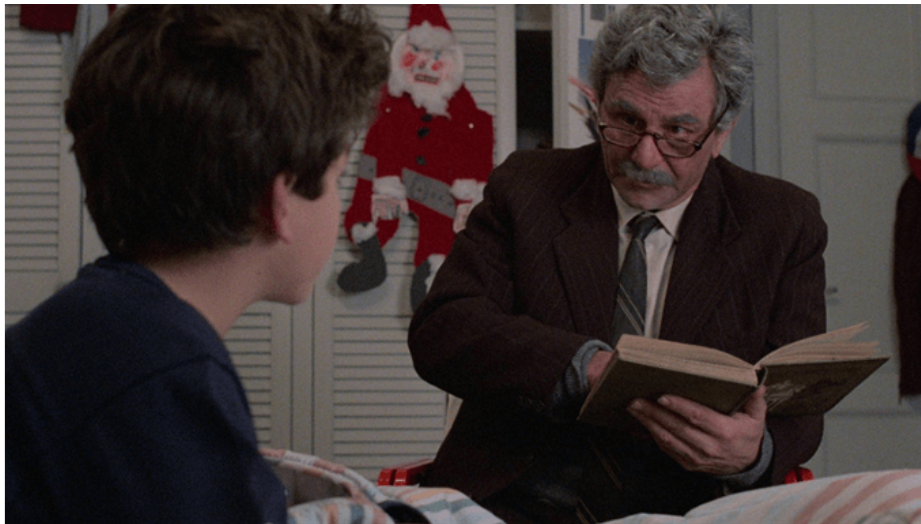
The film tells its story through a unique frame narrative structure. A grandfather reads a storybook to his sick grandson, and the movie shifts between this contemporary bedroom scene and the fantastical adventure within the book. This storytelling approach allows the film to comment on fairy tale conventions while still embracing them wholeheartedly.
The story follows Westley, a young man who becomes the mysterious Dread Pirate Roberts to win back his true love, Buttercup. When Buttercup is kidnapped by a trio of outlaws, Westley must rescue her while navigating sword fights, political intrigue, and seemingly impossible challenges. The tale includes classic fairy tale elements like true love, noble quests, and good triumphing over evil.
Important
William Goldman's innovative approach of presenting his novel as an "abridged" version of a fictional classic work created a playful meta-narrative that carries over into the film, allowing it to both celebrate and gently parody fairy tale conventions.
William Goldman adapted the screenplay from his own 1973 novel, which was presented as an "abridged" version of a fictional classic work. This playful approach to storytelling carries over into the film, creating layers of meaning that work for both children and adults.
Key characters and cast
The film features an ensemble cast that brings Goldman's memorable characters to life with perfect casting choices:
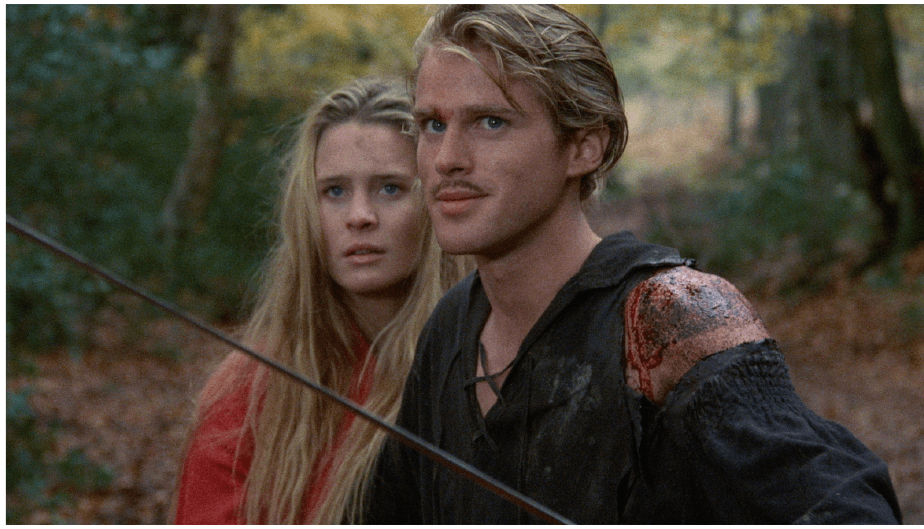
Westley/The Dread Pirate Roberts (Cary Elwes) - The hero who will do anything for true love, famous for saying "As you wish" to express his devotion to Buttercup.
Buttercup (Robin Wright) - The beautiful heroine whose love story drives the plot, though she grows from a passive character into someone who fights for her own destiny.
Inigo Montoya (Mandy Patinkin) - The Spanish swordsman seeking revenge for his father's murder, known for his memorable introduction: "Hello, my name is Inigo Montoya. You killed my father. Prepare to die."
Fezzik (André the Giant) - The gentle giant with incredible strength who becomes a loyal friend despite his intimidating appearance.
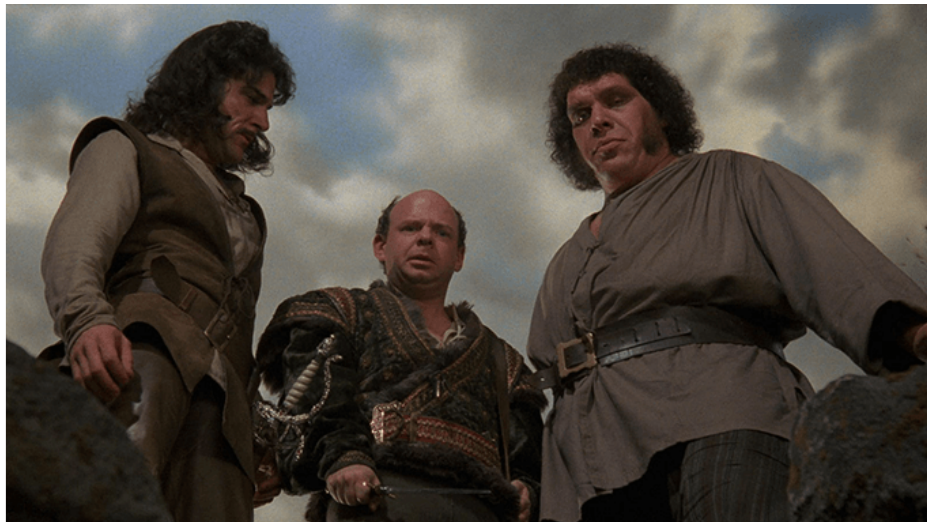
Vizzini (Wallace Shawn) - The criminal mastermind who frequently declares situations "inconceivable!" His overconfidence becomes his downfall.
Prince Humperdinck (Chris Sarandon) - The cowardly prince who serves as the primary antagonist, more interested in starting wars than true combat.
Count Rugen (Christopher Guest) - The six-fingered man who killed Inigo's father, serving as Humperdinck's right-hand man.
Example
Character Motivation Example: Inigo Montoya
Inigo's character demonstrates how personal tragedy can drive an entire character arc:
- Inciting incident: Father murdered by six-fingered man
- Life goal: Master swordsmanship to seek revenge
- Character development: Learns that friendship and loyalty matter as much as revenge
- Resolution: Achieves justice while finding new purpose with his companions
Themes and genre elements
The Princess Bride masterfully blends multiple genres to create something entirely unique. It functions simultaneously as a romantic adventure, a comedy, and a loving parody of fairy tale conventions. The film explores several key themes:
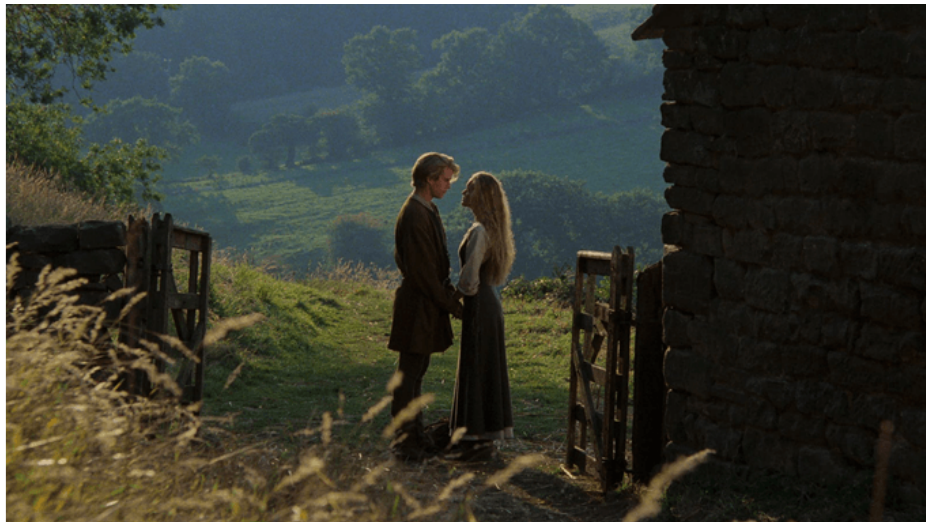
True Love - The central theme that drives the plot, showing how genuine love can overcome any obstacle. Westley's devotion to Buttercup motivates his entire journey.
Good vs Evil - Classic fairy tale morality is present but presented with sophisticated humour and character development that avoids simple black-and-white judgments.
Revenge and Justice - Inigo's quest for revenge against the six-fingered man provides emotional weight and demonstrates how personal justice can align with broader good.
Friendship and Loyalty - The bonds formed between unlikely allies, particularly among Westley, Inigo, and Fezzik, show how shared values can unite different people.
Note
The film's genius lies in how it celebrates traditional fairy tale themes while also gently mocking the conventions that typically accompany them. Characters acknowledge the absurdity of their situations while remaining emotionally invested in the outcomes.
Production background
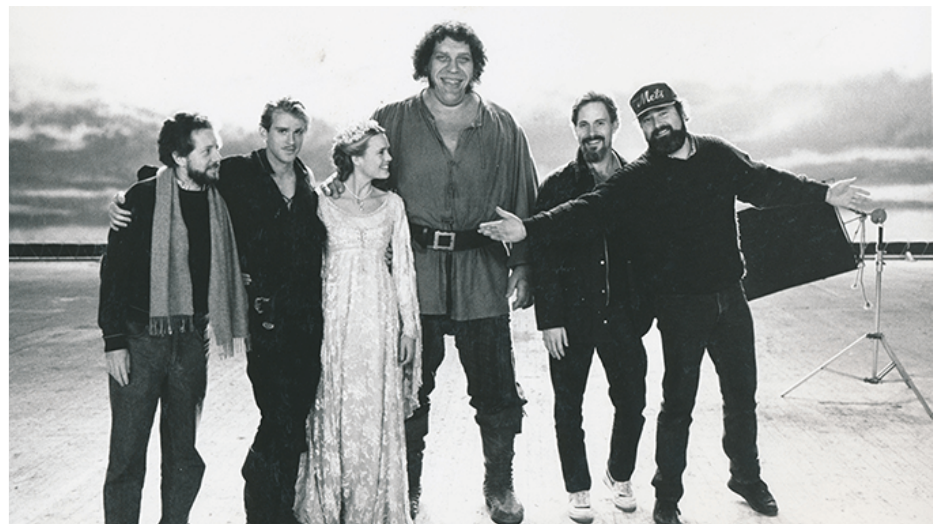
The film was produced with a modest budget of $16 million, which required creative solutions for the elaborate sword fights and fantasy elements. Director Rob Reiner assembled a cast that could handle both the physical demands of the adventure sequences and the subtle humour woven throughout the script.
Important
The production faced initial challenges when studios couldn't understand how to market a film that combined so many different genres. This marketing confusion contributed to the film's initial modest box office performance, despite its eventual cult status.
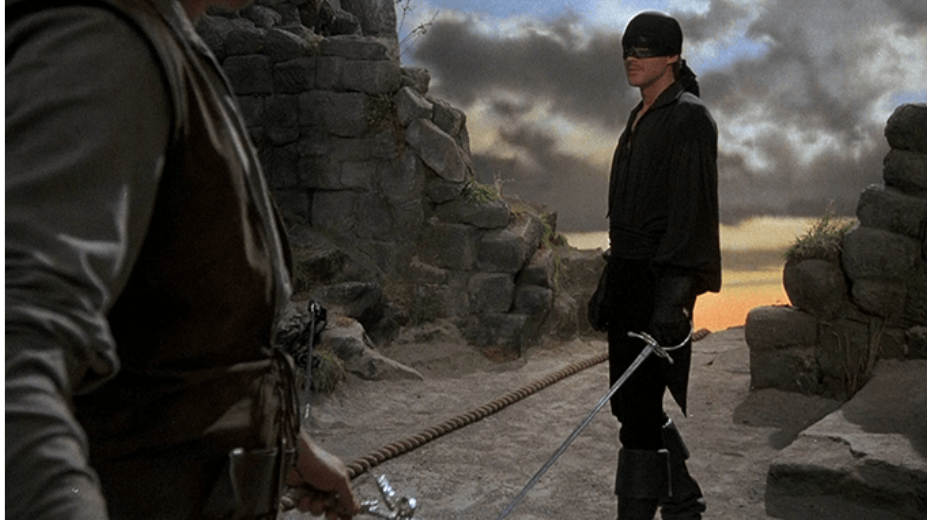
The famous sword fight sequence between Inigo and Westley required months of training and choreography. The actors performed many of their own stunts, contributing to the authentic feel of the action sequences.
Visual style and memorable scenes
The film adopts a classical storybook aesthetic that perfectly matches its fairy tale content. The cinematography uses warm, golden lighting and sweeping landscape shots that create a timeless, magical atmosphere. The costumes and set design evoke mediaeval fantasy while remaining accessible to modern audiences.
Some of the most memorable scenes include:
- The sword fight on the Cliffs of Insanity, showcasing both technical skill and witty dialogue
- The battle of wits with the iocane powder, demonstrating the film's clever approach to traditional challenges
- The torture chamber scenes that balance genuine tension with dark comedy
- The storming of the castle, which brings together all the main characters for the climactic rescue
Example
Memorable Scene Analysis: The Battle of Wits
The iocane powder scene demonstrates the film's sophisticated humour:
- Setup: Vizzini challenges Westley to a deadly game of chance
- Twist: Westley reveals he's built up an immunity to the poison
- Humor: The scene parodies logical reasoning while creating genuine suspense
- Character development: Shows Westley's intelligence and preparedness
The film's dialogue has become legendary, with phrases like "As you wish", "Inconceivable!" and "Hello, my name is Inigo Montoya" entering popular culture permanently.
Cultural impact and legacy
Though initially receiving mixed reviews and moderate box office success, The Princess Bride found its true audience through home video and television broadcasts. The film's appeal spans generations, with parents introducing it to their children who then pass it on to their own kids.
The movie's success demonstrates how a well-crafted story can transcend its original medium and time period. Its blend of romance, adventure, and humour creates something that appeals to viewers of all ages, while its self-aware approach to storytelling feels fresh even decades later.
Note
The film's transition from modest theatrical success to cultural phenomenon illustrates how some movies find their true audience over time, particularly through home viewing where families can discover and rediscover the film together.
The film has been recognised by various institutions as one of the greatest romantic comedies and adventure films ever made. Its influence can be seen in countless other movies that attempt to blend genres with similar sophistication and heart.
Summary
Key Points to Remember:
-
The Princess Bride combines multiple genres - romance, adventure, comedy, and fantasy - creating a unique viewing experience that works on multiple levels
-
The frame narrative structure allows the film to comment on fairy tale conventions while still embracing them, creating layers of meaning for different audiences
-
Memorable characters with clear motivations drive the plot forwards, from Westley's devotion to Buttercup to Inigo's quest for revenge against his father's killer
-
Quotable dialogue and iconic scenes have made the film a cultural touchstone, with phrases like "As you wish" and "Inconceivable!" becoming part of popular culture
-
The film's timeless appeal stems from its balance of sincere emotion and gentle humour, making it enjoyable for both children and adults across multiple generations