The Frame Narrative (Junior Cert English): Revision Notes
📚Revision Notes
The Frame Narrative
Understanding frame narratives
A frame narrative is a storytelling technique where one story is told within another story, creating layers of narration. In The Princess Bride, this technique serves as a bridge between the fantasy adventure and real-world themes, allowing the author to explore deeper questions about storytelling, reality, and our expectations of life.
Note
A frame narrative creates a "story within a story" structure, where the outer story provides context and commentary for the inner story. This technique allows authors to examine the relationship between storytelling and reality.
The difference between film and book
The frame narrative works very differently in the film compared to the book. In the movie adaptation, the frame is straightforward and charming - it simply involves a grandfather reading to his sick grandson. This creates a warm, family-centered atmosphere that draws us into the fairy tale.
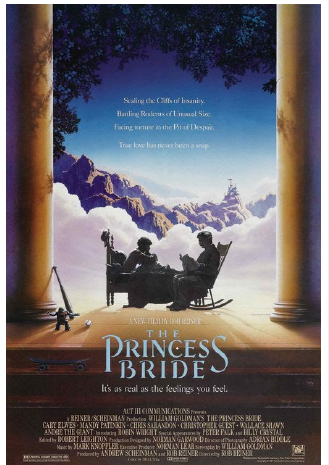
However, the book's frame narrative is much more complex and layered. William Goldman creates an intricate fictional setup that serves multiple purposes beyond just introducing the story. The book's frame is designed to make us question the nature of storytelling itself and examine our own relationships with fantasy and reality.
Goldman's fictional persona
The novel begins with William Goldman writing as a fictional version of "himself" approaching his 40th birthday. This character describes his life in deliberately mundane and disappointing terms - he presents himself as overweight, unmotivated, with a wife who is a psychiatrist and a son who is also overweight. This narrator claims to be an unsatisfied adult who has forgotten the magic of childhood stories.
Goldman spends about 25 pages establishing this "reality" before the narrator discusses returning to The Princess Bride as an adult. The narrator explains that his father used to read him this story by the fictional author S. Morgenstern when he was a child, and he decides to buy a copy for his own son's birthday. This setup creates the foundation for the entire frame narrative structure.
Note
Goldman's creation of a fictional version of himself as narrator is an example of metafiction - fiction that self-consciously addresses the devices of fiction and the relationship between fiction and reality.
The reality versus fantasy contrast
The most important function of the frame narrative is to create a stark contrast between mundane adult reality and the excitement of childhood fantasy. The narrator represents the disappointment of growing up and realising that life doesn't match our youthful expectations of adventure and romance.
Important
The Central Quote of the Frame Narrative:
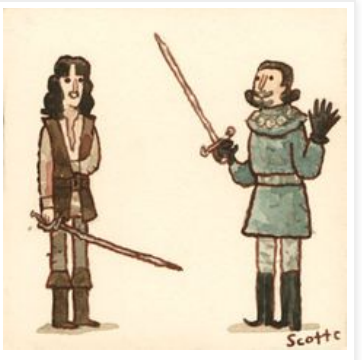
"But take the title words- 'true love and high adventure'- I believed that once. I thought my life was going to follow that path. Prayed that it would. Obviously it didn't, but I don't think there's high adventure left anymore. Nobody takes out a sword nowadays and cries, 'Hello. My name is Inigo Montoya. You killed my father; prepare to die!'"
This quotation captures the central tension of the frame narrative - the longing for the excitement and meaning found in stories, contrasted with the perceived emptiness of real adult life.
The narrator's interruptions and commentary
Throughout the story, the frame narrator continues to interrupt the fairy tale with commentary that reminds us we're reading fiction. These interruptions serve several purposes:
- They prevent us from becoming completely absorbed in the fantasy
- They remind us that stories are constructed, not natural
- They highlight the contrast between story-time and real-time
- They make us think about our own relationship with storytelling
The narrator frequently makes cynical observations about how "real life just isn't going to be anything like the novel" and how we shouldn't expect happy endings in reality. These interruptions create a sense of self-awareness about the storytelling process itself.
The impact of reading and storytelling
Goldman uses the frame narrative to explore how stories shape our lives and expectations. The narrator describes how reading The Princess Bride as a child had a profound impact on him, making him believe in "true love and high adventure." The disappointment comes from realising that real life rarely lives up to these story-inspired expectations.
However, the frame also suggests that stories remain important even when we recognise their fictional nature. The narrator's decision to share the story despite his cynicism shows that he still values the power of storytelling, even if he no longer believes in its promises.
Key themes and messages
The frame narrative in The Princess Bride serves to communicate several important themes:
The tension between fantasy and reality: The frame constantly reminds us that the exciting adventure story exists in contrast to boring everyday life.
The power of storytelling: Despite his cynicism, the narrator still finds value in sharing stories, suggesting they serve important purposes beyond literal truth.
Growing up and disillusionment: The frame explores how childhood wonder gives way to adult disappointment, and questions whether this is inevitable or chosen.
The nature of happiness: Goldman plays with our expectations of "happy endings," suggesting that real life is more complicated than fairy tales.
The frame narrative makes The Princess Bride more than just a simple adventure story - it becomes a meditation on storytelling itself and our relationship with the stories that shape our understanding of life and love.
Summary
Key Points to Remember:
- The frame narrative creates a story within a story structure that serves multiple purposes beyond just introducing the main tale
- Goldman's fictional persona as narrator contrasts mundane adult reality with childhood fantasy expectations
- The key tension is between "true love and high adventure" as ideals versus disappointing real-world experience
- Narrator interruptions throughout the story remind us we're reading fiction and prevent complete immersion in the fantasy
- The frame explores deeper themes about storytelling, growing up, and the relationship between stories and real life expectations