Overview (Junior Cert English): Revision Notes
📚Revision Notes
Overview
"Base Details" by Siegfried Sassoon is a harsh criticism of the uncaring and comfortable attitudes of military officers during World War I. In the poem, Sassoon imagines himself as a "fierce, bald, and short of breath" Major who enjoys a luxurious life far from the battlefield while sending young soldiers to their deaths. Through vivid imagery and sharp language, Sassoon reveals the hypocrisy and detachment of those in power, highlighting the tragic waste of young lives and the bitter irony of war.
About the Poet
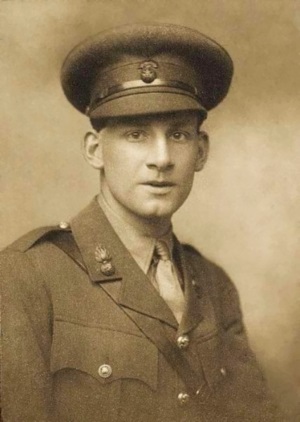
Siegfried Sassoon (1886-1967) was a British poet and soldier known for his poetry that vividly depicted the horrors of World War I. As a decorated soldier, Sassoon became a vocal critic of the war, condemning the needless slaughter and the incompetence of military leaders. His poetry combines realism with satire, reflecting his disillusionment and anger. Sassoon's works have impacted war literature and influenced future generations of poets and writers.
Setting of the Poem
- The poem is set in the contrasting environments of the comfortable, safe hotels where the officers stay and the brutal, deadly front lines where the soldiers fight.
- This juxtaposition underscores the central theme of detachment and hypocrisy, as the officers' indulgent lives are contrasted with the grim realities faced by the soldiers.
- The setting strengthens the poem's criticism of the military's unfairness and the injustice of the war.
Summary
Stanza 1 The poem opens with the speaker imagining himself as a Major: _"_If I were fierce, and bald, and short of breath." This hypothetical scenario allows Sassoon to mock the officers. He describes them enjoying a luxurious life, "Guzzling and gulping in the best hotel," far removed from the dangers of the front lines. This imagery highlights the stark contrast between the officers' comfortable lives and the soldiers' harsh realities, highlighting the poem's critical tone.
Stanza 2 Sassoon continues his critique in the second stanza by showing the officers' detachment from the sacrifices of the soldiers. The line "Reading the roll of honour" suggests a superficial acknowledgement of the dead soldiers. The irony is clear as these officers, safe and comfortable, send young men to die. The image of "Youth stone dead" underlines the tragic loss of young lives, contrasting with the officers' safety. This juxtaposition reinforces the poem's theme of hypocrisy and the waste of life in war.