Overview (Junior Cert English): Revision Notes
📚Revision Notes
Overview
Overview
"Mid-Term Break" by Seamus Heaney is a deeply personal poem about the tragic death of the poet's younger brother, Christopher, and how people around him react to the loss.
The poem is written from the perspective of a young Heaney who is suddenly called home from boarding school. As he arrives, he witnesses his family's grief and the sombre atmosphere of the funeral. The poem builds towards a quiet yet powerful final image of his brother in a small coffin, reinforcing the devastating reality of the loss.
The poem consists of seven tercets (three-line stanzas) and a final standalone line. Its controlled and restrained tone heightens the emotional impact.
The main themes include grief and loss, childhood and maturity, and how people express sorrow.
About the Poet
Seamus Heaney (1939–2013) was an Irish poet and one of the most celebrated writers of the 20th century. In 1995, he was awarded the Nobel Prize in Literature for his works, which captured Irish history, personal memories, and universal human experiences.
Heaney's poetry often uses simple yet powerful imagery to explore rural life, family, and personal loss. Mid-Term Break is one of his most famous poems, drawing from his experience of his younger brother's tragic death.
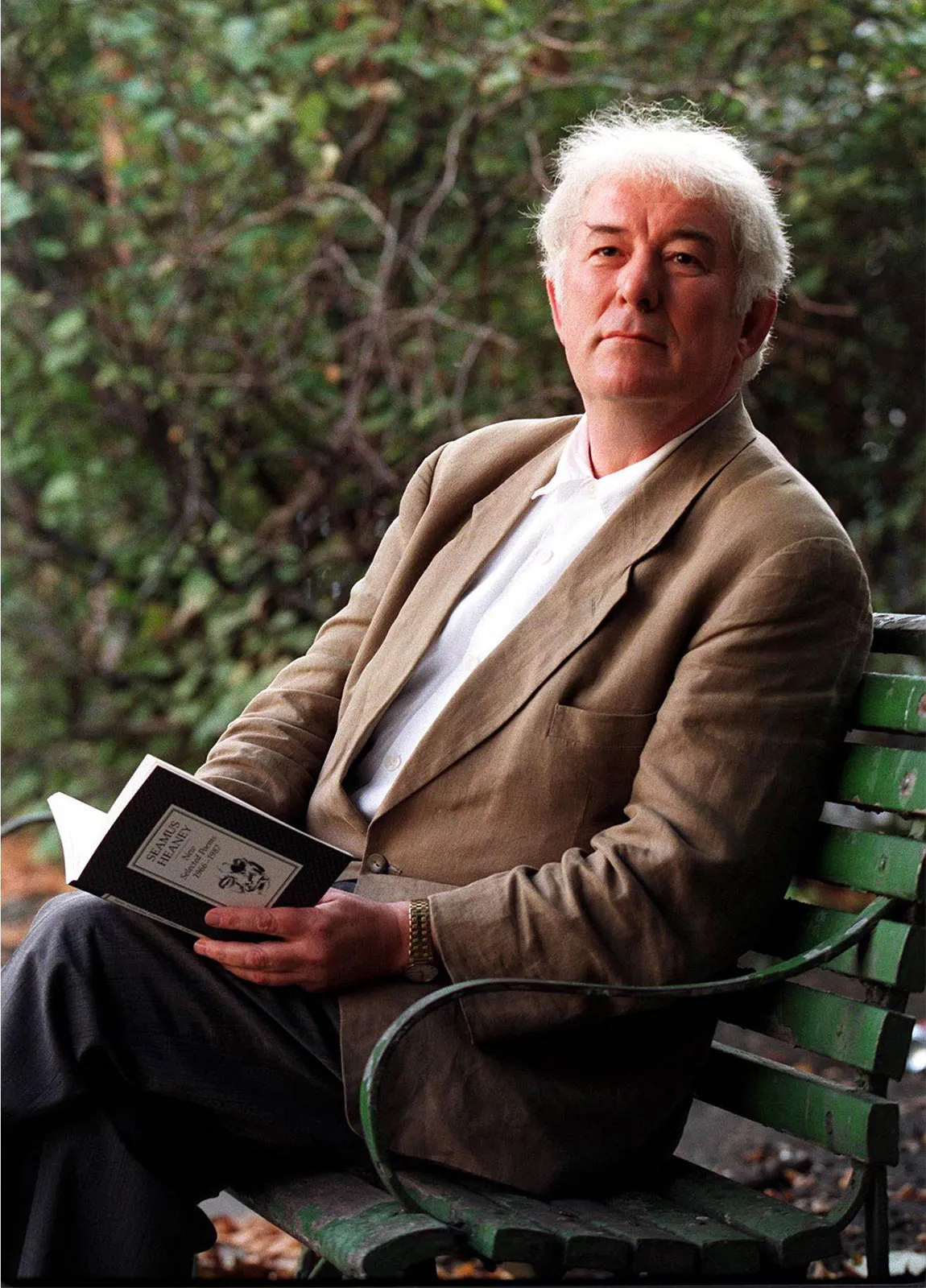
Setting of the Poem
- The poem begins in a boarding school, where the speaker is unexpectedly called home.
- The setting shifts to the family home, where relatives gather in mourning.
- The final scene occurs in a quiet room, where the speaker sees his brother lying in a coffin. The contrast between these settings reflects the speaker's emotional journey—from confusion at school to the overwhelming grief of home and finally to the quiet, heartbreaking moment of acceptance.
Summary
Stanza 1
- The poem opens with the speaker waiting in the college sick bay, unaware of the tragedy.
- The phrase "I sat all morning" suggests the long, anxious wait.
- The knelling of bells hints at something sombre, foreshadowing death.
Stanza 2
- He returns home, where his father is crying, a rare sight as fathers were expected to be strong.
- The phrase "had always taken funerals in his stride" highlights the impact of this loss on the family.
Stanza 3
- The speaker is greeted by old men shaking his hand and offering sympathy.
- He describes their hands as "Big Jim Evans saying it was a hard blow", showing how death is often reduced to clichées.
Stanza 4
- His baby sibling laughs and coos, unaware of the tragedy.
- This contrast between innocence and sorrow highlights the different ways people experience grief.
Stanza 5
- The mother's grief is presented as silent and physical, with the phrase "coughed out angry tearless sighs".
- This contrasts with the father's visible tears, showing different ways of expressing sorrow.
Stanza 6
- The speaker finally sees his brother lying in the coffin.
- The imagery, "He lay in the four-foot box as in his cot," suggests that the child looks peaceful as if sleeping.
Final Line
- The final standalone line delivers an emotional blow:"A four-foot box, a foot for every year."
- This short line emphasises the child's young age, leaving a lasting impact on the reader.