Tertiary Economic Activities (Junior Cert Geography): Revision Notes
📚Revision Notes
Tertiary Economic Activities
Tertiary Activities
Tertiary economic activities involve providing services to people rather than producing goods. This includes services like retailing, transport, tourism, and professional services. As countries develop, more people work in tertiary activities compared to primary or secondary activities.
Tourism
Tourism is a tertiary activity focused on providing travel and leisure services. It has grown in recent years due to several factors:
- People have more disposable income and leisure time, allowing them to travel more often.
- Cheaper air travel and package holidays make it easier for people to afford international holidays.
Positive Impacts of Tourism:
- Tourism creates employment in hotels, restaurants, and shops.
- It brings revenue to an area, improving the standard of living.
- Infrastructure like roads and communication systems improve due to tourism.
- Tourism can also promote cultural exchange and reduce outward migration by providing jobs locally.
Negative Impacts of Tourism:
- Tourism often leads to seasonal employment, with many jobs ending after the tourist season.
- The cost of living can increase as tourism drives up prices for housing and food.
- Services may become overused during peak seasons, leading to shortages.
- Poorly planned tourism can damage the environment and spoil natural landscapes.
- Local culture may be lost in tourist areas, and jobs in tourism are often low-paid.
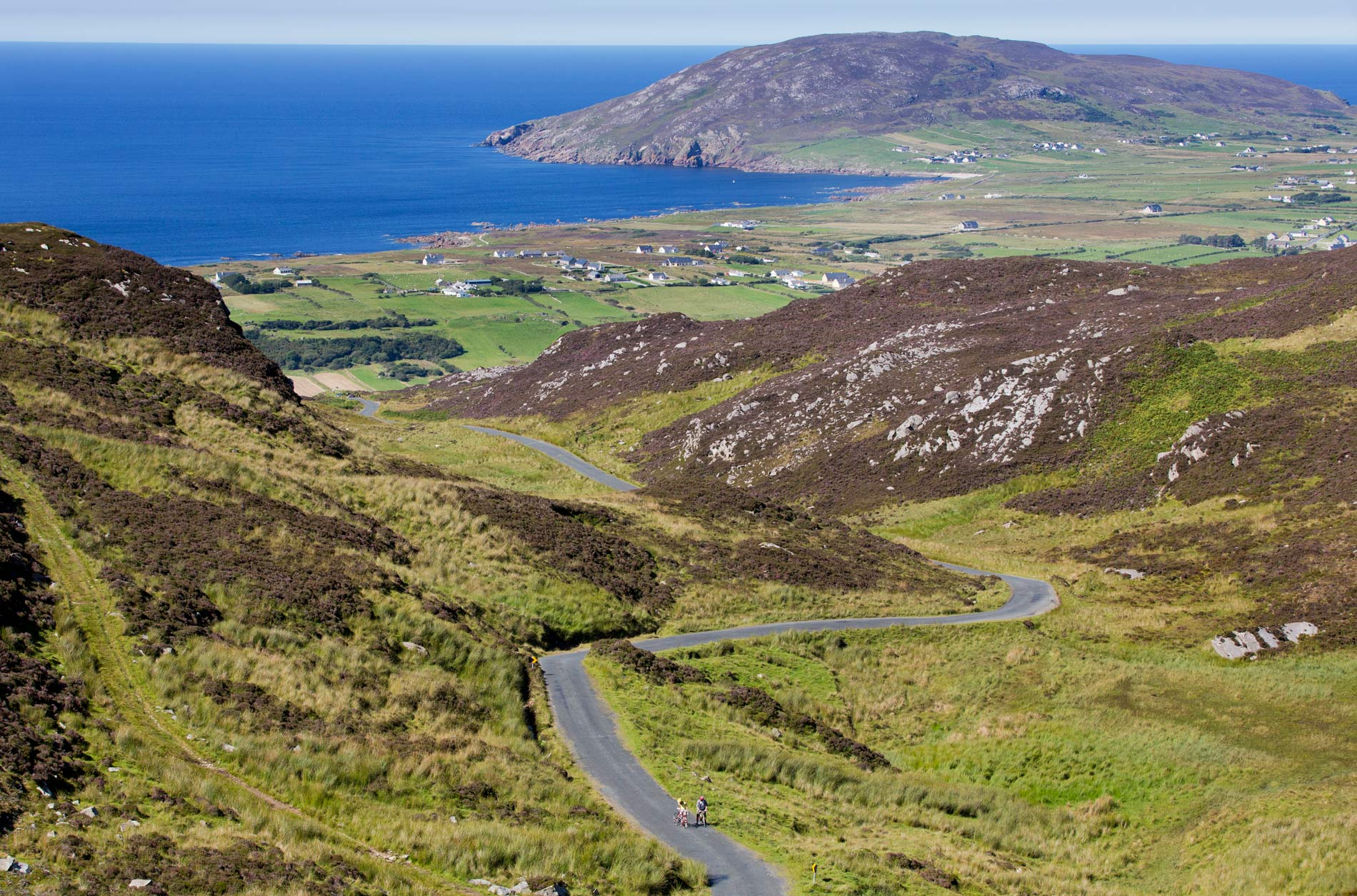
The Wild Atlantic Way is popular with tourists
Transport
Transport refers to the movement of people, goods, and information between different places. It plays a crucial role in connecting settlements, supporting trade, and enabling economic growth. Transport networks include roads, railways, canals, and telecommunications networks.
Ireland's Motorway Network:
- Ireland's road network is radial, meaning it spreads out from Dublin to the rest of the country.
- Historically, ancient routes were used for moving cattle and connecting major settlements. These routes were generally straight and avoided natural obstacles like mountains and bogs.
- During British rule, roads were improved to allow for the movement of soldiers. As Ireland's economy grew, so did the need for better roads.
- Motorways were developed primarily in the 1990s, leading to improved connections between towns and cities across Ireland.
- The improved road network has helped towns develop, especially those near bridging points and dormitory towns that are close to Dublin, such as Wicklow and Kildare.
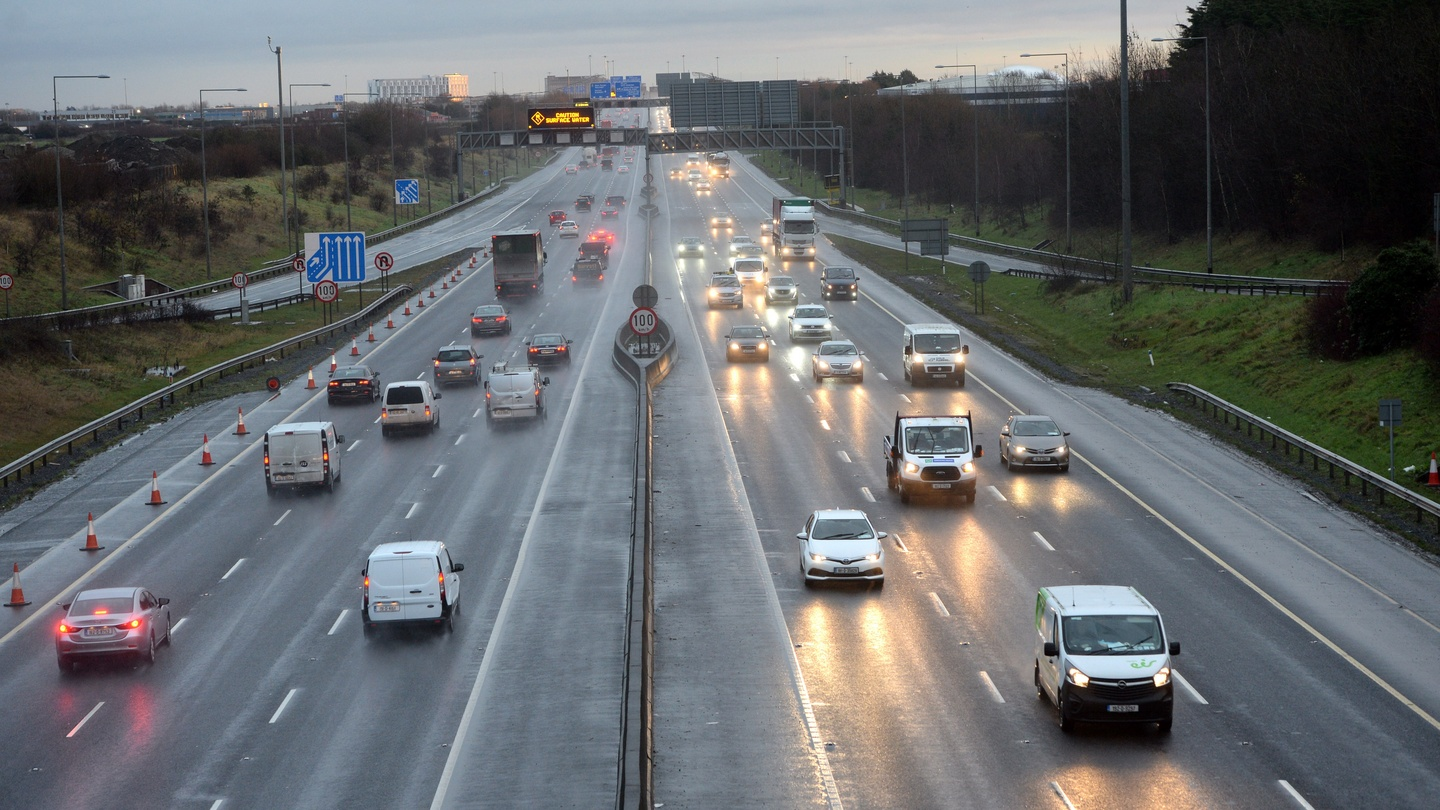
The M50 is Ireland's busiest road