Physical Processes in Dingle (Junior Cert Geography): Revision Notes
📚Revision Notes
Physical Processes in Dingle
In the Dingle Peninsula, located in County Kerry, Ireland, various physical processes have shaped the landscape over millions of years. These processes include weathering, erosion, transportation, and deposition, which work together to create Dingle's unique physical features.
Key Physical Processes
- Weathering:
- Mechanical Weathering: In Dingle's mountainous areas, freeze-thaw weathering occurs when water freezes in rock cracks, expands, and eventually breaks the rocks apart.
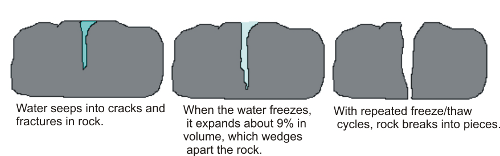
Freeze-thaw weathering
- Chemical Weathering: Acid rain and other chemical reactions break down limestone and other types of rock in Dingle, especially along the coastline.
- Erosion:
- Coastal Erosion: The powerful waves of the Atlantic Ocean constantly erode Dingle's cliffs and coastline, forming sea stacks, sea caves, and arches. Famous examples can be seen along the Clogher Strand and Slea Head Drive.
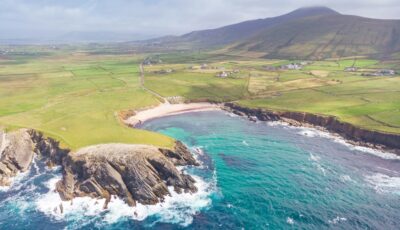
Clogher Strand
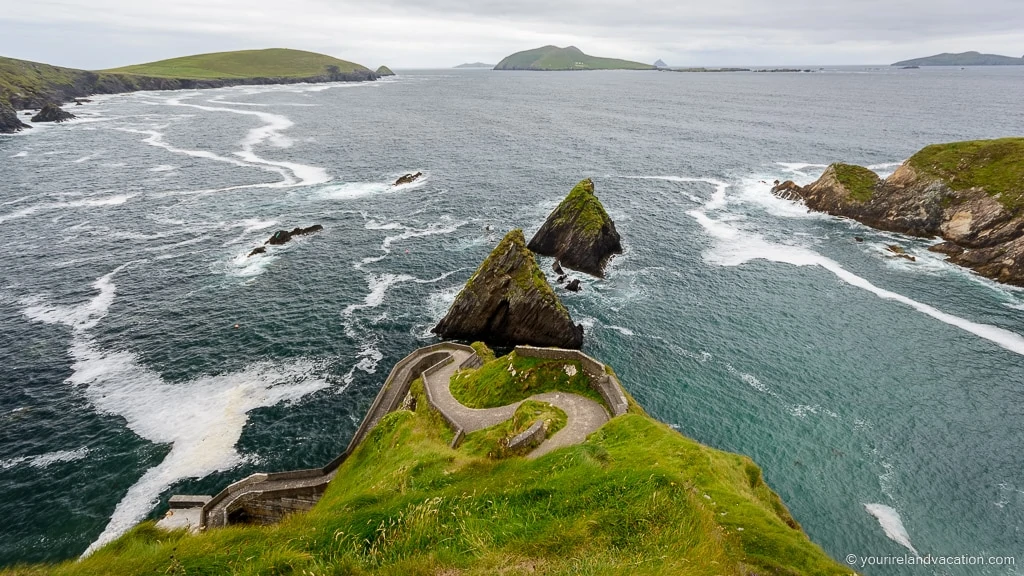
Slea Head Drive, Dingle
- River Erosion: Rivers like the Owenmore River erode valleys and carry sediment from the mountains down to the lowlands. This erosion shapes V-shaped valleys and contributes to soil formation in the lower areas.
- Transportation:
- Eroded materials (sediment, rocks, and sand) are carried by rivers, waves, and wind. In Dingle, rivers transport materials downstream, and ocean currents move sand and rocks along the coastline, reshaping the beaches and bays.
- Deposition:
- When rivers lose energy, they deposit sediment, forming features such as floodplains and deltas. In Dingle, deposition along the coast can create sand dunes and beaches, like those found at Inch Beach.
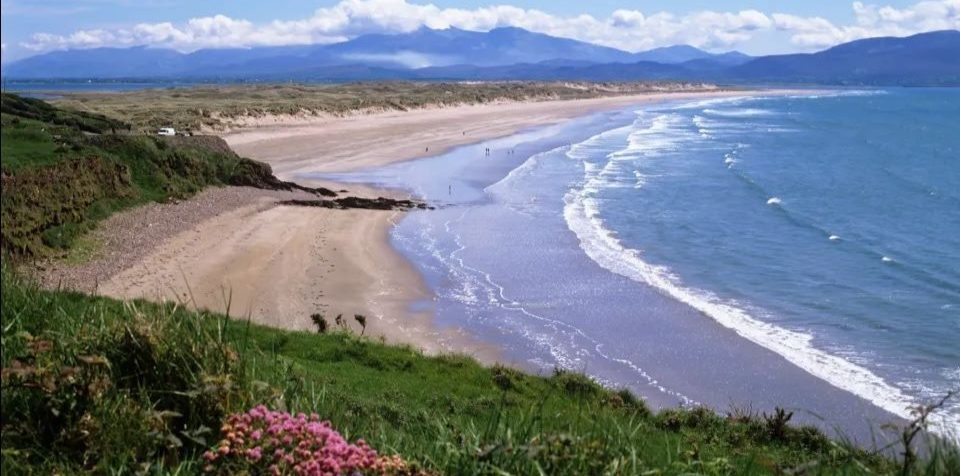
Inch Beach, Dingle
Physical Features in Dingle Formed by These Processes
- Sea Cliffs and Stacks: Created by coastal erosion, especially along the rugged Atlantic-facing cliffs.
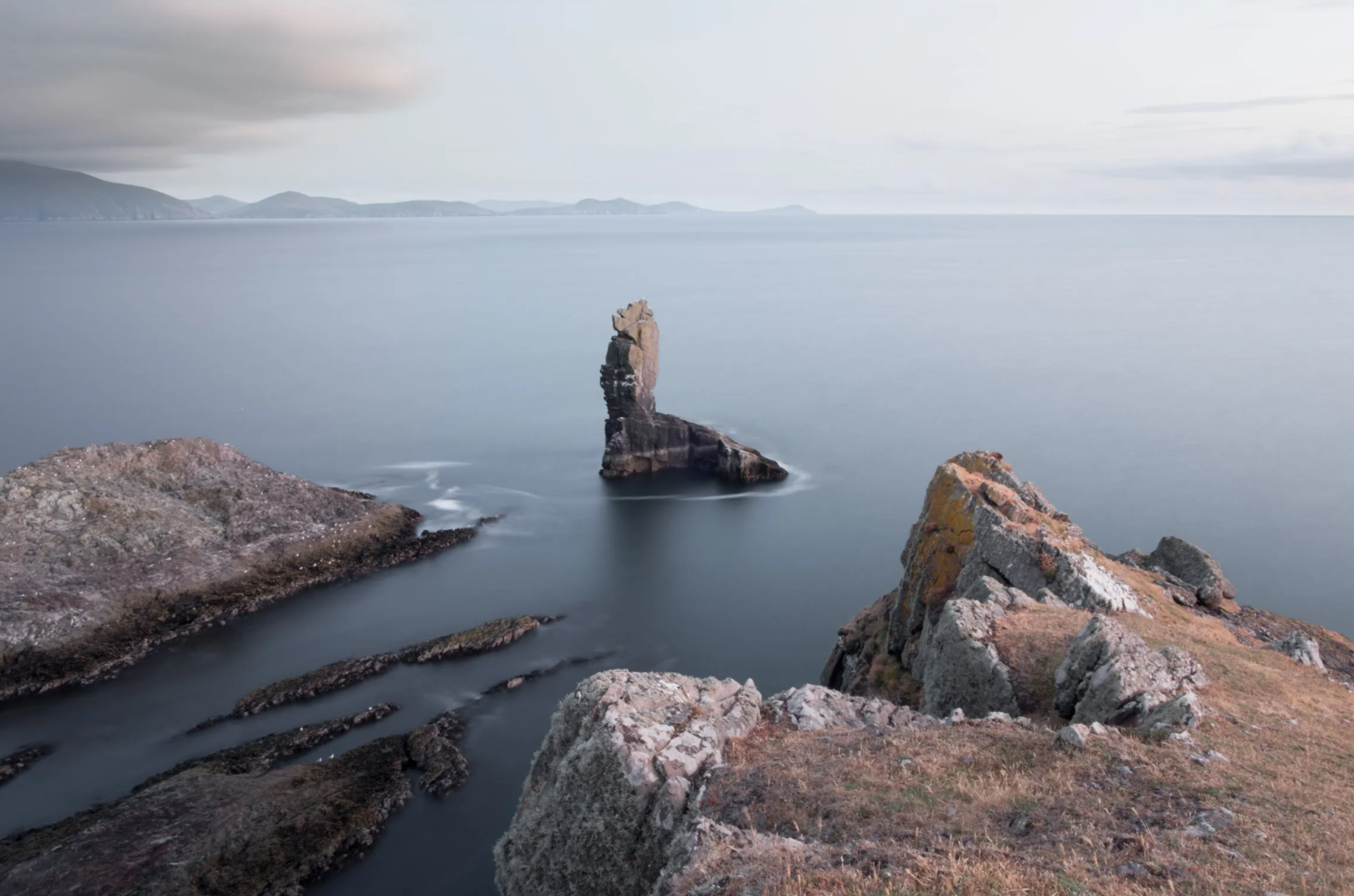
An Searrach near Kinard Beach on the Dingle Peninsula
- Beaches: Formed by the deposition of sand and pebbles. Inch Beach is a famous example.
- Mountains and Valleys: The mountains of Dingle, including Mount Brandon, are shaped by a combination of weathering and erosion, creating dramatic landscapes.
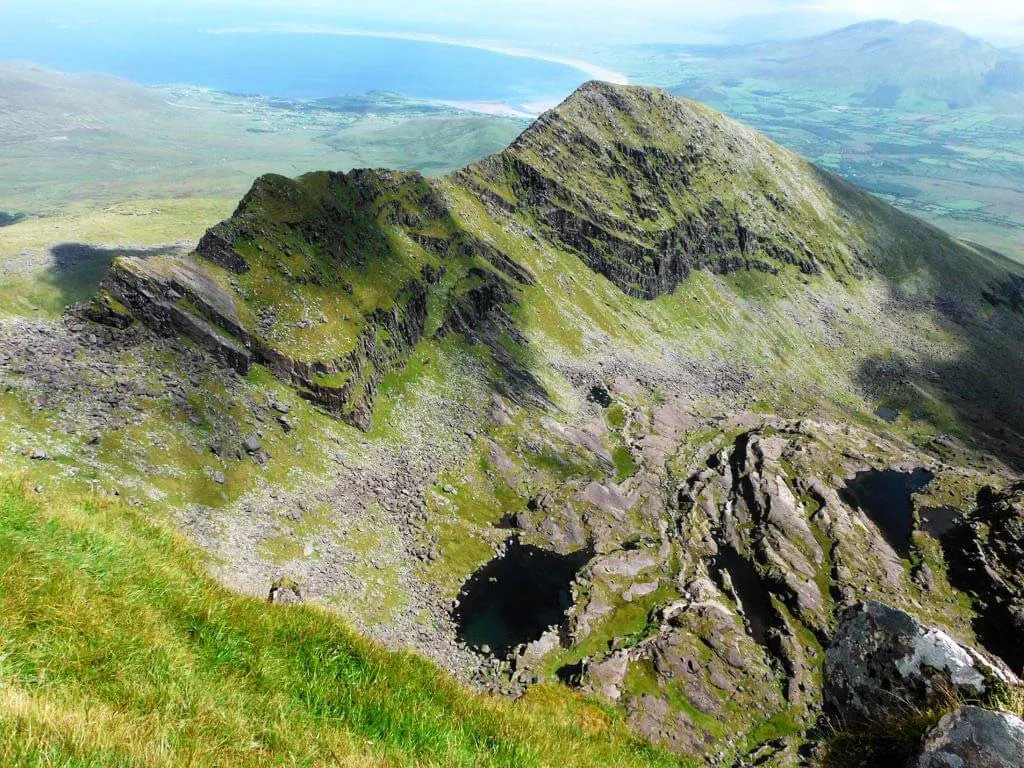
Mount Brandon, Dingle
Note
Importance of Understanding Physical Processes
Studying the physical processes in Dingle helps us understand:
- How landscapes are formed: These processes shape Ireland's unique landscape and contribute to the diversity of landforms.
- Environmental impacts: Coastal erosion can affect human settlements and infrastructure, making it essential to understand these processes for planning and conservation.
- Tourism and Economy: Many of Dingle's natural features attract tourists, making the understanding of these processes important for sustainable tourism and preserving natural attractions.