Responding to Natural Disasters (Junior Cert Geography): Revision Notes
📚Revision Notes
Responding to Natural Disasters
Responding to Natural Disasters
Natural Disasters, such as the 2011 Japan Tsunami, cause significant damage. Governments respond and aim to minimise damage and loss by implementing the following 7 steps:
- Identify Needs: Survivors' basic needs must be met, including food, water, shelter, and sanitation. These are essential for survival, especially in harsh conditions.
- Search and Rescue: Rescue operations are critical in finding people trapped or injured. Quick action is needed as survival chances decrease over time.
- Field Hospitals: Medical personnel provide care to the injured. Field hospitals are often set up if local hospitals are damaged or overwhelmed.
- Recovery of Bodies: Bodies must be recovered, identified, and buried to prevent the spread of disease and help families with closure.
- Co-ordination of Relief Efforts: Organisations and governments must work together to provide emergency aid and co-ordinate efforts to avoid delays in help reaching those in need.
- Rebuilding: After immediate relief, communities need to rebuild. This involves restoring infrastructure, reopening businesses, and rehoming displaced people. This process can take years.
- Learn: After a disaster, it's essential to learn from the experience. Governments and organisations must develop or improve disaster response plans to be better prepared for future events.
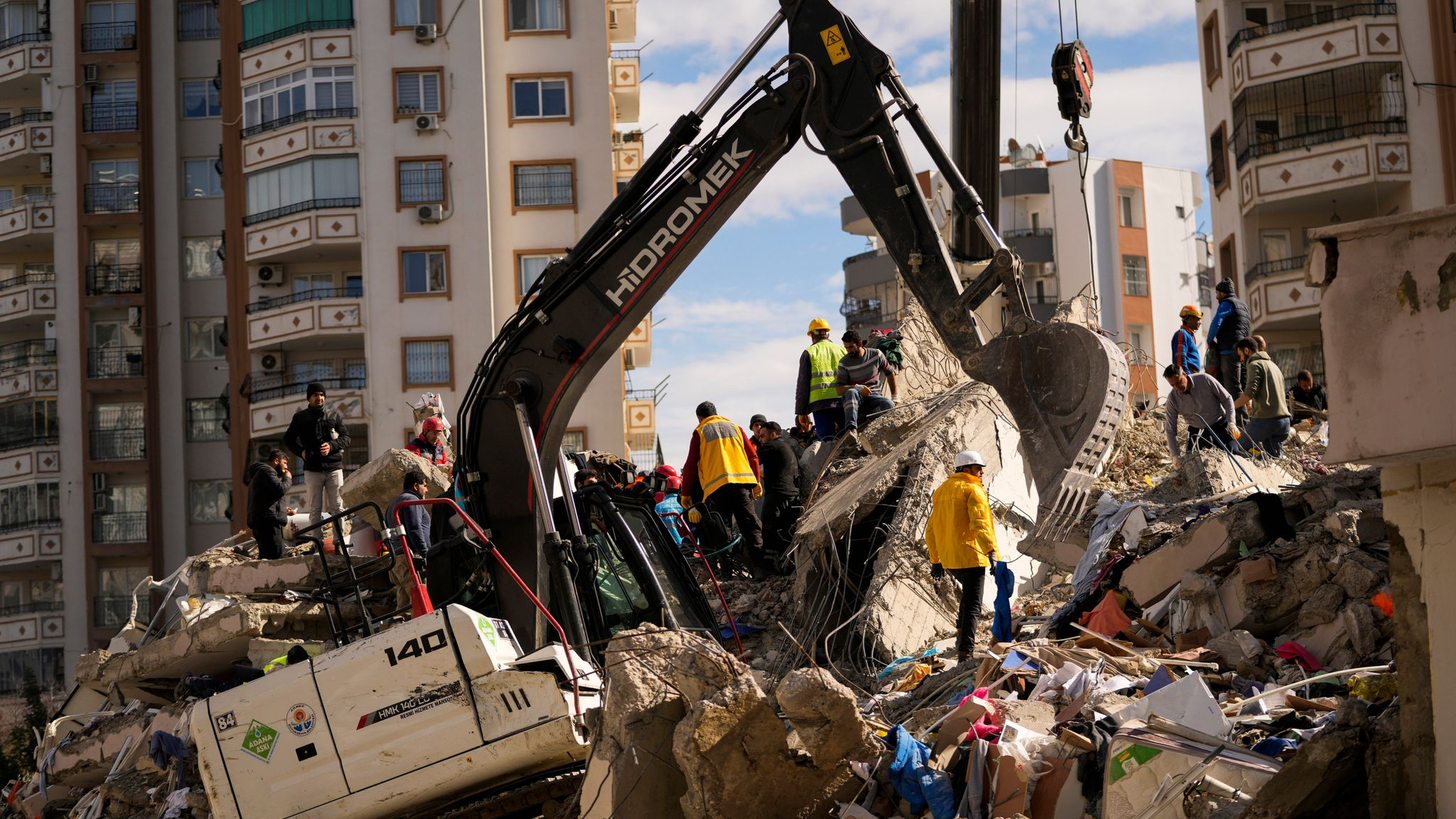
Search and Rescue teams following an Earthquake in Turkey