Early Christian Ireland (Junior Cert History): Revision Notes
📚Revision Notes
Early Christian Ireland
Early Christian Ireland - Important Things to Know
- Christianity first came to Ireland during the time of the Celts, who were pagans. Their spiritual figures were the Druids.
- The earliest official source of Christianity in Ireland is from AD 431 with the arrival of Palladius.
- Between AD 432 and 461, St. Patrick worked in Ireland, converting the pagan Celts to Christianity.
- Monasteries were built, becoming centres of learning. The earliest known Irish monastery was Inis Mór, founded by St. Enda around AD 500.
- Monks lived in small stone huts called beehive huts. Other notable monasteries include Clonmacnoise, Skellig Michael, and Glendalough.
Life in an Irish Monastery (IMPORTANT)
- An oratory was a building where monks attended Mass or prayed.
- A scriptorium was where manuscripts were copied and illustrated.
- A refectory was where monks ate their meals.
- A round tower served as a bell tower and a safe place during attacks.
- A guest house provided accommodation for travellers.
- Monks were buried in a cemetery with simple graves.
- An external circular wall provided protection.
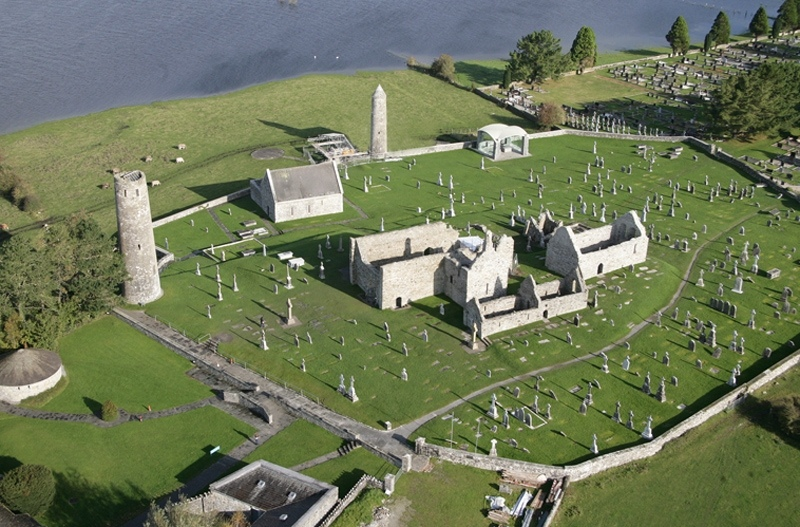
The Art of Early Christian Ireland
- Early monasteries created art to honour God and demonstrate their importance.
- Manuscripts, such as the Book of Kells, were written on parchment or vellum, decorated with Celtic patterns and bright colours.
- Metalwork included crosses, bells, brooches, belts, cups, and chalices like the Ardagh Chalice.
- High Crosses were stone crosses with detailed carvings from the Bible to teach those who could not read.
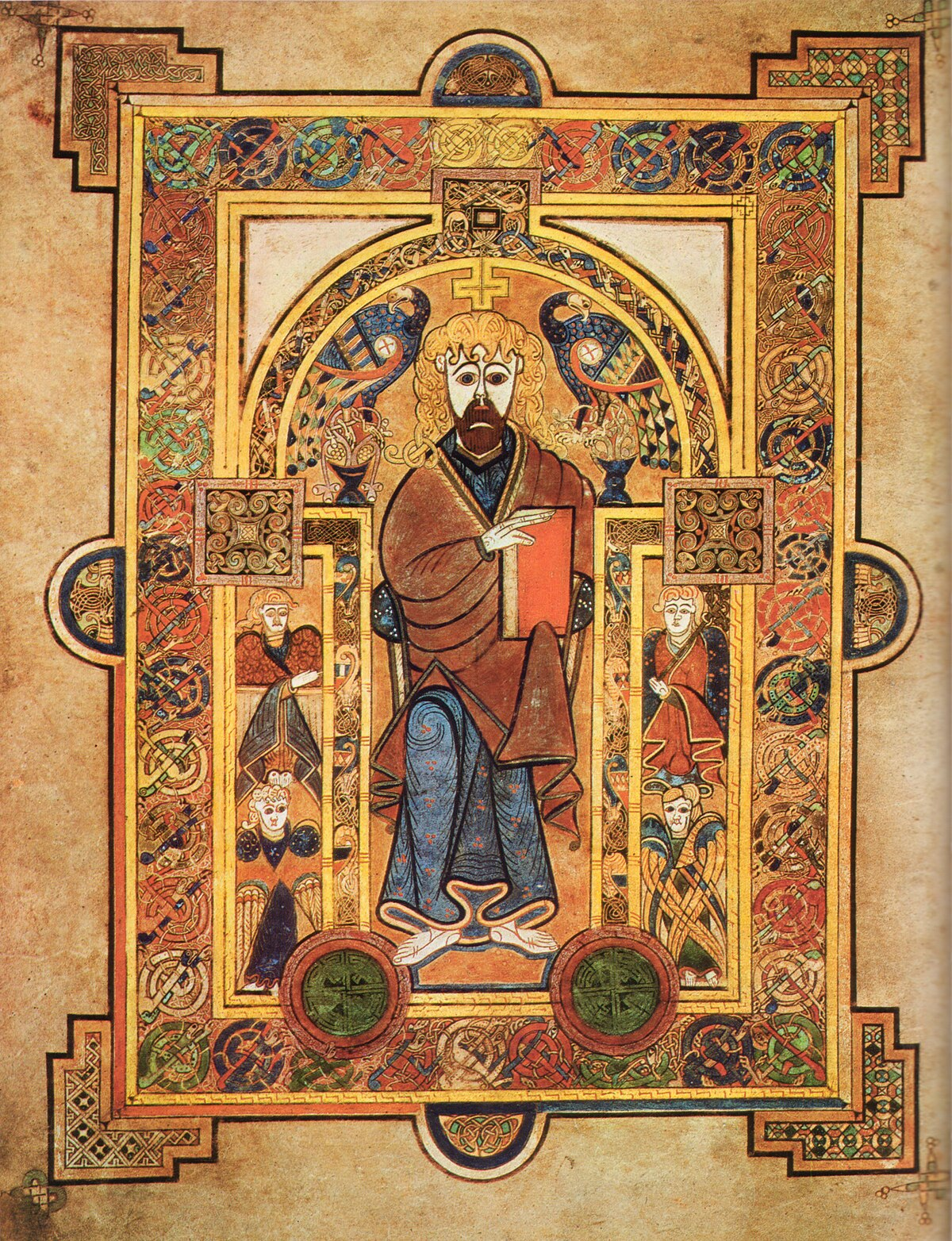
The Book of Kells
Sample Answer on the Influence of Christianity
Christianity has greatly influenced Ireland and the world. When Christianity arrived in Ireland around the 5th century, it brought many changes. Saint Patrick, Ireland's patron saint, is famous for converting the Irish to Christianity. He established churches and promoted literacy and learning. Irish monasteries became centres of education and culture, preserving ancient texts and creating beautiful manuscripts like the Book of Kells.
Christianity shaped Irish society, influencing its laws, art, and culture. Many Irish saints and missionaries, such as Saint Columba, travelled across Europe, spreading Christianity and founding monasteries. This helped with cultural and educational exchange across the continent.
Many places across the world celebrate St.Patrick's Day to this day, which is great for Irish identity. However Christianity has also influenced a lot of violence and oppression in Ireland, from Plantations, to Penal Laws to the Troubles.
Key Terms
- Christianity: The religion first brought to Ireland by Palladius and Saint Patrick
- St. Patrick: St. Patrick was a Christian missionary and bishop known for spreading Christianity in Ireland during the 5th century
- Monasteries: Monasteries are religious communities where monks or nuns live, work, and pray, often dedicated to spiritual practice and learning.
- Manuscripts: Manuscripts are handwritten documents, often ancient texts, books, or scrolls, created before the invention of printing.
- Vikings were Scandinavian warriors and explorers from the 8th to 11th centuries known for their raids, trade, and settlements in various parts of Europe.
Exam Focus- Revision Questions
- What religion did St. Patrick help spread in Ireland?
- True or False: The Celts were Christians before St. Patrick arrived.
- What is a beehive hut?
- Fill in the blank: The earliest known Irish monastery was _______.
- What was the purpose of a scriptorium?
- True or False: A round tower was used for cooking in monasteries.
- What was the Book of Kells written on?
- Fill in the blank: Metalwork from early Christian Ireland includes the _______ Chalice.
- What was a high cross used for?
- True or False: The Vikings built monasteries in Ireland.
| Oratory | A building where monks attended Mass or prayed. |
|---|---|
| Scriptorium | A place where manuscripts were copied and illustrated. |
| Refectory | A place where monks ate their meals. |
| Round Tower | Served as a bell tower and a safe place during attacks. |