Archaeology (Junior Cert History): Revision Notes
📚Revision Notes
Archaeology
What is Archaeology?
-
Archaeology is the study of remains left by people in the past.
-
Excavation involves digging up the ground to find these remains. Reasons for excavation include:
- Aerial photographs showing structures.
- Research archaeology using old documents or maps.
- Rescue archaeology to save evidence before new construction.
-
Conditions like extreme dryness or airlessness help preserve evidence.
The Job of the Archaeologist
Archaeologists follow steps like surveying, carefully removing soil, recording artefacts' locations, and transporting them to museums.
Why is the job of an Archaeologist Important?
- An archaeologist has a super important job that helps us to understand our past.
- They dig up ancient artefacts, buildings, and even entire cities that have been buried for hundreds or thousands of years.
- By studying these discoveries, archaeologists piece together how people lived, what they ate, what tools they used, and even what they believed in.
- This work helps us learn about different cultures and civilizations, some of which have long disappeared.
- Archaeologists also help to preserve history. By carefully excavating sites and preserving artefacts, they protect valuable information from being lost forever.
- Their findings can be displayed in museums, where everyone can learn about and appreciate human history. In short, archaeologists are like detectives of the past, uncovering clues that tell the story of humanity. This helps us understand where we come from and can even teach us lessons about our world today.
Skills and Methods Used in Archaeology (IMPORTANT)
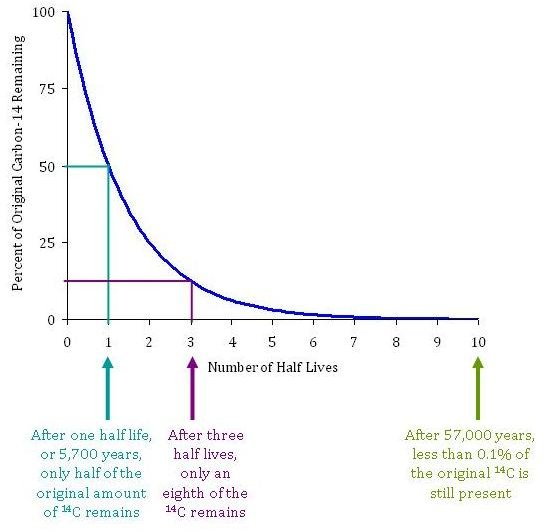
- Radiocarbon (carbon-14) dating: Measures the amount of carbon-14 to determine age.
- Dendrochronology: Dating method using tree rings.
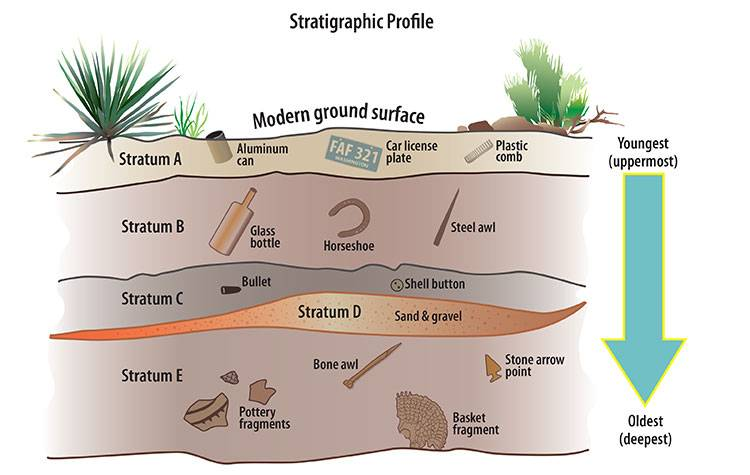
- Stratigraphy: Dating based on how deep artefacts are buried.
- Pollen analysis: Studies pollen to understand what was growing at a site.
- Geophysical survey: Analyses the ground for artefacts and structures.
- DNA testing: Reveals origins and ethnicity of people.
- 3D reconstruction: Uses computer models to recreate faces from skulls.
- Examining bones: Provides information about a person's sex, age, height, and diet.
- Conservation: Protecting and preserving historical objects and structures to prevent decay.
Key Terms
- Archaeology is the study of human history by digging up and examining physical remains like artefacts and buildings.
- Excavation is the process of digging up a site to uncover buried artefacts, structures, and other historical evidence.
- Radiocarbon dating is a method used to determine the age of ancient objects by measuring the amount of carbon-14 they contain.
- Dendrochronology is the study of tree rings to date events and environmental changes, helping us understand the past.
- Conservation is the preservation and protection of ancient artefacts, structures, and sites to keep them safe for future generations.
Exam Focus - Revision Questions
- What is archaeology the study of?
- True or False: Excavation is the process of digging up ground to find historical remains.
- What is rescue archaeology?
- Fill in the blank: An aerial photograph can show lines of a structure in the _______.
- What does stratigraphy involve?
- True or False: Dendrochronology uses tree rings for dating.
- What is the purpose of pollen analysis?
- Fill in the blank: _______ testing can tell us about a person's origins and ethnicity.
- What does 3D reconstruction use to recreate a person's face?
| Archaeology | the study of remains left by people in the past. |
|---|---|
| Radiocarbon (carbon-14) dating | measures the amount of carbon-14 to determine age. |
| Dendrochronology | dating method using tree rings. |
| Conservation | protecting and preserving historical objects and structures to prevent decay. |