Encomienda System (Junior Cert History): Revision Notes
📚Revision Notes
Encomienda System
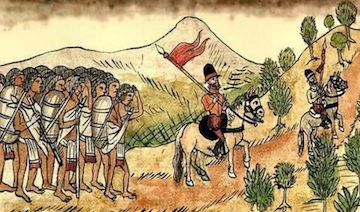
- The encomienda system was a labour system used in the Spanish colonies in the Americas during the 16th and 17th centuries.
- Under this system, Spanish colonisers were granted the right to demand tribute and labour from the indigenous people living in a particular area in exchange for protection and Christian conversion.
- Encomenderos, or the Spanish landowners who were granted this right, were expected to oversee the indigenous populations' welfare and use their labour to benefit both the encomendero and the Spanish Crown.
- However, in practice, the system often led to the exploitation and abuse of indigenous people, who were forced to work long hours in harsh conditions and were often subjected to violence and disease.
- The encomienda system was eventually replaced by other forms of forced labour, such as the repartimiento and the hacienda system.
- Still, its legacy continues to be felt in Latin America's social, economic, and cultural disparities between indigenous and non-indigenous populations.
Note
Repartimiento System The repartimiento system replaced the encomienda. It began in the mid-16th century. It was another form of forced labour. Natives were required to work for the Spanish for a set number of weeks each year. They were paid low wages, and the conditions were still poor.
Note
Hacienda System The hacienda system started in the late 16th century. Large estates called haciendas were owned by Spanish settlers. Native people worked on these estates. They were often treated like serfs, tied to the land and working for the estate owner. While the hacienda system lasted longer, it still involved exploitation and limited freedom for the natives.