Ireland 1884-1914 - Culture, Sport & Home Rule (Junior Cert History): Revision Notes
📚Revision Notes
Ireland 1884-1914 - Culture, Sport & Home Rule
Cultural Nationalism
Cultural nationalism focuses on promoting a national identity shaped by shared cultural traditions and language.
During the late 19th and early 20th centuries, many Irish nationalists felt that Ireland was becoming too anglicised, with English culture spreading and influencing Irish life.
This movement aimed to revive and promote Irish culture, language, and traditions.
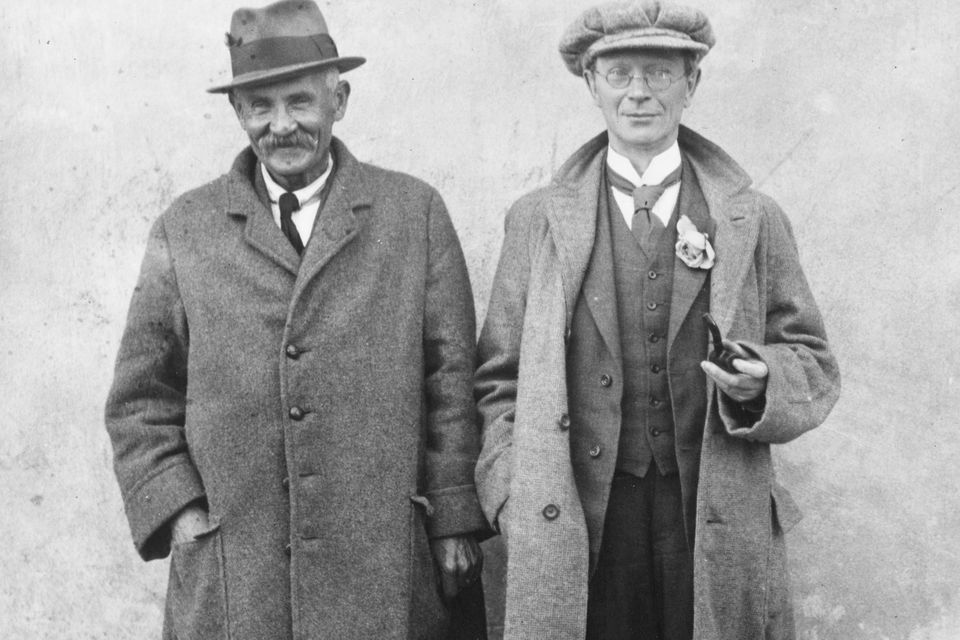
The Gaelic League
- Founded in 1893 by Eoin MacNeill and Douglas Hyde, the Gaelic League aimed to promote the Irish language and preserve Irish culture.
- The League published the newspaper An Claidheamh Soluis (The Sword of Light), which featured poems, stories, and articles in Irish. It also trained travelling teachers (timirí) to teach Irish in local communities and organised feiseanna (festivals) and céilidhe (social gatherings) to encourage traditional Irish music and dancing.
- The Gaelic League played a crucial role in the cultural revival of Ireland, fostering a sense of pride and identity among the Irish people.
The Irish Literary Revival
- The Irish Literary Revival was a movement to promote Irish literature, led by figures such as William Butler Yeats and Lady Gregory.
- This movement focused on writing literature that, though often in English, was inspired by Irish themes, ancient myths, and contemporary society.
- The Irish Literary Society was founded in 1892, and the Irish Literary Theatre opened in 1899, followed by The Abbey Theatre in Dublin in 1904.
- The Abbey Theatre staged plays like Kathleen ní Houlihan and The Playboy of the Western World, which celebrated Irish heritage and reflected the political and social issues of the time.
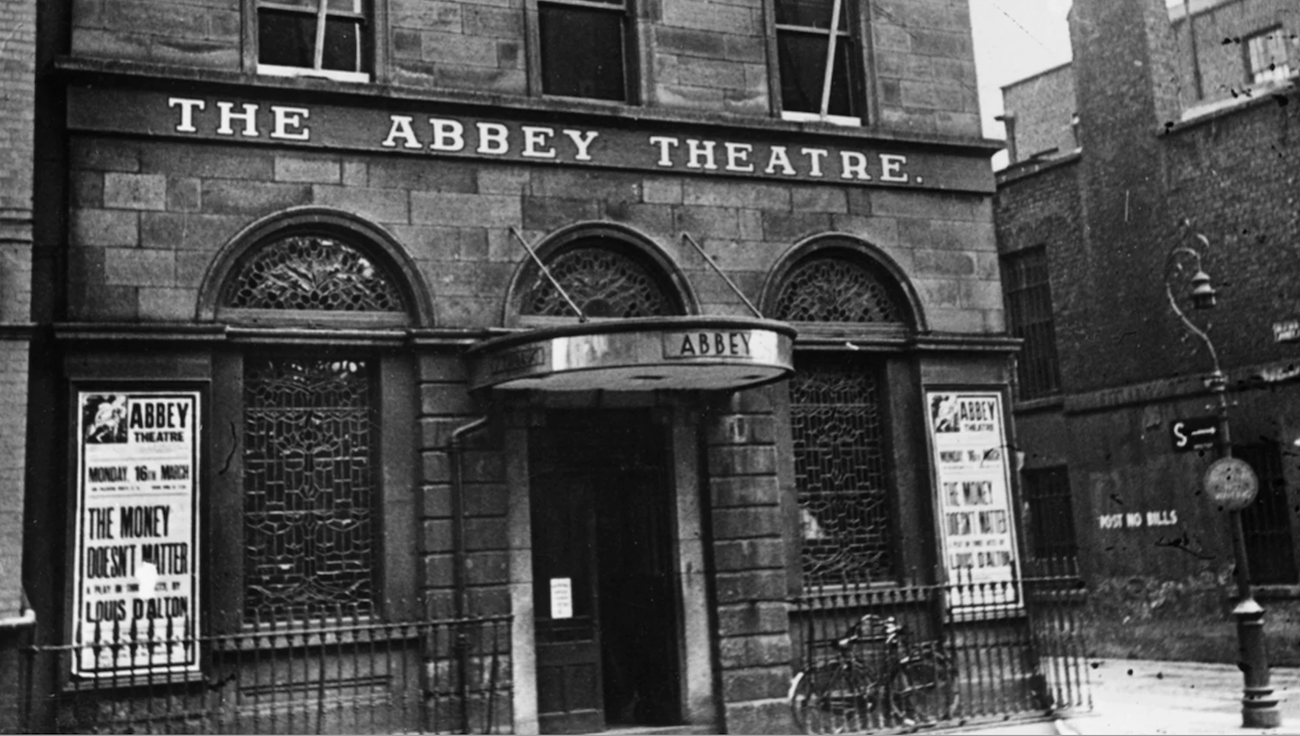
- The Abbey Theatre staged plays like Kathleen ní Houlihan and The Playboy of the Western World, which celebrated Irish heritage and reflected the political and social issues of the time.
The GAA and Its Role in Irish Life
- In the late 19th century, English sports like tennis, cricket, soccer, and rugby were popular in Ireland, while traditional Irish sports were declining.
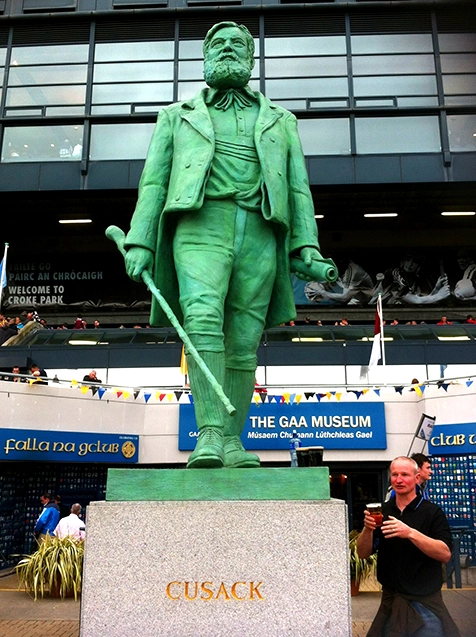
- On November 1, 1884, Michael Cusack called a meeting in Thurles, Tipperary, which led to the foundation of the Gaelic Athletic Association (GAA).
- The GAA aimed to revive and promote Irish sports such as hurling, Gaelic football, handball, athletics, and weightlifting.
- Maurice Davin became its first president, and Michael Cusack its secretary. Patrons of the GAA included Charles Stewart Parnell, Michael Davitt, and Archbishop Thomas Croke.
- The GAA banned people from participating in Gaelic sports if they also played or attended "foreign sports" like cricket or soccer.
- The organisation also promoted the Irish language, linking sport and nationalism and fostering a sense of Irish identity and pride.
Ireland 1884-1914: Home Rule
Ireland in the 1800s: A Divided Culture
By the late 1800s, 77% of Ireland's population was Catholic. According to the 1911 Census, Catholics made up 89.6% of the population in Leinster, Munster, and Connacht, and 44% in Ulster.
Politically, Ireland was ruled from Westminster since the Act of Union (1801), which divided political alliances into Nationalists and Unionists.
Nationalists
Nationalists believed in an independent Ireland.
- Constitutional nationalists sought change through political means, while radical nationalists supported full independence, using force if necessary.
- The Home Rule Party, founded by Isaac Butt in 1874, sought a parliament in Dublin for local affairs.
- Leaders included Charles Stewart Parnell and John Redmond.
- The Irish Republican Brotherhood (IRB), founded in 1858, sought a republic through a secret, oath-bound society known as the Fenians.
Unionists
Unionists wanted Ireland to remain part of the UK.
- Unionism was strong in the northeast, where people feared that "Home Rule is Rome Rule" and that it would harm the economy.
- Leaders included James Craig and Edward Carson.
The Home Rule Bills
- First Home Rule Bill (1886): Proposed by William Gladstone, it was defeated.
- Second Home Rule Bill (1893): Passed in the House of Commons but blocked by the House of Lords.
- Third Home Rule Bill (1912): Introduced by Herbert Asquith, it passed due to the Parliament Act (1911) but was delayed by World War I.
Unionist Reaction
Unionists opposed Home Rule, organising protests and signing the Ulster Solemn League and Covenant.
The Ulster Volunteer Force (UVF) was formed in 1913, smuggling arms from Germany in the Larne gun-running operation.
Nationalist Reaction
In response, nationalists founded the Irish Volunteer Force (IVF) in 1913, also smuggling arms in the Howth gun-running.
However, the outbreak of World War I in 1914 postponed the implementation of Home Rule.
Key Terms
- Cultural nationalism: the promotion of a nation's culture and heritage to foster a sense of national identity and pride, often in opposition to foreign influence or domination.
- Anglicisation: Anglicisation is the process of adopting English language, culture, and customs, often at the expense of native traditions and languages.
- Gaelic League: an organisation founded in 1893 to promote the Irish language and preserve Irish culture and heritage.
- William Butler Yeats: an Irish poet and playwright who was a key figure in the Irish Literary Revival and contributed to the cultural nationalism movement.
- GAA (Gaelic Athletic Association) is an organisation founded in 1884 to promote traditional Irish sports such as Gaelic football and hurling.
- Home Rule Party: a political party that sought self-government for Ireland within the United Kingdom.
- Irish Republican Brotherhood: The (IRB) was a secret revolutionary organisation founded in 1858 that aimed to establish an independent Irish republic through armed rebellion.
- Unionists: those in Ireland, particularly in the northern provinces, who supported maintaining political union with Great Britain and opposed Irish independence.
- Third Home Rule Bill: This bill was a piece of legislation passed in 1912 that proposed giving Ireland self-government within the United Kingdom, but its implementation was delayed due to World War I.
- Ulster Volunteer Force: (UVF) was a paramilitary group formed in 1913 by Unionists in Ulster to resist the implementation of Home Rule for Ireland.
Revision Questions
- What is cultural nationalism?
- True or False: The Gaelic League aimed to promote the English language.
- Who were the founders of the Gaelic League?
- Fill in the blank: The Irish Literary Theatre opened in _______.
- What was the GAA founded for?
- True or False: The Home Rule Party was founded by Isaac Butt.
- What did the IRB aim for?
- Fill in the blank: Unionists feared that Home Rule would be _______ Rule.
- Who introduced the Third Home Rule Bill?
- True or False: The outbreak of WWI delayed the implementation of Home Rule.