The Kornilov Affair (Junior Cert History): Revision Notes
📚Revision Notes
The Kornilov Affair
-
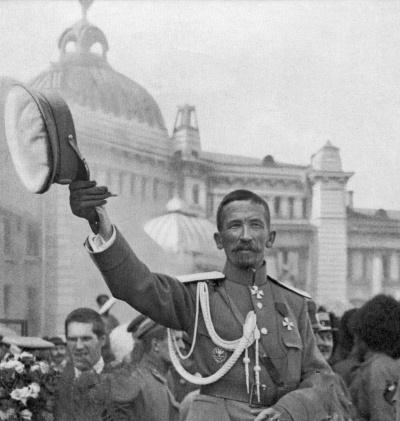
Setting the Stage: In August 1917, Russia was in the throws of the Russian Revolution, and the Provisional Government struggled to maintain control. General Lavr Kornilov, a respected Russian military leader, believed the Provisional Government was too weak and that Russia was in danger of a Bolshevik uprising.
-
Kornilov's Plan: Kornilov planned to march his troops into Petrograd (modern-day St. Petersburg), the capital of Russia at the time, to "restore order" and to dissolve the Petrograd Soviet, which was a powerful council of workers and soldiers that he saw as a threat.
-
Miscommunication: There was a major communication breakdown between Kornilov and Alexander Kerensky, the head of the Provisional Government. Kornilov thought he had Kerensky's blessing for his plan, but Kerensky saw Kornilov's actions as a military coup.
-
Kerensky's Response: Kerensky fired Kornilov from his position and armed the Petrograd workers to defend the city. This move unintentionally strengthened the Bolsheviks, who were at the forefront of the defence.
-
Aftermath: Kornilov's troops never reached Petrograd due to a lack of support and the railway workers' sabotage. Kornilov was arrested, and the failed coup resulted in a surge of support for the Bolsheviks, who promised to end the war and give land to the peasants. This event was a significant step towards the Bolsheviks' seizure of power in the October Revolution.
Note
A military coup is a sudden and illegal takeover of a government by the military. In a coup, the armed forces seize control of the country, often replacing the existing leadership with military officers.