Hitler Youth: A Case Study (Junior Cert History): Revision Notes
📚Revision Notes
Hitler Youth: A Case Study
Founding: The Hitler Youth, or Hitlerjugend, was founded in Germany in 1926. It started as a small branch of the larger National Socialist German Workers' Party (NSDAP), commonly known as the Nazi Party.
Membership: Initially, membership was voluntary, but it eventually became virtually mandatory. In 1936, membership in the Hitler Youth became compulsory for all boys and girls aged 10 to 18.
Purpose: The main purpose of the Hitler Youth was to indoctrinate young people into the ideologies of the Nazi Party. The goal was to build a generation loyal to Hitler and ready to serve the state in whatever necessary capacity.
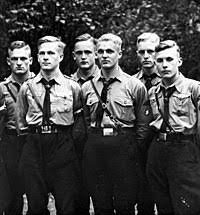
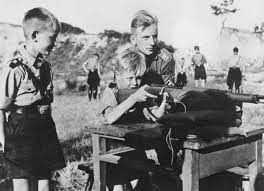
Activities: Activities in the Hitler Youth were designed to promote physical fitness, discipline, and militarism. The organisation also fostered the Nazi racial ideology and anti-Semitism among its members.
Leadership Training: The Hitler Youth was about indoctrination and leadership training. The most promising members were given opportunities to lead and were often moved into significant positions within the Nazi Party as they grew older.
Expansion: The organisation expanded rapidly after Hitler came to power in 1933. By 1939, it had approximately 7.3 million members, making it the largest youth organisation in the world at the time.
Female Division: A female division of the Hitler Youth was known as the League of German Girls (Bund Deutscher Mädel). This group focused on physical fitness and preparing girls for their roles as mothers and homemakers within the Nazi ideology.
Involvement in WWII: During World War II, the Hitler Youth was involved in combat and other war efforts. Some members served as messengers, spies, and even frontline troops, particularly towards the war's end when manpower was dwindling.
After the War: After Germany's defeat in 1945, the Allied Control Council disbanded the Hitler Youth and declared it a criminal organisation due to its role in supporting the Nazi war effort.
Legacy: Despite its criminal status post-war, the Hitler Youth's impact on its members was significant and lasting. Many members found it hard to adjust to post-Nazi Germany, having been thoroughly indoctrinated into Nazi ideology from a young age.
Success or Failure?
In terms of its stated goals – indoctrinating youth into Nazi ideology, preparing them for service to the state, and creating a generation loyal to Hitler – the Hitler Youth was quite successful. However, the human cost was substantial, and the organisation contributed significantly to the atrocities committed during the Holocaust and World War II. From a broader historical perspective, the Hitler Youth is generally regarded as a tragic manifestation of Nazi manipulation and indoctrination.
Note
Indoctrinate To indoctrinate means to teach someone to accept a set of beliefs uncritically. It involves instilling specific ideologies or doctrines in a way that discourages questioning or independent thought, often using repetitive teaching methods and propaganda. The focus is on ensuring individuals adopt particular viewpoints and values as absolute truths.