Hitler’s Rise to Power (Junior Cert History): Revision Notes
📚Revision Notes
Hitler's Rise to Power
A number of key factors led to Adolf Hitler's rise to Fascist power in the early-mid 1930's. Here are 10 key points on key causes and the early stages of his rule.
- Treaty of Versailles: The Treaty of Versailles, signed in 1919, blamed Germany for World War I and demanded huge reparations, causing severe economic problems and resentment among Germans. Many felt it was unfair and humiliating, making them open to radical solutions.
- Economic Hardship: Germany experienced hyperinflation in the early 1920s and then was hit by the Great Depression in 1929. Many Germans were unemployed and struggling, which led to anger, fear, and desperation.
Note
Germany experienced hyperinflation in the early 1920s, where prices skyrocketed and money lost its value rapidly, making everyday goods extremely expensive. Later, in 1929, Germany was hit by the Great Depression, a severe global economic downturn that led to massive unemployment and poverty.
- Failure of the Weimar Republic: Germany's new democratic government, known as the Weimar Republic, had many problems after World War I. It was seen as weak, unstable, and unable to solve the country's problems, causing people to lose faith in democracy.
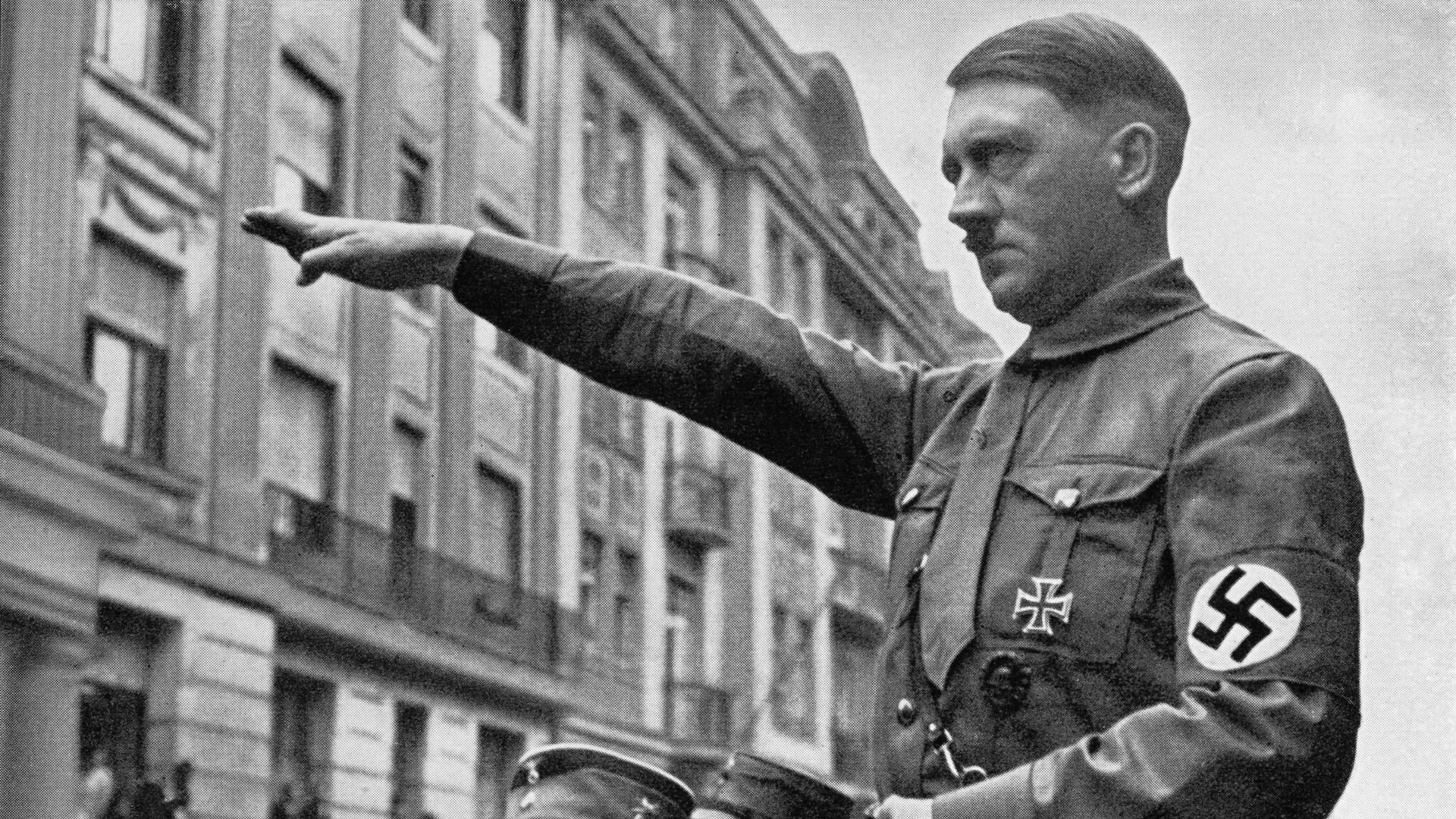
- Hitler's Charisma and Public Speaking: Adolf Hitler, the leader of the Nazi Party, was a charismatic speaker. He convinced people that he could solve Germany's problems and restore its pride and status worldwide.
- Propaganda and the Nazi Party: The Nazi Party, with Hitler at its head, used propaganda effectively to spread its ideas and gain support. They blamed Germany's problems on the Jews, communists, and the Treaty of Versailles and promised to make Germany strong and respected again.
- Scapegoating: Hitler and the Nazis used anti-Semitic rhetoric to blame Jews for Germany's problems. This scapegoating created a common enemy, which helped unite many Germans behind the Nazi Party.
Note
Propaganda is information, often biased or misleading, used to promote a political cause or point of view. In the context of Hitler and the Nazis, propaganda was used to manipulate public opinion, spread Nazi ideology, and demonise enemies like Jews and communists. The Nazis used films, posters, radio broadcasts, and rallies to influence and control the German population, fostering support for their regime and policies.
- Brownshirts and Violence: The SA (Sturmabteilung), also known as the Brownshirts, was the Nazi Party's paramilitary organisation. They used violence and intimidation against the Nazis' political enemies to create an atmosphere of fear.
- Enabling Act of 1933: In March 1933, the Enabling Act was passed, which gave Hitler the power to make laws without the Reichstag (German Parliament), effectively making him a dictator.
- Reichstag Fire: The Reichstag building was set on fire in February 1933, and a Dutch communist was blamed for the act. Hitler used this event to convince President Hindenburg to pass an emergency decree, suspending many civil liberties and giving Hitler more power.
- Political Manoeuvring: Hitler was appointed as Chancellor in January 1933 by President Paul von Hindenburg. While Hindenburg hoped to control Hitler by including him in the government, Hitler was able to outmanoeuvre his political rivals and consolidate power. By the end of 1933, Hitler and the Nazis had control over Germany.