The Renaissance (Junior Cert History): Revision Notes
📚Revision Notes
The Renaissance
What was the Renaissance?
- The Renaissance (meaning 'rebirth') was a period of renewed interest in the civilisations of Ancient Greece and Rome.
- It involved questioning old ideas from the Middle Ages and developing new ideas in art, architecture, science, literature, and medicine.
The Causes of the Renaissance
Italy was the birthplace of the Renaissance due to several factors:
- The ruins of the Roman Empire inspired Italians.
- The fall of Constantinople in 1453 brought Greek scholars to Italy with ancient manuscripts.
- Wealth from trade allowed Italian merchants to invest in art and architecture.
- Travellers like Marco Polo brought new ideas from China, India, and Arabia.
- Competition between Italian city-states like Florence and Venice led to artistic patronage.
- Patrons such as the Catholic Church and the Medici family commissioned artworks.
Changes in Art
- Medieval Art: Mainly religious imagery, painted on wooden panels or frescoes, flat and 2D, unrealistic figures.
- Renaissance Art: Included religious and secular themes, painted on canvas, used oil for a sfumato effect, realistic anatomy, and perspective for a 3D effect.
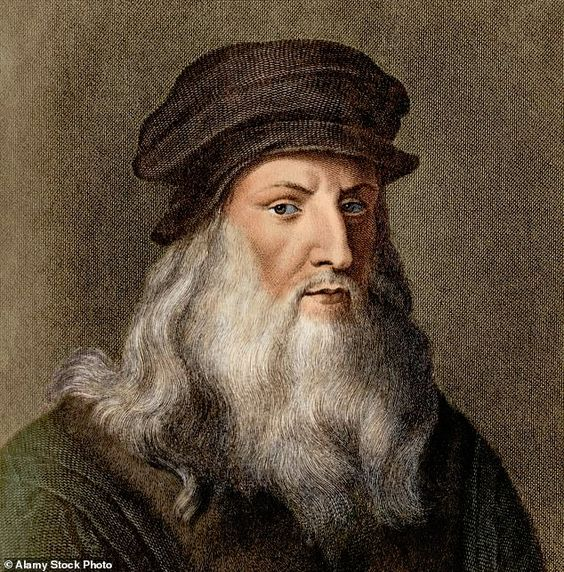
Key Points about Leonardo da Vinci
-
Born in Vinci near Florence in 1452.
-
Became an apprentice to Andrea del Verrocchio at 14.
-
Worked for the Duke of Milan, Ludovico Sforza, from 1482.
-
Renowned artist, genius, and inventor.
-
Used mirror writing in his notebooks.
-
Made sketches of the human body, animals, and inventions.
-
Famous works and projects include Mona Lisa, The Last Supper, and designs for The Horse and Rider (Sforza Horse).
-
Studied anatomy to improve his art.
-
Pioneered the sfumato technique in painting.
-
Considered a Renaissance Man for his diverse talents.
Key Points about Michelangelo Buonarroti
-
Born near Florence in 1475.
-
Apprenticed to Domenico Ghirlandaio and studied Donatello's works.
-
Studied in Lorenzo de Medici's sculpture academy.
-
Sculpted the Pietà in 1498–99.
-
Painted the Sistine Chapel ceiling in 1508, commissioned by Pope Julius II.
-
Chief architect of St Peter's Basilica.
-
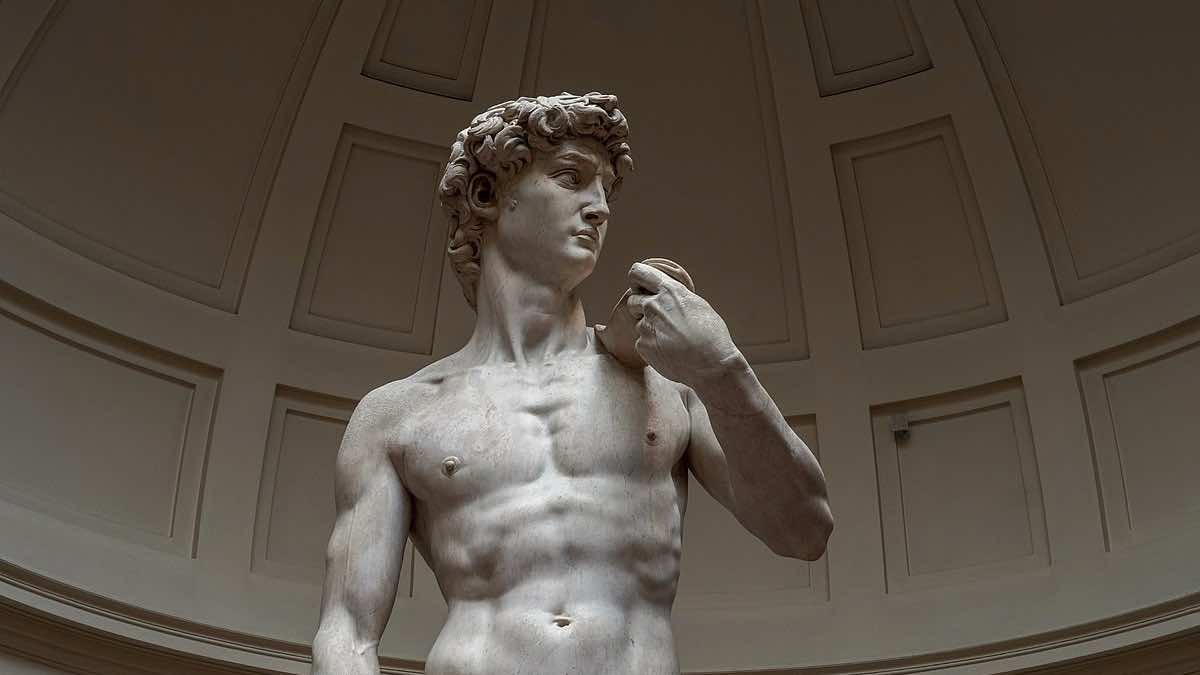
Famous works include David, Pietà, Sistine Chapel, The Last Judgement, and The Creation of Adam.
-
Known for his skill in sculpture, painting, and architecture.
-
Studied human anatomy to enhance his sculptures.
-
Died before completing St Peter's Basilica.
Technological Changes: The Printing Press
- Before the 1400s, books were handwritten and rare.
- Johannes Gutenberg invented the movable type printing press in 1450.
- The first book printed was the Gutenberg Bible.
- The printing press made books cheaper, increased literacy, and spread new ideas.
- Latin declined as books were printed in the vernacular.
Note
During the Renaissance, the term "vernacular" refers to the everyday language spoken by ordinary people in a particular region.
Before the Renaissance, most books were written in Latin, which was the language of the educated and the Church. However, as the Renaissance progressed, more books were printed in the vernacular, meaning they were written in the common language that people actually spoke, like Italian, French, or English.
This shift allowed more people to read and learn because they no longer needed to understand Latin to access books.
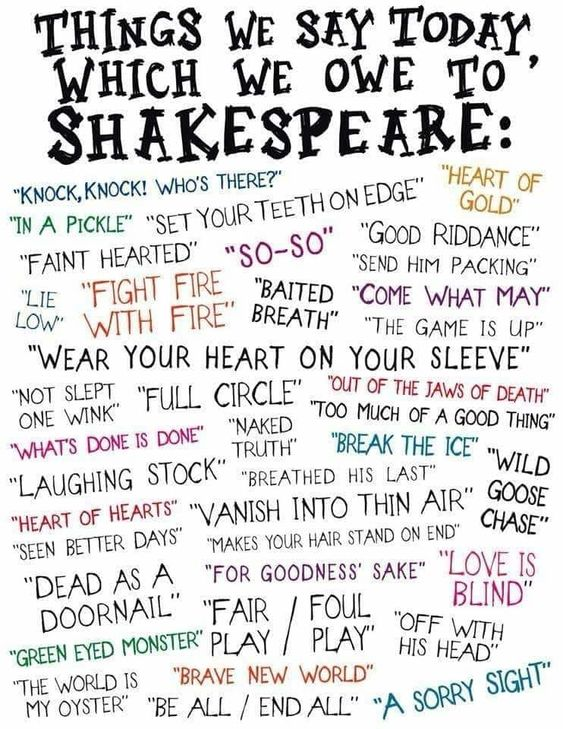
William Shakespeare
- William Shakespeare was born in Stratford-on-Avon in 1564.
- He joined a London company of actors called The King's Men.
- In 1599, the company opened the Globe Theatre which could hold 2,000 people.
- Shakespeare published 38 plays (e.g., The Merchant of Venice, Much Ado About Nothing, As You Like It) and 154 sonnets.
Changes in Health and Medicine
- Doctors like Andreas Vesalius investigated anatomy by dissecting bodies.
- William Harvey discovered that the heart pumps blood around the body.
Changes in Science
- Humanism shifted focus from God to human knowledge.
- Interest in astronomy led to new theories about the solar system.
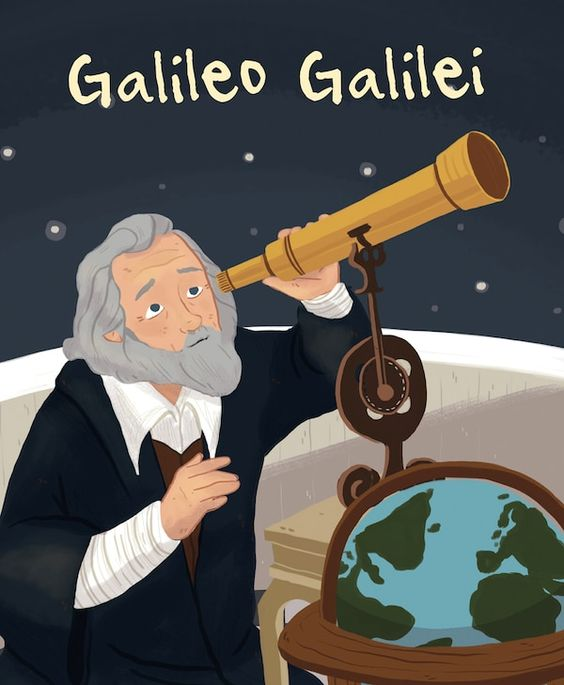
- Galileo Galilei developed laws of motion, including the Law of Falling Objects.
- Galileo improved the telescope and supported Nicolaus Copernicus' heliocentric theory.
- He published his ideas in 1632 but was arrested and tried for heresy, spending the rest of his life under house arrest.
Women of the Renaissance
- Women's lives in the Renaissance depended a lot on their social class – most worked in the home, but some wealthy women had more freedom to get involved in politics, art, and learning.
- Isabella d'Este, ruler of Mantua, was famous for her smart political decisions and for supporting great artists of her time.
- Lucrezia Borgia, Duchess of Ferrara, is remembered for her powerful family connections and for helping the arts and charities.
- Vittoria Colonna was a well-known poet who was friends with Michelangelo and shared ideas about art and religion.
- Christine de Pizan is often called Europe's first professional female writer; she defended women in her book The City of Ladies.
- Sofonisba Anguissola became one of the first famous female painters and even worked for the king and queen of Spain.
- Artemisia Gentileschi painted dramatic scenes of strong women from history and the Bible, making her one of the most important female artists of the time.
- Some women joined convents, where they could read, write, and sometimes lead their communities.
- Rich girls were taught music, languages, and literature, but most girls didn't have the same education as boys.
- Even with many rules limiting them, some women used their talents to make a big impact on Renaissance culture.
Note
What is humanism?
During the Renaissance, humanism was a movement that focused on “what it is to be human”. Humanists believed in studying subjects like literature, history, and philosophy to understand human life better and to improve the world.
Humanism played a role in changing how science was studied during the Renaissance. Before this time, most scientific ideas were based on religious beliefs or ancient texts. Humanists encouraged scholars to observe the world directly and question traditional authorities, helping to encourage new scientific approaches.
Note
Who was Galileo?
Galileo Galilei was a famous scientist and astronomer during the Renaissance. He used a telescope to study the stars and planets, making many important discoveries, such as the moons of Jupiter and the phases of Venus.
In 1632, Galileo published a book that supported the idea that the Earth revolves around the Sun, known as the heliocentric theory. This idea conflicted with the teachings of the Catholic Church at the time, which supported a geocentric view.
The Church accused Galileo of heresy, meaning beliefs that went against its teachings. He was tried and spent the rest of his life under house arrest.
Key Terms
- Renaissance: a period of cultural, artistic, and intellectual revival in Europe from the 14th to the 17th century, inspired by the rediscovery of classical art and literature.
- Patrons: wealthy individuals or institutions that supported artists, writers, and scholars by funding their work during the Renaissance.
- Leonardo da Vinci: a renowned Renaissance artist, scientist, and inventor known for masterpieces like the Mona Lisa and The Last Supper.
- Michelangelo: a famous Renaissance sculptor, painter, and architect known for works like the Sistine Chapel ceiling and the statue of David.
- Printing Press: a machine invented by Johannes Gutenberg in the 15th century that revolutionised the production of books, making them more accessible and affordable.
- William Shakespeare: an influential English playwright and poet of the Renaissance, known for plays like Hamlet, Romeo and Juliet, and Macbeth.
- Humanism: a Renaissance intellectual movement that focused on the study of classical texts, the value of the individual, and the potential of human achievement.
- Galileo Galilei: an Italian Renaissance scientist who made significant contributions to astronomy, physics, and scientific thought.
- Nicolaus Copernicus: a Renaissance astronomer who proposed the heliocentric theory, stating that the Earth and other planets revolve around the Sun.
- Heresy: the act of holding beliefs or opinions that went against the official teachings of the Church.
Revision Questions
- What does Renaissance mean?
- True or False: The fall of Constantinople brought Greek scholars to Italy.
- Who painted the Mona Lisa?
- Fill in the blank: The printing press was invented by _______.
- What is sfumato?
- True or False: Michelangelo was the chief architect of St Peter's Basilica.
- What did patrons do during the Renaissance?
- What was the main focus of humanism?
- True or False: The Renaissance led to books being printed in the vernacular.
Note
Really looking to impress? Here are 3 Key Events You Can Study to Improve Your Renaissance Knowledge!
- The Fall of Constantinople 1453
- The Pazzi Conspiracy 1478
- The School of Athens 1511