Cromwellian Plantation (Junior Cert History): Revision Notes
📚Revision Notes
Cromwellian Plantation
- Cromwell was a supporter of Parliament and a staunch Protestant.
- He came to rule England as protector after his forces defeated the royalist supporters of King Charles the first.
- The King was beheaded in 1649 after almost a decade of religious and political conflict in England.
Cromwell in Ireland
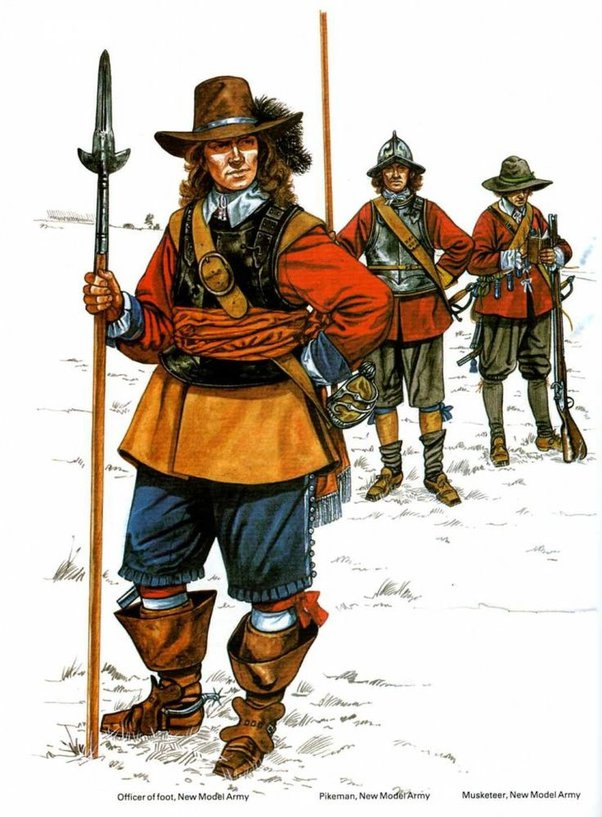
- Cromwell came to Ireland in 1649 to finish off his task of getting rid of royalist supporters among the Irish landlord class.
- He landed in Dublin and went north to Drogheda, where he massacred the opposition in the town.
- From there, he went to Wexford where he did the same.
- He went on to capture the towns of New Ross and Waterford and Kilkenny.
- He returned to England in 1650 leaving his son-in-law, Ireton, to finish off the job of conquest.
Cromwell's aims
- To crush Catholics
- To defeat the supporters of the King.
- To seize the land and pay adventurers and soldiers.
- By 1652 Cromwell had confiscated about ¾ of the land in Ireland.
- In that year, the Act of Settlement was passed and it punished the rebels severely.
- Those who fought against parliament lost all of their lands and those who could not prove their loyalty to Parliament were transplanted to Connacht.
- 'To Hell or to Connacht' by 1654 was the order.
The Down Survey
The Down Survey was a mapping of the confiscated lands. This was done by William Petty, an army doctor. Petty estimated that 11 million acres had been transferred to the new planters.
Results of the Plantation
- The plantation failed to crush Catholicism. The main losers were the Catholic landowners. Protestants now owned 5/6th of all lands.
- Many Catholics went into the woods and hills and became outlaws, attacking the new settlers.
- Some Catholics remained as tenants and labourers.
- Trade was in the hands of the Protestants. They had all the power and wealth over the next 250 years.
- The language of the country changed to English.
- New towns were built, these were controlled by the new Protestant class.
- New farming methods, especially tillage.
- The Penal laws were introduced later and these imposed further restrictions on Catholics.
All of the above led to continued conflict between Protestant and Catholic for the next couple of hundred years.