Charles Stewart Parnell - The Uncrowned King of Ireland (Junior Cert History): Revision Notes
📚Revision Notes
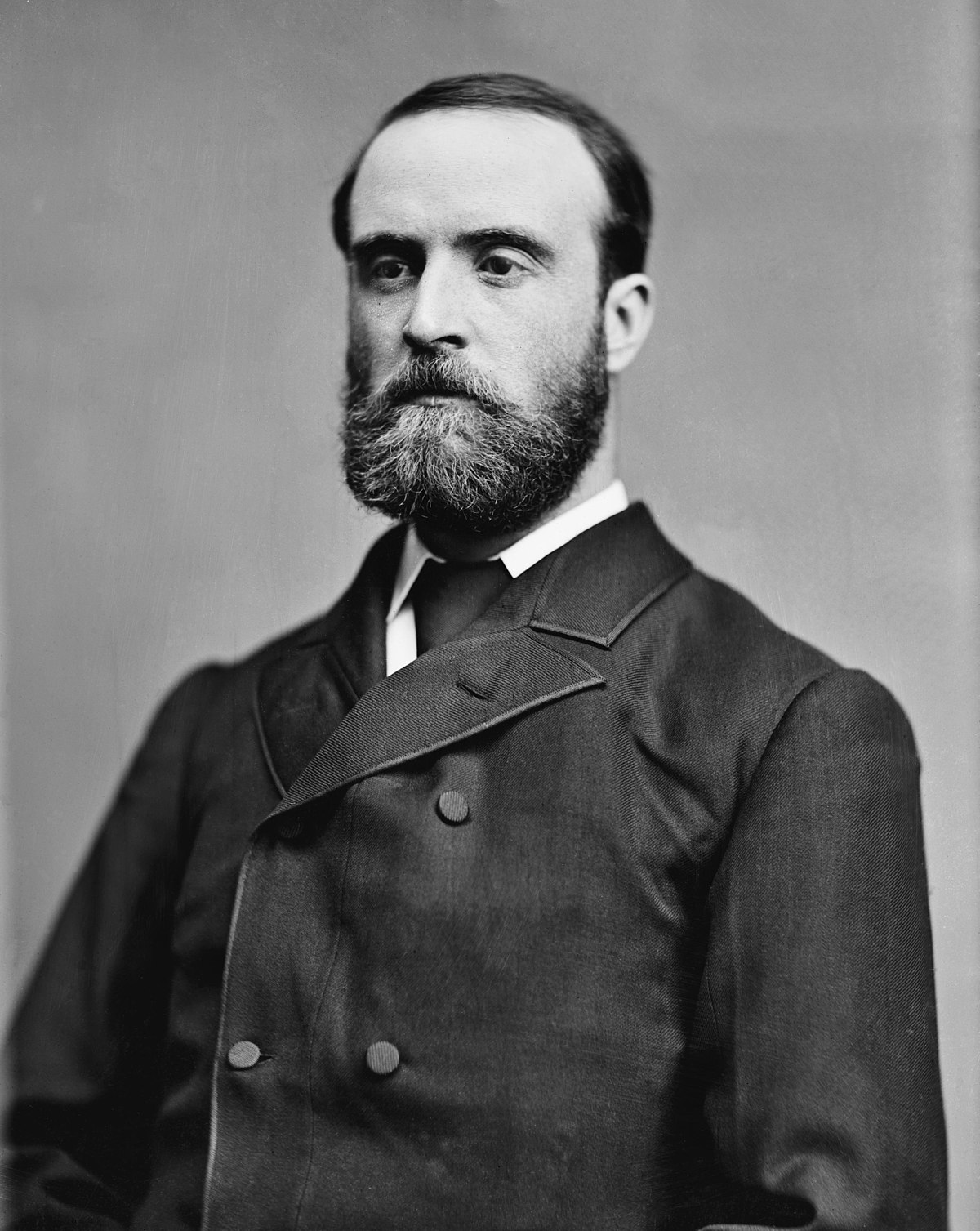
Charles Stewart Parnell-The Uncrowned King of Ireland
- Leading Politician: Charles Stewart Parnell was the leading Irish politician in the late 19th century.
- Background: He was an Anglo-Irish Protestant and a member of the Home Rule Party, which sought a parliament in Dublin to manage Irish affairs.
- Parliamentary Obstruction: Parnell used a tactic called 'parliamentary obstruction'. He made long speeches to delay proceedings in the British Parliament, forcing MPs to address the Irish Question. This approach gained him widespread support, even among the Fenian Brotherhood, a group of radical Republicans willing to use violence.
- Land League: Michael Davitt invited Parnell to join the land campaign. Parnell soon became the leader of the Land League, which demanded fairer rents and peasant land ownership.
- Rise to Leadership: Parnell gained huge popularity and became the leader of the Home Rule Party in 1880.
- The Land War: A period of violence and crime, known as the Land War, broke out between tenants and landlords. Parnell and other leaders were imprisoned in Kilmainham Gaol. British Prime Minister William Gladstone realised that violence increased with Parnell in prison.
- Kilmainham Treaty: Under the Kilmainham Treaty, Parnell was released, and Gladstone passed the Land Act in return for an end to the violence.
-
Party Reorganisation: Parnell reorganised the Home Rule Party into a pledge-bound unified party.
-
1885 Election: The breakthrough for Parnell came with the 1885 British general election, where the Home Rule Party held the balance of power between the Liberals and the Conservatives. Parnell chose to support the Liberals when Gladstone promised to introduce a Home Rule Bill.
-
Home Rule Bill: Although the Home Rule Bill was defeated in Parliament, Parnell succeeded in forcing the Irish Question onto the British agenda.
-
Scandal and Forgery: Parnell's alliance with the Liberals was threatened when The Times published letters titled 'Parnellism and Crime', falsely claiming that Parnell supported brutal Fenian murders. The letters were later proven to be forgeries, boosting Parnell's popularity.
-
O'Shea Divorce Scandal: Parnell's downfall began with the O'Shea divorce scandal. Captain O'Shea filed for divorce from his estranged wife, Kitty, who had a relationship and children with Parnell. Despite the scandal, Parnell retained the support of his party. However, he lost Gladstone's support, causing the Home Rule Party to split, with most members voting against him.
-
Death and Legacy: Parnell died at age 45 and was buried in Glasnevin Cemetery after a large funeral procession in Dublin. The fight for Home Rule continued after his death.