Household Hygiene and Cleaning (Junior Cert Home Economics): Revision Notes
📚Revision Notes
Household Hygiene and Cleaning
A clean and hygienic home makes everyone happier and healthier! Achieving this requires a good cleaning routine and the right tools.
Effective Household Cleaning Routine
- List tasks:
- Identify everything that needs to be cleaned (e.g., dishes, floors, windows).
- Organise tasks:
- Daily: Washing dishes, wiping counters.
- Weekly: Changing bed linen, mopping floors.
- Occasionally: Washing windows, cleaning the oven.
- Share the load:
- Assign tasks based on time, age, and abilities.
Household Cleaning Essentials
-
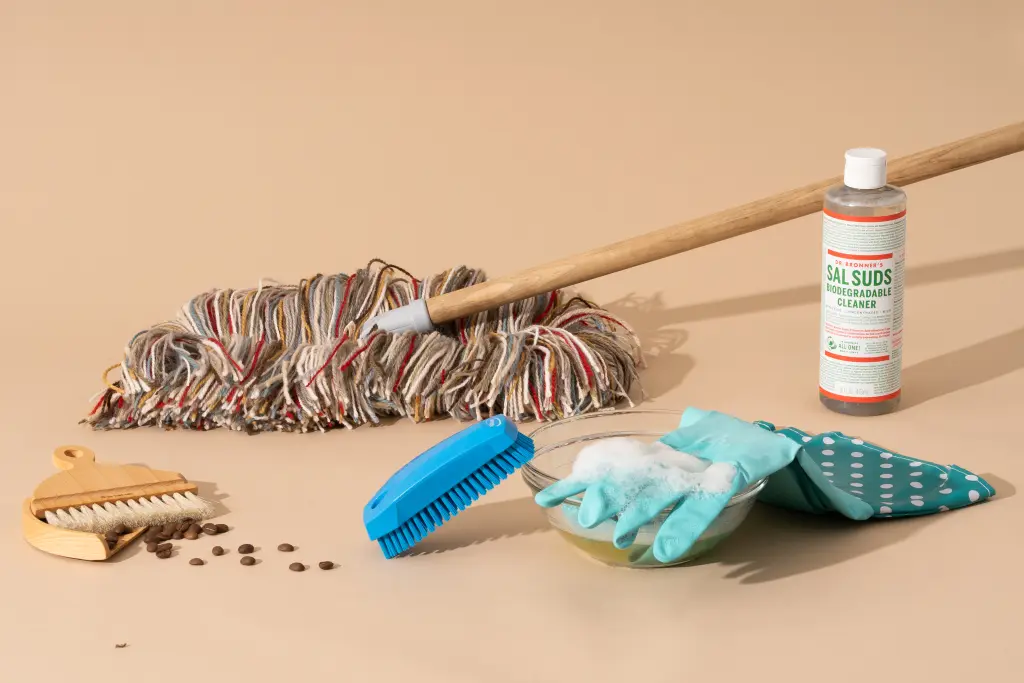
Cleaning Equipment:
-
Cloths: Tea towels, dishcloths, polishing cloths, sponges.
-
Brushes and Mops: Sweeping brush, mop, toilet brush.
-
Other: Buckets, gloves, vacuum cleaners, bin liners.
-
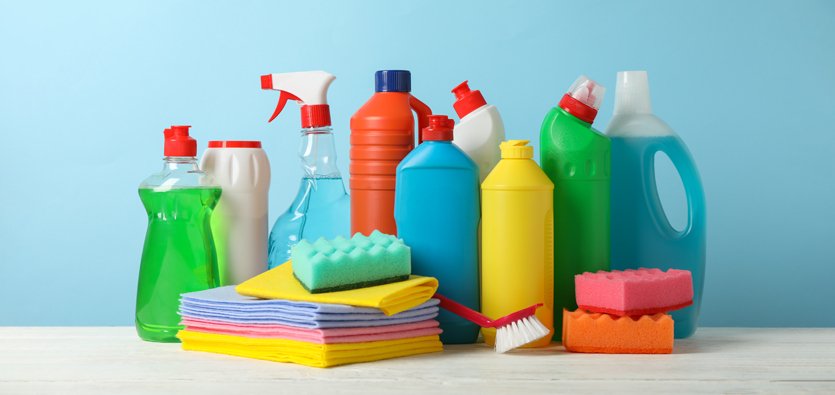
Cleaning Agents:
-
Water: For washing and rinsing.
-
Detergents: Dishwashing liquid, laundry powder.
-
Bleach: Removes stains, kills germs.
-
Abrasives: Cleans tough grime.
-
Multi-purpose sprays: For surfaces like counters and sinks.
-
Polish: For furniture, glass, or wood.
Guidelines for Safe Use of Cleaning Agents
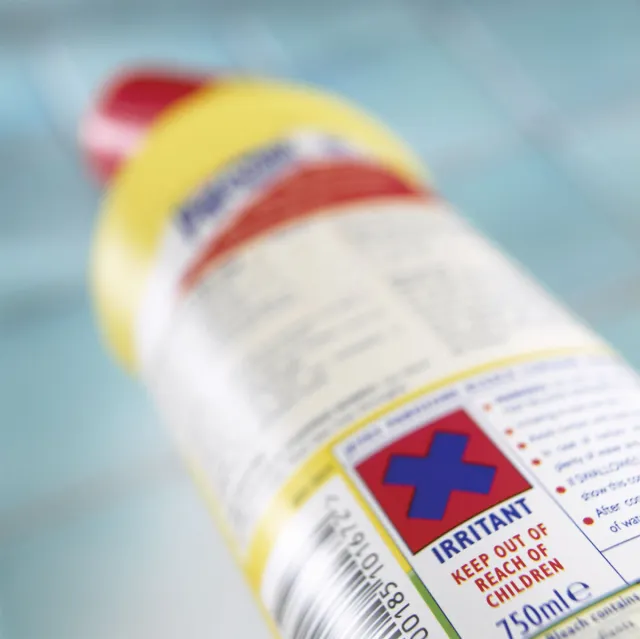
- Follow instructions on labels to avoid harm or damage.
- Wear protective gear (e.g., gloves, old clothes).
- Store products in a safe place away from children.
- Always rinse thoroughly after cleaning.
Work Sequence for Cleaning a Room
Follow these steps for an efficient clean-up:
- Open windows to ventilate.
- Tidy up objects or clothes.
- Empty bins or waste.
- Make the bed.
- Dust all surfaces.
- Vacuum/sweep floors.