Electrical and Gas Safety in the Home (Junior Cert Home Economics): Revision Notes
📚Revision Notes
Electrical and Gas Safety in the Home
Electrical accidents can cause fires or electrocution (serious injury or death due to electric shock).
Guidelines for Electrical Safety:
- Avoid overloading sockets with adaptors or extension leads.
- Check for safety symbols (e.g., Irish or EU safety marks) before purchasing appliances.
- Never touch electrical items with wet hands.
- Avoid using electrical devices (e.g., hairdryers) in bathrooms.
- Use childproof covers on sockets to prevent electrocution.
- Unplug appliances at night to avoid potential fire hazards.
Gas Safety in the Home
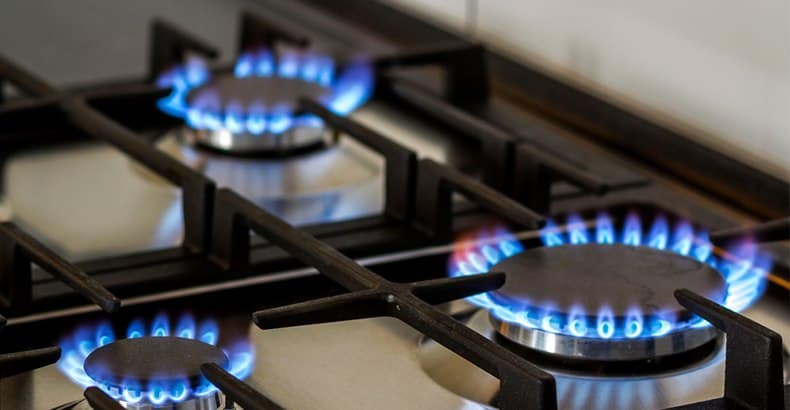
Gas is used for cooking, heating, and hot water but can be dangerous if not properly maintained.
Risks:
- Flammable gas: Can cause fires or explosions.
- Carbon monoxide: A colourless, odourless, and poisonous gas that can cause illness or death if not ventilated.
Guidelines for Gas Safety:
- Use a registered gas installer to fit and maintain gas appliances.
- Ensure rooms are well-ventilated to prevent carbon monoxide buildup.
- Install carbon monoxide alarms for safety.
What to Do If You Suspect a Gas Leak
- Do not smoke or use open flames.
- Avoid turning electrical switches on/off, as sparks can ignite gas.
- Open windows and doors to let the gas disperse.
- Check appliances to ensure they're turned off.
- Turn off the gas supply at the metre.
- Call gas emergency services (from outside the home).
- Wait outdoors until help arrives.