Evidence of Our Search for Meaning and Purpose (Junior Cert Religious Education): Revision Notes
📚Revision Notes
Evidence of Our Search for Meaning and Purpose
Throughout history, humans have consistently sought meaning and purpose in their lives. This universal human characteristic can be observed through various forms of evidence, from ancient archaeological sites to modern architectural projects.
Archaeological evidence
Archaeological sites provide the earliest evidence of humanity's search for meaning and purpose. Ancient civilisations built remarkable monuments that serve as lasting testimony to their beliefs, values, and understanding of life's greater purpose.
Note
Archaeological evidence is particularly valuable because these ancient structures required enormous resources and communal effort to build, demonstrating just how important spiritual and meaningful pursuits were to early civilisations.
Newgrange
Newgrange is located in County Meath, Ireland, and represents the oldest of the major archaeological sites demonstrating this search for meaning. Built around 3200 BCE, this ancient structure served multiple purposes that reflect deep spiritual beliefs.
The monument functioned as both a pre-Christian burial site and a place where people celebrated the life-giving powers of the sun. This dual purpose shows how ancient peoples connected their understanding of death and renewal with natural cycles, particularly solar movements.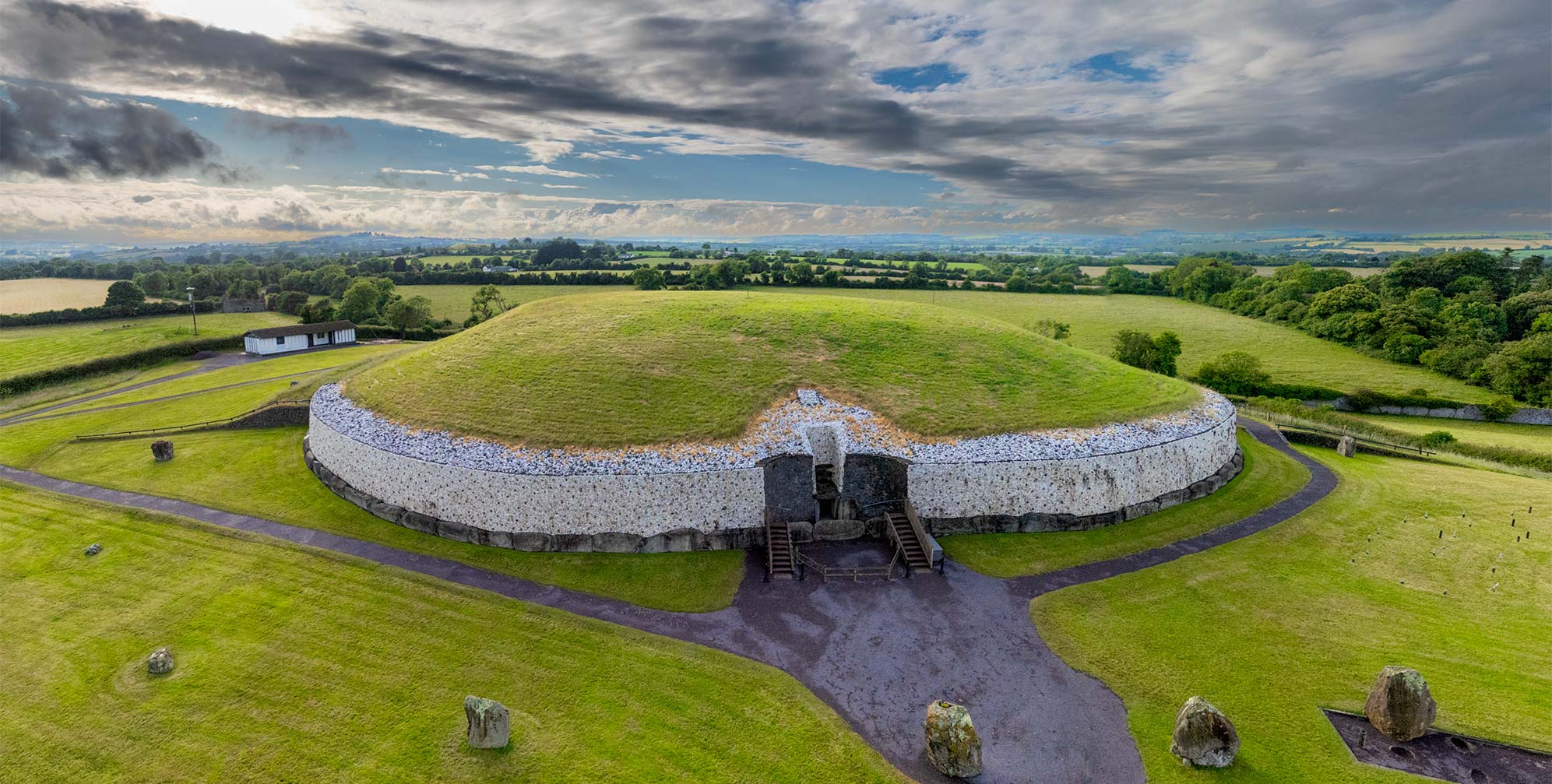
Egyptian pyramids
The pyramids of Egypt provide compelling evidence of the ancient Egyptian search for meaning, particularly regarding the afterlife. The great pharaohs were buried within these magnificent structures in elaborate gold coffins, accompanied by their wives, slaves, favourite animals, and gold.
This burial practice reveals that ancient Egyptians held strong beliefs about life after death. By providing their rulers with everything they might need in the afterlife, they demonstrated their conviction that death was not an ending but a transition to another existence.
Stonehenge
Stonehenge in England remains somewhat mysterious regarding its exact purpose, but historians believe it served important spiritual and practical functions. The structure may have operated as a burial site, a place of religious worship for druids (pagan priests), or as a type of solar calendar to track the changing seasons.
Regardless of its specific use, Stonehenge represents another example of ancient peoples investing enormous effort to create structures that connected them to larger cosmic and spiritual realities.
Common purpose
What unites these three archaeological sites is their shared function as attempts by ancient peoples to express their understanding of meaning and purpose during their lifetimes. Each structure required massive communal effort and resources, indicating how important these spiritual and meaningful pursuits were to these civilisations.
Important
The key insight from archaeological evidence is that the search for meaning and purpose is not a modern phenomenon - it has been a fundamental human drive for over 5,000 years, as demonstrated by the enormous investments ancient peoples made in creating these spiritual monuments.
Summary
Key Points to Remember:
- Archaeological sites like Newgrange, the Egyptian pyramids, and Stonehenge provide the earliest evidence of humanity's search for meaning and purpose
- These ancient monuments served spiritual purposes, connecting people to beliefs about death, renewal, the afterlife, and cosmic cycles
- Modern architecture continues this tradition, with buildings designed to express what is meaningful to communities
- The Abrahamic Family House exemplifies how contemporary architecture can promote dialogue, understanding, and shared values between different faith traditions
- Both ancient and modern examples show that the human search for meaning is a universal and timeless characteristic