Conservation of Ecological Biodiversity (Junior Cert Science): Revision Notes
📚Revision Notes
Conservation of Ecological Biodiversity
Introduction to ecological biodiversity
Ecological biodiversity refers to all the different types of ecosystems found on our planet. Understanding and protecting this diversity is essential for maintaining a healthy Earth and ensuring the survival of all living things, including humans.
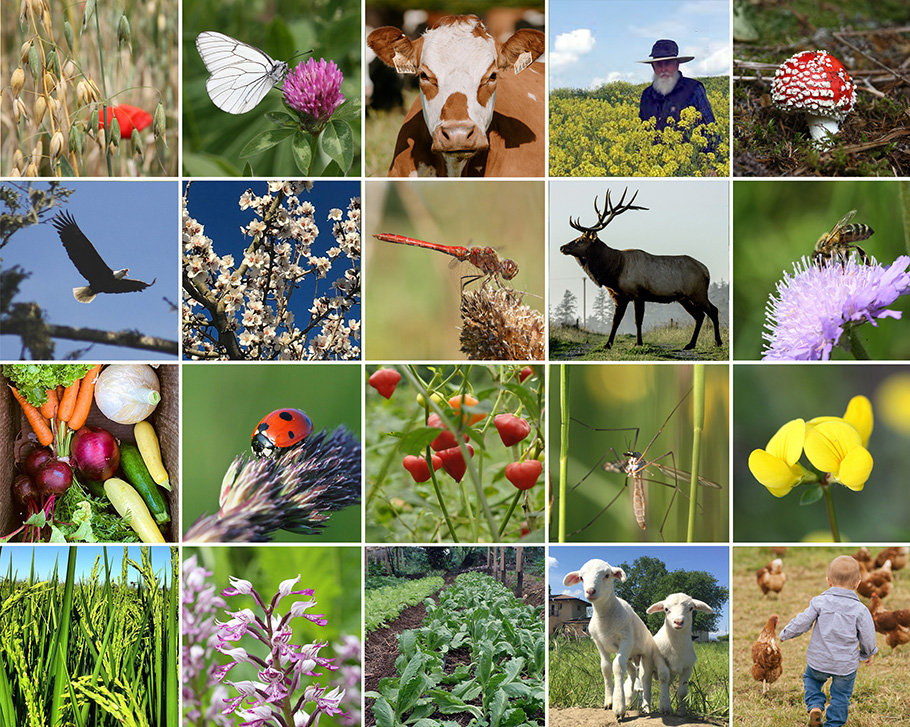
Biodiversity is the variety of life on Earth. It exists at different levels, from individual species to entire ecosystems. Because totally different organisms require totally different habitats, we need a broad range of different ecosystem types to support all the life on our planet.
Note
The term "biodiversity" encompasses everything from the smallest microorganisms to the largest ecosystems. This diversity at multiple levels is what makes our planet resilient and capable of supporting life in so many different forms.
Ecosystems and habitats
An ecosystem is a community of living organisms that interact with each other and with their surrounding environment. Each species within an ecosystem needs the right habitat to survive.
A habitat is the natural home or environment where an organism lives. The distribution of any particular species depends on whether suitable habitats are available. Living things cannot survive in environments that do not provide their basic needs, which are food and shelter.
The delicate balance of ecosystems
For an ecosystem to be sustainable (able to continue functioning over time), a delicate balance must be maintained. Think of an ecosystem like a house of cards - if you remove one card, the whole structure can collapse.
Important
The Chain Reaction of Ecosystem Collapse:
Understanding how ecosystems are interconnected is crucial for conservation:
- If the soil loses important minerals such as calcium, the plants that depend on those minerals will die.
- When the plants die, the animals that feed on those plants will also die.
- If the animals that feed on plants die, then the animals that feed on those plant-eating animals will die too.
- This chain reaction can cause the entire ecosystem to collapse.
This is why our planet Earth needs protection - ecosystems are interconnected and fragile.
Types of biodiversity
There are two important types of biodiversity you need to understand: species biodiversity and ecological biodiversity.
Species biodiversity
Species biodiversity refers to all the different species of living organisms on Earth. This includes every type of plant, animal, fungus, and microorganism.
Species biodiversity is incredibly important because:
- A healthy ecosystem contains a large diversity of species, making it less likely to be seriously damaged by human activities, natural disasters, or climate change.
- Scientists discover new species every day, and we are constantly learning about the essential roles these species play in ecosystems.
- Greater variety means greater resilience - if one species struggles, others can help maintain ecosystem functions.
Ecological biodiversity
Ecological biodiversity is concerned with all the different types of ecosystems on Earth. There are two main categories of ecosystems: terrestrial (land-based) and aquatic (water-based).
Terrestrial ecosystems
Terrestrial ecosystems are those found on land. Examples include:
- Grasslands: Open areas dominated by grasses rather than trees or shrubs
- Forests: Dense areas with many trees and woody vegetation
- Meadows: Fields of grass and wildflowers
- Deserts: Dry regions with little rainfall and sparse vegetation
- Wetlands: Areas where the land is covered by water or has waterlogged soil
- Polar and mountain regions: Cold areas with ice, snow, and specialized plant life

Note
Terrestrial ecosystems vary dramatically based on climate, rainfall, and temperature. A tropical rainforest and a desert are both terrestrial ecosystems, but they support completely different types of life due to their different environmental conditions.
Aquatic ecosystems
Aquatic ecosystems are those found in water. Examples include:
- Rivers: Flowing freshwater systems
- Seashores: Coastal areas where land meets ocean
- Ponds and lakes: Still or slow-moving freshwater bodies
- Oceans: Large saltwater bodies covering most of Earth's surface
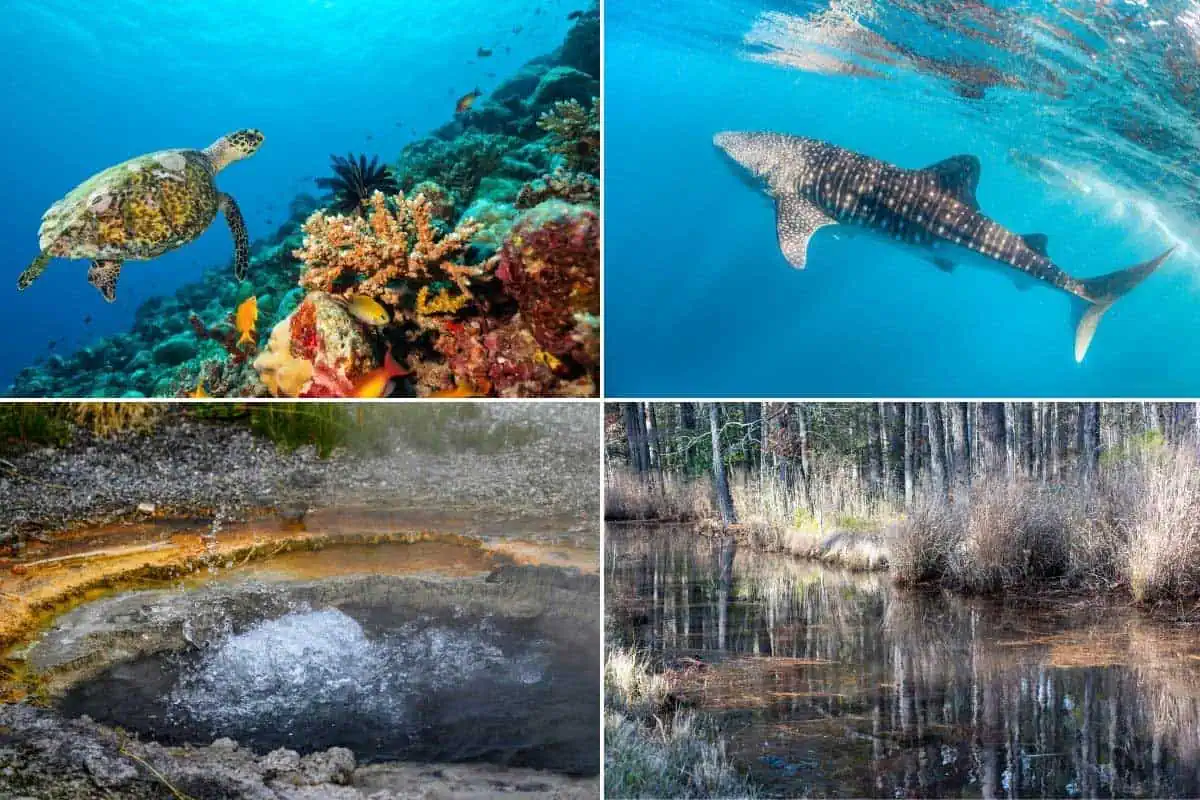
Benefits people obtain from ecosystems
The importance of ecosystems to humanity cannot be overstated. Ecosystems provide us with essential services that we depend on every single day. These benefits fall into several categories:
Provisions
Ecosystems directly provide us with:
- Food: Including crops, meat, fish, and wild-gathered foods
- Water: Clean drinking water filtered by natural systems
- Medicines: Many pharmaceutical drugs are derived from plants and other organisms
- Materials: Such as wood for building and fibres for clothing
Healthy lifestyles
Ecosystems contribute to our wellbeing by offering:
- Good air and water quality: Plants produce oxygen and natural systems filter water
- Opportunities to enjoy a healthy lifestyle: Through outdoor activities and exercise
- A healthy planet: Which supports all other aspects of human life
Climate regulation and air quality
Ecosystems help regulate our climate by:
- Absorbing carbon dioxide and producing oxygen through photosynthesis
- Maintaining stable weather patterns
- Providing clean air to breathe
Note
The oxygen you breathe right now was produced by plants and photosynthetic organisms in ecosystems around the world. Without these ecosystem services, human life would not be possible.
Species biodiversity and recreation
Ecosystems provide:
- Recreational facilities: Such as parks, forests, and beaches where people can relax and enjoy nature
- Beauty and inspiration: Natural environments that improve mental health and quality of life
Loss of ecological biodiversity
Changes to ecosystems caused by humans have become the most severe threat to living organisms and their habitats. Several factors contribute to the loss of ecological biodiversity.
Habitat loss and deforestation
Habitat loss occurs when natural environments are destroyed or degraded. This is caused by:
- Destruction of trees for timber or to clear land for agriculture
- Soil erosion from poor farming practices
- Draining of bogs and wetlands for development
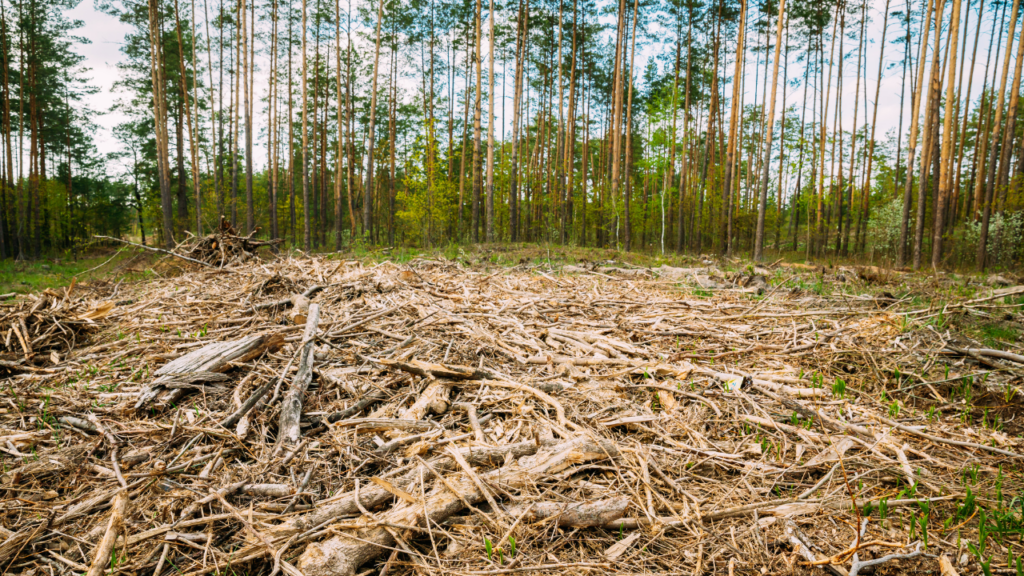
Deforestation is the greatest single contributor to habitat loss. When forests are cut down, countless species lose their homes.
Important
The Impact of Deforestation:
When we cut down forests, we're not just removing trees - we're destroying entire ecosystems. Each tree provides homes for countless organisms, from insects to birds to fungi. The loss of these forests has cascading effects throughout the entire ecosystem and contributes significantly to climate change.
Invasive species
Invasive species are organisms that are introduced to new environments where they don't naturally belong. They can cause serious problems by competing with native species for food and space.
Note
Examples of Invasive Species:
- Grey squirrels: Outcompete native red squirrels for food and habitat
- Zebra mussels: Clog waterways and disrupt aquatic ecosystems
- Giant hogweed: Crowds out native plants and can even harm humans who touch it
These invaders can disrupt entire ecosystems because they often have no natural predators in their new environment.
Overexploitation
Overexploitation means using natural resources faster than they can be replaced. Examples include:
- Over-fishing: Taking fish from the ocean faster than populations can reproduce
- Over-hunting: Killing too many animals, pushing species toward extinction
Both practices disrupt the natural balance of ecosystems.
Pollution
Pollution damages ecosystems in several ways:
- Animal slurry and sewage waste flowing into rivers and streams can deplete oxygen and kill aquatic life
- Burning fuels releases harmful chemicals into the air, which can damage plants and animals
- Pollution can deplete soil of essential plant nutrients, affecting the entire food chain
Climate change
Climate change is causing significant habitat destruction through:
- Melting ice in polar regions, destroying habitats for species like polar bears
- Flooding in low-lying areas, forcing species to relocate or perish
- Changing weather patterns that disrupt breeding cycles and food availability
Important
Remember: HIPOD - The Five Main Threats to Biodiversity
Use this mnemonic to recall the major threats:
- Habitat loss
- Invasive species
- Pollution
- Overexploitation
- Deforestation
While deforestation is technically a type of habitat loss, it's so significant that it deserves special attention as a separate threat.
Conservation of ecological biodiversity
Conservation is the wise management of ecosystems to prevent extinction, exploitation, destruction, and neglect. It involves making careful decisions about how we use natural resources so they will still be available for future generations.
Conservation methods to combat biodiversity loss
There are several effective methods for protecting ecosystems:
Monitoring and regulation
Note
Regulatory Conservation Measures:
- Closely monitor imported goods such as flowers, fruit, and trees to prevent invasive species from entering new environments
- Implement fishing quotas to prevent overfishing and keep fish populations at sustainable levels
- Impose strict hunting seasons to ensure that animal populations remain balanced, especially during breeding times when species are most vulnerable
Pollution control
Effective pollution control measures include:
- Place restrictions on spreading slurry - farmers should only spread animal waste at certain times (during dry weather) to prevent it running into waterways
- Reduce greenhouse gas emissions to slow climate change and protect habitats
International cooperation
The United Nations (UN) Convention on Biological Diversity (CBD) has been signed by many nations around the world. The purpose of this agreement is to protect species and ecosystems through international cooperation. The UN has designated 22nd May each year as the International Day for Biodiversity to raise awareness about conservation.
Important
Exam Tip: You should know at least two methods of conservation for the exam. Good examples include fishing quotas and restrictions on spreading slurry, as these are specific and show understanding of practical conservation measures.
How individuals can help conserve ecological biodiversity
Each person can take actions to help protect ecosystems:
- Avoid products containing palm oil: Large areas of ecosystems (particularly rainforests) are destroyed to make space for palm oil plantations
- Use products made of wood rather than tropical timber: This reduces demand for logging in tropical rainforests
- Do not support the trade selling tropical animals (such as parrots or reptiles) as pets - this helps keep these animals in their natural habitats
- Support local farms that raise and slaughter their own livestock humanely and sustainably
- Save energy wherever you can: Using less energy reduces greenhouse gas emissions and helps combat climate change
Note
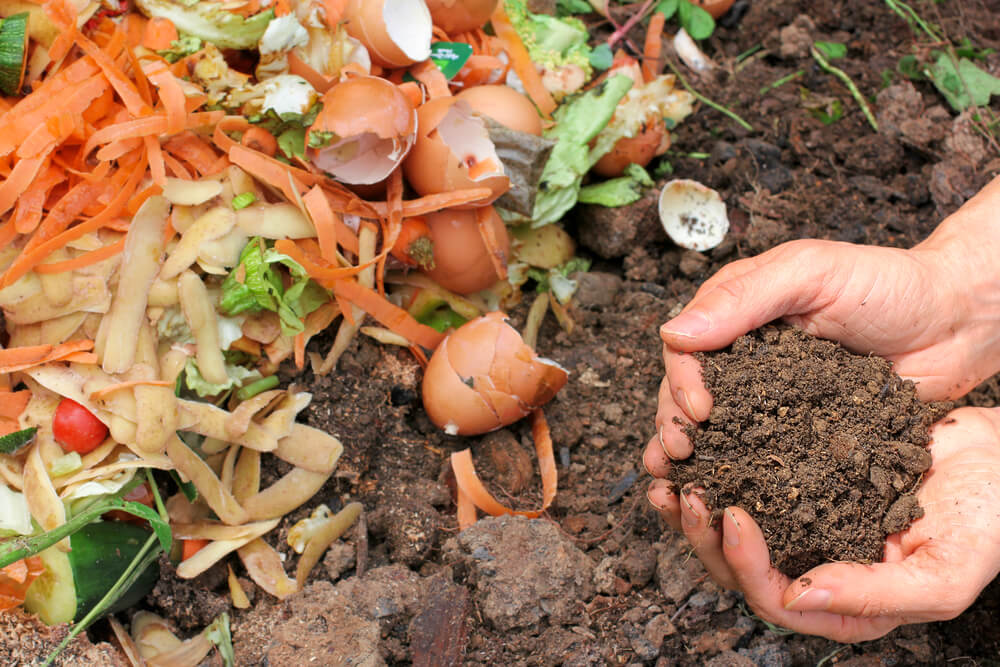
Simple actions like composting food waste instead of throwing it away can make a real difference to environmental conservation. Every small action contributes to the larger goal of protecting our planet's biodiversity.
Global food production
At the present time, there are approximately 8 billion people living on planet Earth. In 1970, there were roughly half that number. Scientists estimate that by 2050, the world population will reach 9 billion people, and the demand for food will increase dramatically.
Right now, there is enough food produced to feed everyone on Earth, but the problem is that it doesn't reach everyone who needs it. This is a distribution problem, not a production problem.
The food waste crisis
Important
The Shocking Reality of Food Waste:
- About 13 billion tons of food is wasted each year
- This is four times the amount needed to feed the more than 800 million people who are malnourished
Scientists say that if we can improve food production methods and increase efficiency in distributing food, along with reducing food wastage, we can produce enough food for everyone by 2050. The key is feeding everyone sustainably while protecting our natural resources.
Sustainable food production
Sustainable means using a resource in such a way that it does not run out. We need to improve how we grow, transport, and consume food to make food production sustainable.
Areas for improvement
There are three main areas where we can improve food production:
| Area of food production | We need to |
|---|---|
| Growing | • Fertilise land without leaching minerals into waterways • Reuse land rather than letting it sit idle |
| Transport | • Rely less on food from far away – fewer 'food miles' • Consume foods that are in season |
| Consumption | • Reduce our food portions • Stop wasting food – it is estimated that one-third of food produced globally is wasted |
Improving growing practices
When growing food, farmers should:
- Fertilise their land carefully to avoid minerals washing into nearby rivers and streams, which can cause pollution and harm aquatic ecosystems
- Make use of all available farmland rather than leaving fields idle, which increases efficiency
Reducing transport impact
Food miles refers to the distance food travels from where it is grown to where it is consumed. To reduce the environmental impact of transportation:
- Rely less on food from far away - choose local produce when possible
- Consume foods that are in season - this means they can be grown locally rather than imported from distant countries
Note
Buying local, seasonal food reduces the fuel needed for transportation and supports local farmers. For example, buying strawberries in summer from a local farm rather than importing them from another continent in winter significantly reduces the carbon footprint of your food.
Responsible consumption
At the consumption stage, we can:
- Reduce our food portion sizes to match what we actually need
- Stop wasting food - remember that one-third of all food produced globally is currently wasted
This is particularly important because wasted food represents wasted resources - all the water, energy, and land used to produce that food is also wasted.
Important
Exam Tip: For questions about sustainable food production, give two strategies from different areas (growing, transport, consumption) to show comprehensive understanding. For example: "Fertilise land without leaching minerals into waterways" (growing) and "Consume foods that are in season" (transport).
Remember!
Summary
Key Points to Remember:
-
Ecosystems are communities of organisms interacting with each other and their environment - they need careful balance to survive.
-
Ecological biodiversity encompasses all types of ecosystems on Earth, including terrestrial (land-based) and aquatic (water-based) ecosystems.
-
Conservation means wisely managing natural resources to prevent extinction and environmental damage.
-
The main threats to biodiversity are habitat loss, invasive species, pollution, overexploitation, and deforestation - remember HIPOD!
-
Sustainable food production requires improvements in how we grow, transport, and consume food - particularly reducing the one-third of food that is currently wasted globally.
-
By 2050, we need to sustainably feed 9 billion people - this requires both reducing waste and improving production methods.