Microorganisms: Viruses, Bacteria, and Fungi (Junior Cert Science): Revision Notes
📚Revision Notes
Microorganisms: Viruses, Bacteria, and Fungi
What are microorganisms?
Microorganisms are extremely tiny living organisms that are usually too small to see with the naked eye. You need a microscope to observe them properly. The word has a specific scientific meaning and refers to three main types of organisms: viruses, bacteria, and microscopic fungi.
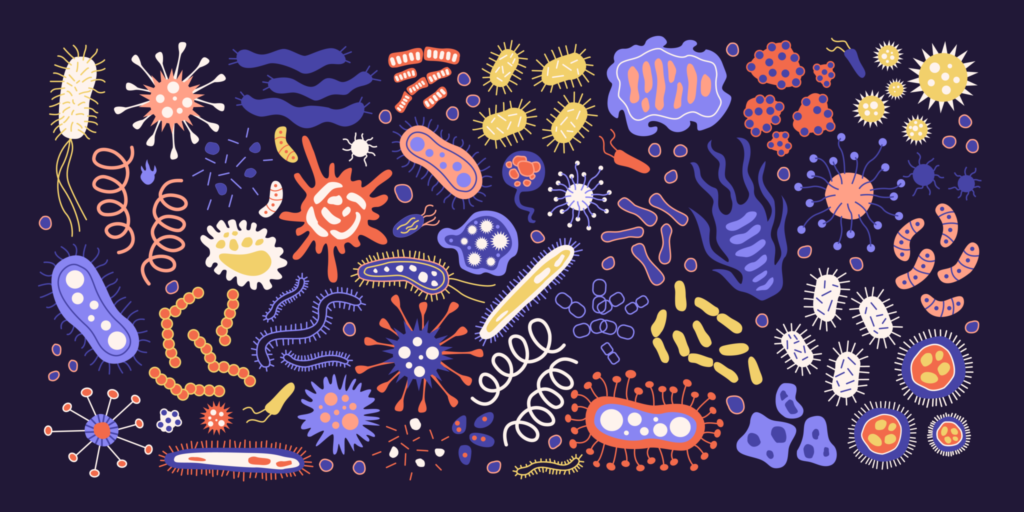
When you see mould growing on old bread or cheese, you're actually looking at a huge number of tiny fungal organisms growing together. This large group of microorganisms working together is called a colony.

Note
While we use the term "microorganisms" to describe these tiny life forms, it's important to remember that viruses are actually debated by scientists as to whether they truly count as "living" organisms - we'll explore why in the next section!
Different types of microorganisms have very different structures and characteristics, as we'll explore in this note.
Viruses
What are viruses?
Viruses are unique because scientists debate whether they are truly living organisms. Unlike bacteria and fungi, viruses cannot carry out life processes on their own. They need to invade the cells of living organisms (called host cells) to survive and reproduce.
Important
Viruses are not truly alive! They cannot eat, grow, or reproduce by themselves. They are essentially just genetic material wrapped in protein, and they only "come to life" when they hijack a living cell. This is why scientists debate their status as living organisms.
Structure of viruses
A virus has a simple but effective structure designed to infect cells:
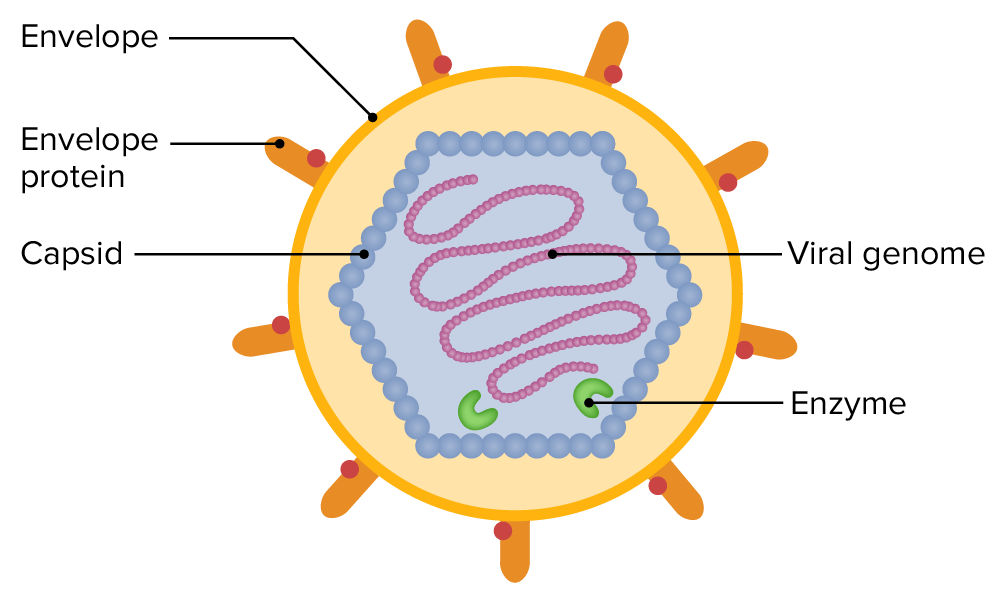
The key parts of a virus include:
- Genetic material (RNA or DNA) in the centre - this contains the virus's instructions
- Protein coat surrounding the genetic material
- Spike proteins on the outside that help the virus attach to and enter host cells
- Fat layer (in some viruses) that protects the virus
When a virus enters your body, it uses its spike proteins to latch onto your cells, particularly cells in your lungs and respiratory system. Once inside, the virus forces your cell to make copies of it, which then go on to infect more cells.
Diseases caused by viruses
Viruses are responsible for many common illnesses. Any microorganism that causes disease is called a pathogen, and viruses are particularly troublesome pathogens.
Common viral diseases include:
- Colds
- Influenza (flu)
- Chickenpox
- Mumps, measles, and German measles (rubella)
- Hepatitis
- AIDS
- COVID-19
Understanding COVID-19
COVID-19 is caused by a type of coronavirus. The name "coronavirus" comes from the crown-like appearance of the spike proteins on the virus's surface (corona means crown).
Important
How COVID-19 spreads: The virus spreads when infected people cough, sneeze, or breathe out. These actions release tiny droplets containing the virus into the air, which other people can then breathe in. This is why social distancing and mask-wearing became so important during the pandemic.
Coronavirus is particularly dangerous because it can spread easily between people and causes serious respiratory (breathing) problems in many infected individuals.
How our body fights viruses
Your body has a sophisticated defence system called the immune system to protect against viral infections.
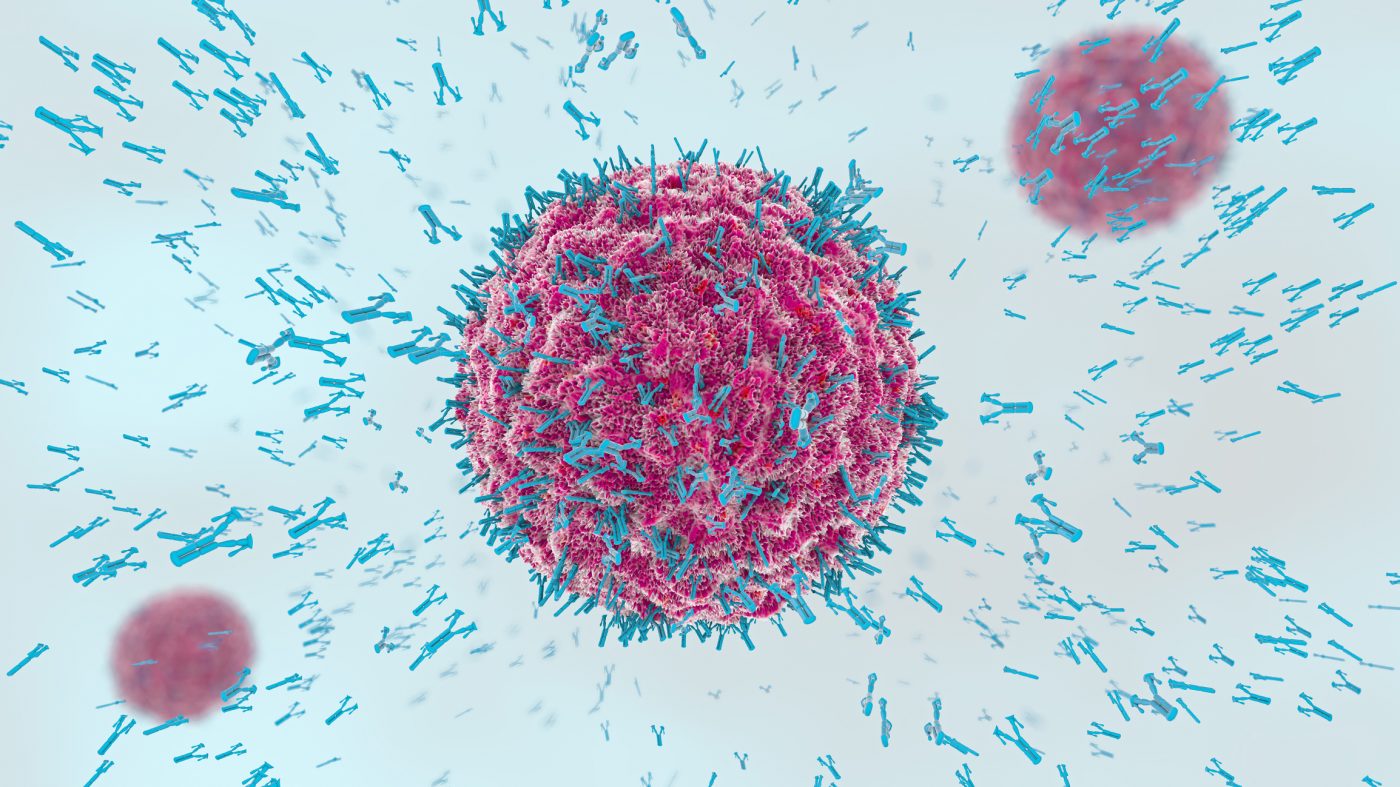
When a virus enters your body, here's what happens:
White blood cells in your blood recognise that something foreign has invaded. Your body cannot fight the infection immediately because it takes time for your immune system to recognise and respond to the new threat.
Example
Example: The Immune Response in Action
Imagine you catch a cold virus for the first time. Here's the step-by-step process:
Step 1 - Detection: Your DNA or RNA recognises that something foreign has entered the body and sounds the alarm
Step 2 - Production of antibodies: White blood cells produce special proteins called antibodies that attach to the virus
Step 3 - Destruction: Once antibodies latch onto the virus, white blood cells can destroy it more effectively
Step 4 - Memory: If the same virus attacks again, your body can fight it off much faster because it "remembers" how to make the right antibodies
This is why you usually only feel very ill the first time you catch a particular virus!
Vaccination - training your immune system
Vaccination is our greatest defence against viral diseases. A vaccine contains a weakened or harmless version of a disease that cannot actually make you ill.
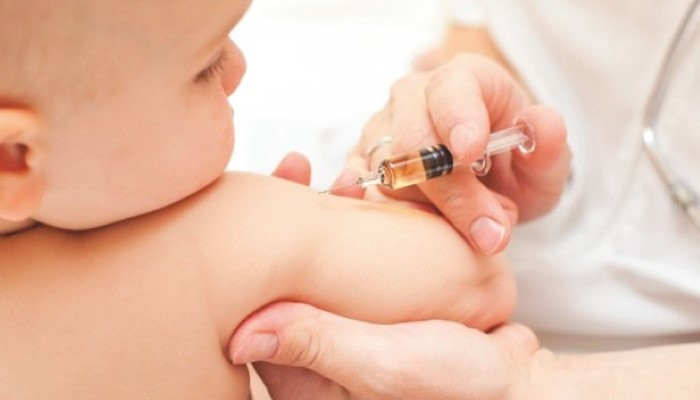
Here's how vaccination works:
- A weakened form of the disease is injected into your body
- Your body recognises this as foreign and produces white blood cells to fight the "invader"
- If the real, dangerous disease later attacks your body, your white blood cells are ready and can destroy it quickly
- This happens because your immune system has been "trained" and remembers how to fight that specific disease
Note
Think of vaccination like a fire drill for your immune system. By practising with a harmless version of the disease, your body becomes prepared to respond quickly and effectively if the real threat ever appears.
This process provides protection without you having to suffer through the actual disease. Vaccines have saved millions of lives by preventing serious illnesses.
Why antibiotics don't work on viruses
Antibiotics are powerful medicines designed to kill bacteria and fungi. However, they are completely ineffective against viruses.
Common viral infections like colds and flu cannot be treated with antibiotics. Taking antibiotics when you have a cold is pointless and can even be harmful because:
- The antibiotic won't help you feel better
- It can destroy beneficial bacteria in your body
- It contributes to antibiotic resistance, making antibiotics less effective when you really need them
Important
Exam tip: In your exam, remember that antibiotics only work on bacteria and fungi, never on viruses. This is a common question topic. If you see a question about treating a cold or flu, the answer is NOT antibiotics!
Preventing viral spread
Since we cannot use antibiotics to treat most viral infections, prevention is crucial. Simple hygiene measures are very effective:
- Wash your hands regularly with soap and water - soap destroys the fat layer in viruses, killing them
- Cover your mouth when coughing or sneezing
- Avoid touching your face, especially your mouth, nose and eyes
- Stay away from people who are ill
- Get vaccinated when vaccines are available
Note
Why soap is so effective: Hand washing with soap is particularly effective because the soap molecules attack and break down the virus structure, rendering it harmless. The soap literally tears apart the fat layer that protects the virus, causing it to fall apart!
Bacteria
What are bacteria?
Bacteria are single-celled microorganisms that are much more complex than viruses. Unlike viruses, bacteria are definitely living organisms - they can grow, reproduce, and carry out all life processes independently.
Most bacteria you encounter are either harmless or even beneficial, but some types can cause serious diseases.
Harmful bacteria and diseases
When bacteria cause illness, they are acting as pathogens. Some bacteria produce toxins (poisons) or damage body tissues directly.
Bacterial diseases include:
- Cholera - causes severe diarrhoea
- Tetanus - affects the nervous system
- Tuberculosis - attacks the lungs
- Dental caries (tooth decay) - bacteria produce acid that damages tooth enamel
- Strep throat - causes painful throat infection
- Food poisoning - various bacteria can contaminate food
Note
Good news about bacterial infections: Unlike viral infections, bacterial infections can be treated with antibiotics, which kill the bacteria or stop them from reproducing. This is why your doctor will prescribe antibiotics for strep throat but not for a common cold!
Beneficial bacteria
Not all bacteria are bad! In fact, most bacteria are either harmless or actively helpful to humans and the environment.
Bacteria as decomposers:
Some bacteria are decomposers, which means they break down dead organic matter (dead plants and animals) into simpler substances. This process is essential for:
- Recycling nutrients back into the soil
- Preventing the build-up of dead material
- Supporting plant growth by releasing nutrients plants need
Without decomposer bacteria, dead material would pile up and nutrients would be locked away, unable to support new life.
Bacteria in the human gut:
Your intestines are home to trillions of beneficial bacteria that help keep you healthy.
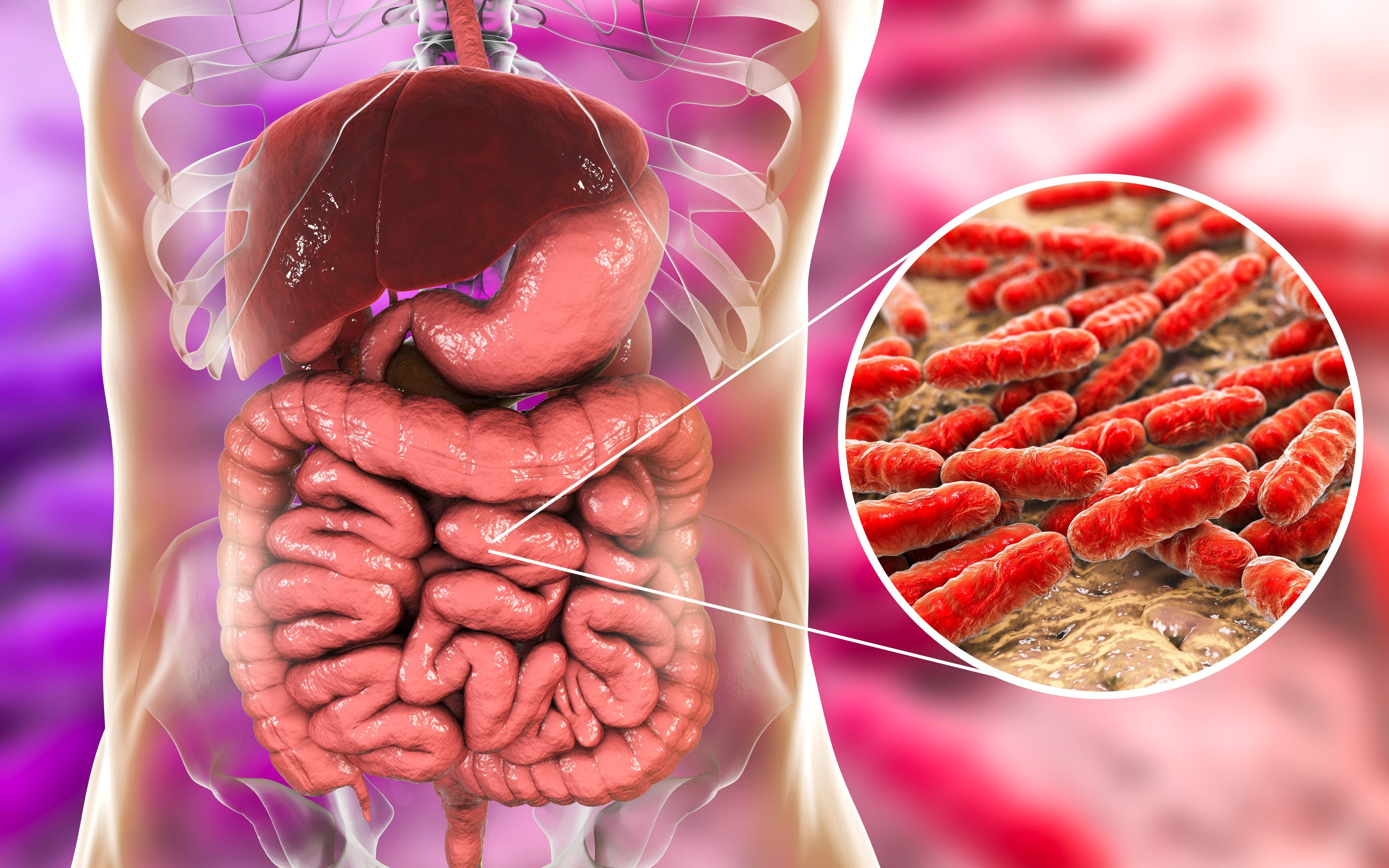
These gut bacteria provide important benefits:
- They produce vitamin B (for energy) and vitamin K (for clotting blood)
- They prevent harmful bacteria from surviving in the gut
- They help digest food
- The sheer number of good bacteria prevents harmful bacteria from establishing themselves
Important
Your bacterial partners: This relationship where bacteria benefit and we benefit is called mutualism - both organisms help each other. You literally cannot survive without the trillions of helpful bacteria living in your gut!
Fungi
What are fungi?
Fungi are another type of microorganism, though some fungi are large enough to see easily (like mushrooms). Microscopic fungi include moulds and yeasts that grow on food and in damp places.
Like bacteria, fungi are living organisms. They grow best in warm, moist environments.
Role of fungi as decomposers
Similar to bacteria, many fungi act as decomposers. They break down dead organic matter through:
- Absorption of nutrients from dead material in the soil
- Release of enzymes that break down complex organic compounds
Fungi release enzymes that break down complex organic compounds in dead plants and animals, allowing the nutrients to be recycled back into the ecosystem.
Fungal infections
Some fungi can cause health problems in humans, particularly skin infections. These infections are treatable with antifungal medicines.
Common fungal infections include:
Athlete's foot: A fungal infection that typically starts between the toes. It thrives in warm, moist environments like sweaty socks and shoes. The infection causes itching, flaking skin, and discomfort.
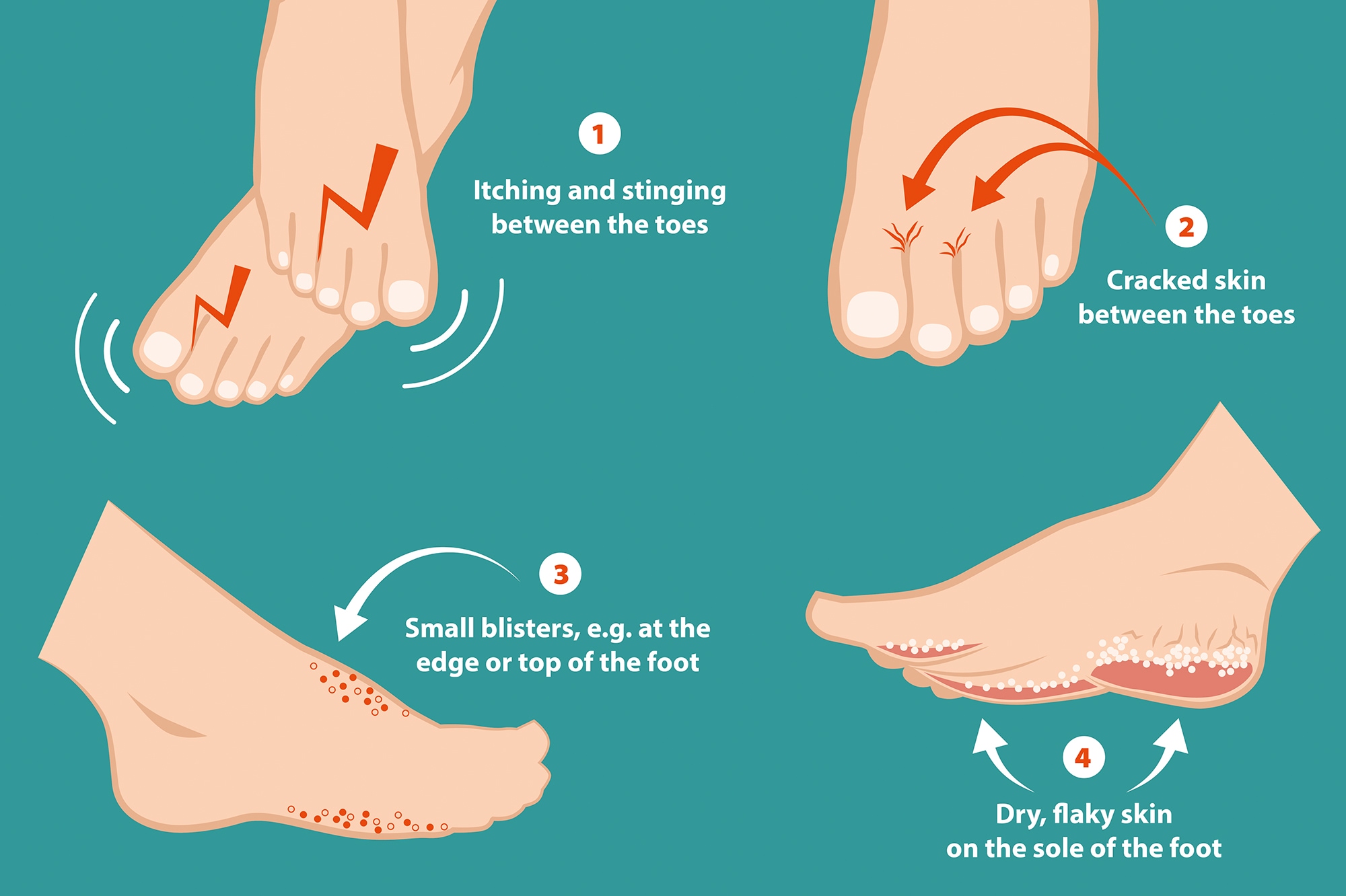
Ringworm: Despite its name, ringworm is not caused by a worm at all - it's a fungal infection! It creates circular, ring-like patches on the skin that are red and itchy.
Note
Both athlete's foot and ringworm can be treated effectively with antifungal creams available from pharmacies. These infections are uncomfortable but not dangerous, and they respond well to treatment.
Beneficial uses of fungi
Fungi are incredibly important for human health and medicine. Some of the most powerful medicines come from fungi.
Medicines from fungi:
Fungi produce many useful substances:
- Medicines to control cholesterol (statins)
- Immunosuppressant medicines (used to prevent organ rejection after transplants)
- Most importantly, antibiotics
Biotechnology and penicillin
Biotechnology means using living organisms to produce useful products. One of the greatest discoveries in biotechnology came from a fungus.
Example
Example: The Discovery of Penicillin - A Happy Accident
In 1928, scientist Alexander Fleming made an accidental discovery that would save millions of lives.
The situation: Fleming was growing bacteria in petri dishes in his laboratory. When he left a dish near an open window, it became contaminated with mould (a fungus).
The observation: Fleming noticed something remarkable - the bacteria near the mould colonies were dying. The mould was producing a substance that killed bacteria!
The discovery: He identified the mould as belonging to the Penicillium family. The substance the mould produced became known as penicillin - the first natural antibiotic.
The impact: This discovery revolutionised medicine and allowed doctors to treat previously fatal bacterial infections like scarlet fever, pneumonia, meningitis and diphtheria.
This was the first natural antibiotic discovered, and it opened the door to finding and developing many more antibiotics.
Food spoilage and preservation
How microorganisms spoil food
Bacteria and fungi are the main culprits behind food spoilage. When food becomes contaminated with these microorganisms, they grow and multiply rapidly, causing the food to:
- Develop unpleasant smells
- Change colour
- Produce toxins that can cause food poisoning
- Become unsafe to eat
Important
Food poisoning is serious! Food poisoning can cause vomiting, diarrhoea, stomach cramps, and fever - it's a very unpleasant illness caused by eating contaminated food. In severe cases, it can even be life-threatening, especially for young children and elderly people.
Methods of food preservation
Humans have developed several methods to preserve food by preventing microorganism growth. Understanding how these methods work helps us keep food safe.
| Preservation method | How it works |
|---|---|
| Refrigeration | The low temperature slows down microorganism growth. Cold doesn't kill them, but it prevents them from multiplying quickly. |
| Freezing | Removes available water by freezing it solid. Microorganisms need liquid water to survive and reproduce, so freezing stops them working. |
| Pickling | The acidity (low pH) of vinegar creates an environment where microorganisms cannot survive. |
| Drying | Removes water from food completely. Without water, microorganisms cannot survive. |
| Pasteurisation | Food (like milk or orange juice) is heated to a high temperature to kill microorganisms, then rapidly cooled. |
Note
The common theme: Notice that all these preservation methods work by either removing something microorganisms need (water or warmth) or creating conditions they cannot tolerate (acidity or high heat). Understanding this principle helps you remember how each method works!
Important
Exam tip: You should be able to remember and explain all five preservation methods and understand the science behind why each one works. Focus on what each method does to prevent microorganism growth.
Preventing food poisoning
Protecting food from contamination is essential for preventing illness. Follow these important food safety rules:
- Store food properly at the correct temperature
- Clean surfaces thoroughly after food preparation
- Wash hands before and after handling food
- If in doubt, throw it out - never risk eating contaminated food
- Keep raw and cooked foods separate
- Cook food thoroughly to kill any microorganisms present
Investigation: Microorganisms in the air
Example
You can demonstrate that microorganisms are present in the air around us with a simple experiment:
Method:
- Obtain two sterile petri dishes containing agar jelly (a nutrient-rich substance)
- Remove the lid of one petri dish and expose it to the air for 10 minutes
- Keep the other petri dish sealed - this is your control (for comparison)
- After 10 minutes, seal both plates with tape in a cross pattern
- Place both plates in an incubator at for 48 hours
- Observe the results
Results: The exposed plate will show bacterial and fungal colonies growing on the agar - these came from microorganisms floating in the air. The control plate (which stayed sealed) should show little or no growth, proving that the microorganisms came from the air and not from contamination already in the sealed dish.
Safety Warning: Once the experiment is complete, the plates should be sterilised before disposal because they now contain potentially harmful bacteria. Never open the sealed plates after incubation - you don't know what has grown inside!
This experiment demonstrates that microorganisms are constantly present in the environment around us, floating in the air we breathe.
Summary
Summary
Key Points to Remember:
-
Microorganisms include three main types: viruses, bacteria, and fungi - each with different structures and characteristics. Viruses are the simplest, bacteria are single-celled organisms, and fungi include moulds and yeasts.
-
Viruses are not truly living organisms - they must invade host cells to reproduce. Antibiotics cannot kill viruses, which is why vaccines and good hygiene are our best defences against viral diseases. Remember: antibiotics work on bacteria and fungi only!
-
Bacteria can be harmful or helpful - while some cause diseases like cholera and tuberculosis, others act as decomposers or provide benefits in our gut by producing vitamins and preventing harmful bacteria from growing. Bacterial infections can be treated with antibiotics.
-
Fungi include microscopic moulds and yeasts - they can cause skin infections like athlete's foot and ringworm, but also produce life-saving medicines like penicillin. This demonstrates the importance of biotechnology - using living organisms to create useful products.
-
Food preservation works by creating conditions where microorganisms cannot survive - whether through cold temperatures (refrigeration/freezing), removing water (drying), changing pH (pickling), or using heat (pasteurisation). Understanding these methods helps prevent food poisoning and keeps food safe to eat.
-
Vaccination trains your immune system by introducing a harmless version of a disease, allowing your white blood cells to produce antibodies and create memory cells that will protect you if the real disease attacks.
-
The immune system uses white blood cells and antibodies to fight infections. This process takes time during the first infection but is much faster during subsequent infections with the same pathogen.