Photosynthesis (Junior Cert Science): Revision Notes
📚Revision Notes
Photosynthesis
Why is photosynthesis important?
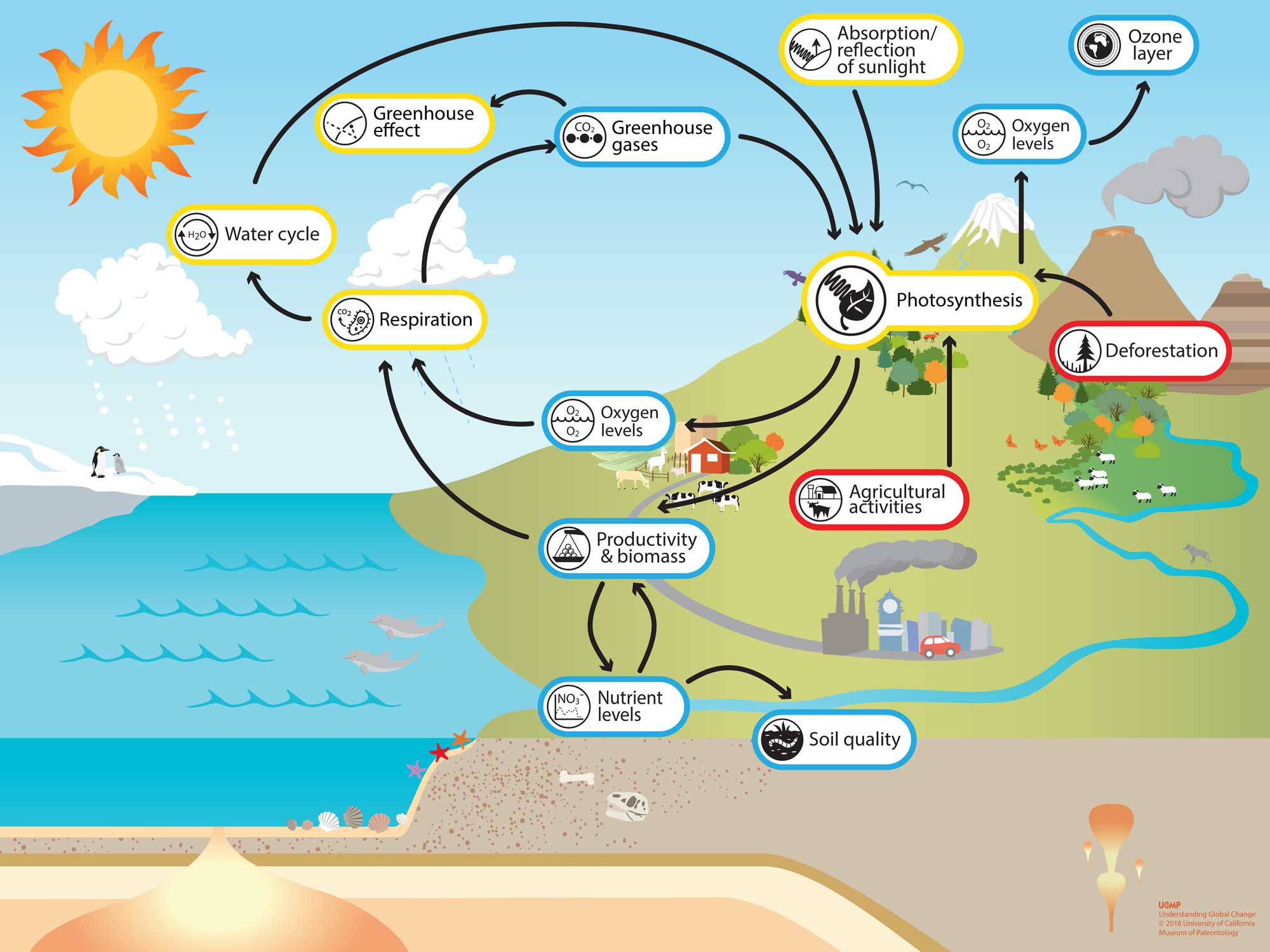
Life on Earth depends on photosynthesis in many ways. Most living organisms need oxygen to survive, and the oxygen in our atmosphere comes from photosynthesis. Animals, including humans, would die if oxygen levels dropped too low - most need at least oxygen to live.
But photosynthesis does much more than just produce oxygen. It also removes carbon dioxide from the air, helps provide raw materials for cloth and paper, gives us wood for building, provides ingredients for medicines, and most importantly, produces the food we eat. Plants create fruits, vegetables, grains and spices through photosynthesis. Even the animals we get meat from depend on plants for their food.
Note
Photosynthesis is the foundation of life on Earth. Without it, there would be no oxygen in the atmosphere, no food sources for animals, and no raw materials for countless products we use daily. Every breath you take and nearly every meal you eat depends on this vital process.
What is photosynthesis?
Photosynthesis is the process by which plants make their own food using light energy. The word comes from two parts: 'photo' meaning light, and 'synthesis' meaning to produce or make.
During photosynthesis, plants take in carbon dioxide and water, and use light energy to transform these into glucose (a type of sugar) and oxygen.
The word equation for photosynthesis
We can write photosynthesis as a simple word equation:
The chemical equation for photosynthesis
We can also write this as a balanced chemical equation using symbols:
This equation shows that six molecules of carbon dioxide combine with six molecules of water to produce one molecule of glucose and six molecules of oxygen. The chlorophyll acts as a catalyst and light provides the energy needed.
Important
Remember the equations: You should be able to write both the word equation and the chemical equation for photosynthesis. Notice how the products of photosynthesis (glucose and oxygen) are exactly what animals need for respiration - this creates a perfect natural cycle.
The connection between photosynthesis and respiration
Photosynthesis and respiration are opposite processes that work together in nature. Plants use photosynthesis to produce glucose and oxygen. Animals (and plants themselves) then use respiration to break down glucose using oxygen, which releases energy and produces carbon dioxide and water. This creates a natural cycle where the products of one process become the starting materials for the other.
How do plants photosynthesise?
For photosynthesis to happen in a plant, several things must occur:
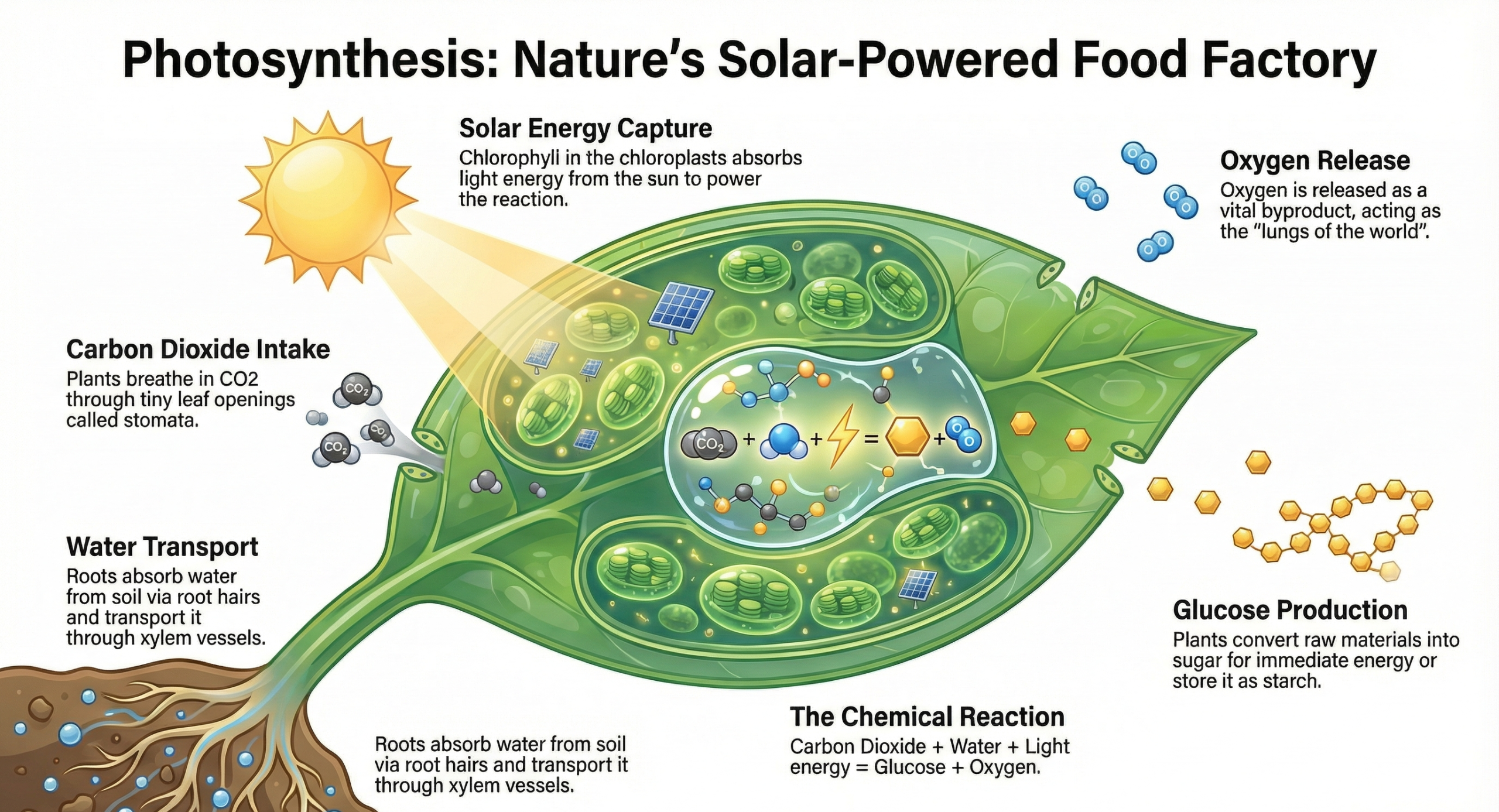
Step 1: Plants absorb water from the soil through their roots. This water travels up through the plant to reach the leaves.
Step 2: Sunlight is absorbed by the leaves. Inside each leaf are special structures called chloroplasts that contain a green pigment called chlorophyll.
Step 3: Carbon dioxide from the air enters the leaf through tiny pores on the underside of leaves called stomata (singular: stoma). These stomata can open and close to control gas exchange.
Step 4: Inside the chloroplasts, the chlorophyll traps light energy from the sun. This energy allows carbon dioxide and water molecules to combine and react.
Step 5: The reaction produces glucose, which the plant can use for energy or store for later. Oxygen is released as a waste product.
Step 6: The oxygen leaves the leaf through the stomata and is released into the air.
Note
Key structures in photosynthesis:
- Chloroplasts - tiny structures inside leaf cells where photosynthesis occurs
- Chlorophyll - the green pigment that captures light energy
- Stomata - small pores that allow gases (CO₂ and O₂) to enter and exit the leaf
All three structures work together to make photosynthesis possible.
Photosynthesis as a chemical process
We can describe photosynthesis as a chemical process because it involves reactants (carbon dioxide and water) being converted into new substances (glucose and oxygen). During this process, chemical bonds are broken and new ones are formed, creating different molecules from the starting materials.
Photosynthesis as a biological process
Photosynthesis is also a biological process because it takes place in living cells and involves multiple steps happening inside plant tissues. The process depends on living structures like chloroplasts and is controlled by biological factors.
Oxygen production by aquatic plants
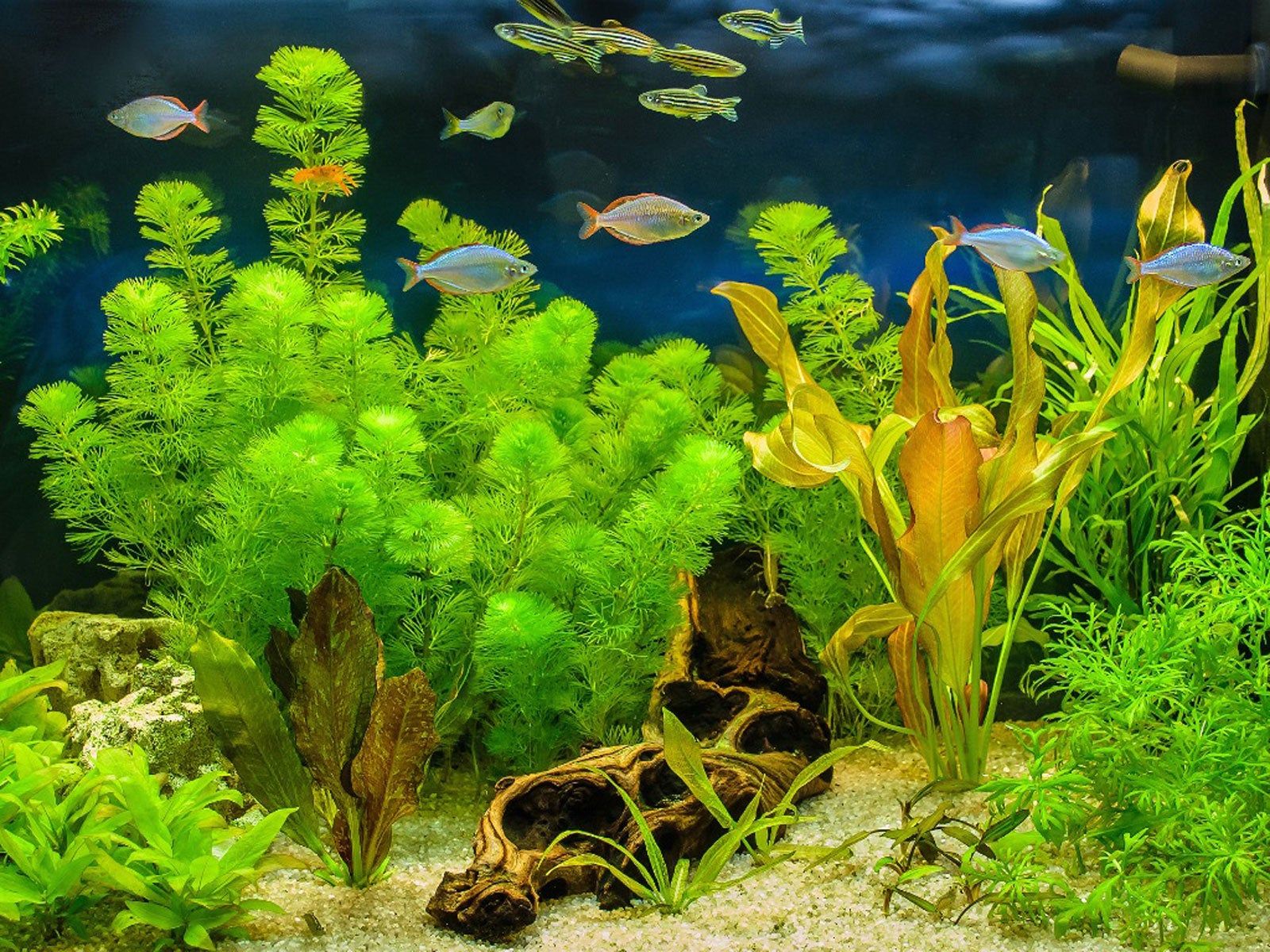
Plants that live underwater also carry out photosynthesis. Aquatic plants absorb dissolved carbon dioxide from the water and release oxygen bubbles. This oxygen is essential for fish and other aquatic animals to breathe. You can often see these oxygen bubbles rising from healthy aquatic plants in ponds or aquariums.
Factors affecting photosynthesis
Several environmental factors can affect how quickly photosynthesis occurs. A factor is anything (living or non-living) that influences something else. The three main factors that affect the rate of photosynthesis are:
- Light intensity
- Carbon dioxide concentration
- Temperature
Light intensity
As light intensity increases, the rate of photosynthesis also increases. This is because more light energy is available to power the chemical reactions in the chloroplasts. However, this relationship only continues up to a certain point. After a particular light level is reached, making the light even brighter will not increase the photosynthesis rate any further. At this point, light is no longer the limiting factor - something else (such as carbon dioxide concentration or temperature) is restricting the rate instead.
Note
What is a limiting factor?
A limiting factor is any condition that restricts or slows down a process when it is in short supply. In photosynthesis, when one factor (like light) reaches an adequate level, another factor becomes the limiting one. Think of it like a production line - even if you have plenty of workers (light), if you run out of raw materials (CO₂), production slows down.
Carbon dioxide concentration
When carbon dioxide levels increase, the rate of photosynthesis also rises. This happens because more carbon dioxide molecules are available to react with water in the chloroplasts. However, similar to light intensity, this only works up to a certain level. If carbon dioxide levels fall too low, there will not be enough gas available for the photosynthesis reactions to proceed quickly, and this will limit the overall rate.
Temperature
Temperature affects photosynthesis because the process is controlled by enzymes - special protein molecules that speed up chemical reactions in living cells. Enzymes work best at particular temperatures.
At low temperatures, photosynthesis happens slowly. As temperature increases, so does the rate of photosynthesis, because the enzymes and molecules move faster and react more readily.
However, if the temperature gets too high (generally above ), the enzymes begin to break down and lose their shape. This is called denaturation. When enzymes are denatured, they stop working, and photosynthesis will slow down dramatically or stop altogether.
Important
Temperature limits are critical!
Remember that enzymes controlling photosynthesis are permanently destroyed above approximately . This is why plants in very hot climates often struggle - once the enzymes denature, they cannot be repaired, and photosynthesis stops completely. This is different from low temperatures, which only slow the process down temporarily.
Investigating photosynthesis
Scientists can investigate photosynthesis through carefully designed experiments. These experiments help us understand which factors affect the process and how they work as limiting factors.
Example
Experiment 8.1: Testing if light is needed for photosynthesis
Aim: To demonstrate that light is required for photosynthesis to occur.
Method:
- Take a potted plant and place it in complete darkness for hours. This removes any starch (stored glucose) already in the leaves.
- Cover one leaf with aluminium foil to block all light from reaching it. Leave another leaf uncovered and exposed to light.
- After several hours in bright light, remove both the covered and uncovered leaves from the plant.
- Test both leaves for the presence of starch using the iodine test:
- Place each leaf in boiling water to soften it
- Place the leaf in hot alcohol to remove the chlorophyll (this turns the leaf pale)
- Rinse the leaf in water
- Add iodine solution to the leaf
Results: The leaf that was exposed to light turns blue-black when iodine is added, showing that starch is present. The leaf that was covered with foil remains brown (the colour of iodine), showing no starch is present.
Conclusion: Light is essential for photosynthesis. Without light, the plant cannot produce glucose (which is converted to starch for storage). This proves that light is a necessary factor for photosynthesis to take place.
Note
Exam Tip: When drawing diagrams in examinations, always remember to add clear labels to show what each part represents. Labels should point directly to the relevant parts of your diagram.
Example
Experiment 8.2: Investigating how light intensity affects photosynthesis rate
Aim: To show that light intensity affects the rate at which photosynthesis occurs.
Method:
- Set up a test tube containing pondweed (an aquatic plant) in a solution of sodium hydrogen carbonate. The sodium hydrogen carbonate provides dissolved carbon dioxide for the plant.
- Place the test tube in a water bath at to keep the temperature constant throughout the experiment.
- Position a lamp cm away from the pondweed and use a light meter to measure the light intensity.
- Count and record the number of oxygen bubbles produced by the pondweed per minute. The bubbles rise from the plant as it photosynthesises.
- Allow the plant three minutes to adjust each time you change the lamp position.
- Repeat steps with the lamp at different distances ( cm, cm, cm), measuring the light intensity and counting bubbles each time.
Variables:
- Independent variable: Light intensity (changed by moving the lamp)
- Dependent variable: Rate of photosynthesis (measured by counting oxygen bubbles per minute)
- Controlled variables: Temperature (kept at ), carbon dioxide level (kept constant by using sodium hydrogen carbonate solution)
Results: The experiment shows that as light intensity increases, the rate of photosynthesis (measured by bubble production) also increases. However, after reaching a certain light level, the rate plateaus and stops increasing even if the light becomes more intense.
Conclusion: Light intensity affects the rate of photosynthesis. When light intensity increases, photosynthesis speeds up. However, beyond a certain point, more light does not lead to a faster rate because another factor (such as carbon dioxide concentration or temperature) becomes the limiting factor.
Important
In experiments, it's crucial to identify your variables correctly:
- The independent variable is what you deliberately change
- The dependent variable is what you measure
- Controlled variables are factors you keep constant to ensure a fair test
Knowledge of photosynthesis and plant yields
Understanding photosynthesis helps farmers and growers increase plant yield - the amount of food or other products a plant produces for a grower. By controlling the factors that affect photosynthesis, we can help plants grow bigger crops more efficiently.
Greenhouses
Farmers use greenhouses to create ideal conditions for photosynthesis. Inside a greenhouse, growers can control the temperature to keep it at the optimum level for plant growth. The glass or plastic covering traps heat, allowing plants to photosynthesise more efficiently even in cooler weather. This leads to larger crops and faster growth rates.

Note
Greenhouse advantages:
Greenhouses allow farmers to overcome natural limitations by controlling environmental factors. By maintaining optimal temperature, protecting plants from extreme weather, and extending growing seasons, greenhouses can dramatically increase crop yields. This is especially valuable in cooler climates where outdoor growing seasons are short.
Lighting adjustments
Artificial lights can be used to extend the hours of light that plants receive, or to increase light intensity in shaded areas. For example, lighting rigs are used in some stadiums to help grass grow in areas that receive limited natural sunlight. This ensures the grass stays healthy and green by maintaining a good rate of photosynthesis.
Burning natural gas
Some greenhouse operators burn natural gas inside the greenhouse. This might seem unusual, but it serves an important purpose. Burning the gas releases carbon dioxide, which increases the carbon dioxide concentration in the air. Higher carbon dioxide levels lead to increased rates of photosynthesis, helping plants grow faster and produce larger yields. The burning also generates heat, which helps maintain the optimum temperature for growth.
Note
Gas enrichment benefits:
By burning natural gas in greenhouses, farmers achieve two benefits at once: they increase CO₂ levels (promoting faster photosynthesis) and generate heat (maintaining optimal temperatures). This dual benefit makes it a cost-effective way to boost plant growth and maximize yields.
Remember!
Summary
Key Points to Remember:
-
Photosynthesis produces oxygen and food: Plants use light energy to convert carbon dioxide and water into glucose and oxygen. The oxygen is essential for most life on Earth.
-
The word equation: carbon dioxide + water + light energy (with chlorophyll) → glucose + oxygen
-
The chemical equation:
-
Three main limiting factors: Light intensity, carbon dioxide concentration, and temperature all affect the rate of photosynthesis. Each factor only increases the rate up to a certain point.
-
Temperature and enzymes: Photosynthesis speeds up as temperature rises, but if it gets too hot (above about ), enzymes are destroyed and photosynthesis stops.
-
Practical applications: Knowledge of photosynthesis helps farmers use greenhouses, artificial lighting, and increased carbon dioxide to maximize crop yields.