Properties of Materials (Junior Cert Wood Technology): Revision Notes
📚Revision Notes
Material Properties
Introduction to Material Properties
Understanding material properties is crucial for using wood in technology. Knowing these properties helps pick the right materials to create wooden items that are durable, innovative, and eco-friendly.
Definitions and Key Properties of Materials
- Hardness: Measures how well a material avoids scratches and dents. It affects the durability of wood products. Hardwoods resist wear better than softwoods.
- Strength: The material's ability to hold weight without breaking. Important for using wood in structures like beams.
- Toughness: Ability to absorb energy and change shape before breaking. Needed for items like sports equipment and furniture.
- Elasticity: Ability to return to original shape after stretching or compressing. Key for flexible wood products combined with rubber.
- Plasticity: Ability to be moulded without breaking, common in materials like clay and acrylic.
- Absorbency: Capacity to soak up liquids, affecting susceptibility to water damage or suitability for coatings.
- Waterproof Properties: Prevention of water entry. Finishes like varnish make wood waterproof.
- Insulation: Ability to block heat or sound. Wood often acts as a thermal or acoustic insulator.
Comparisons
Note
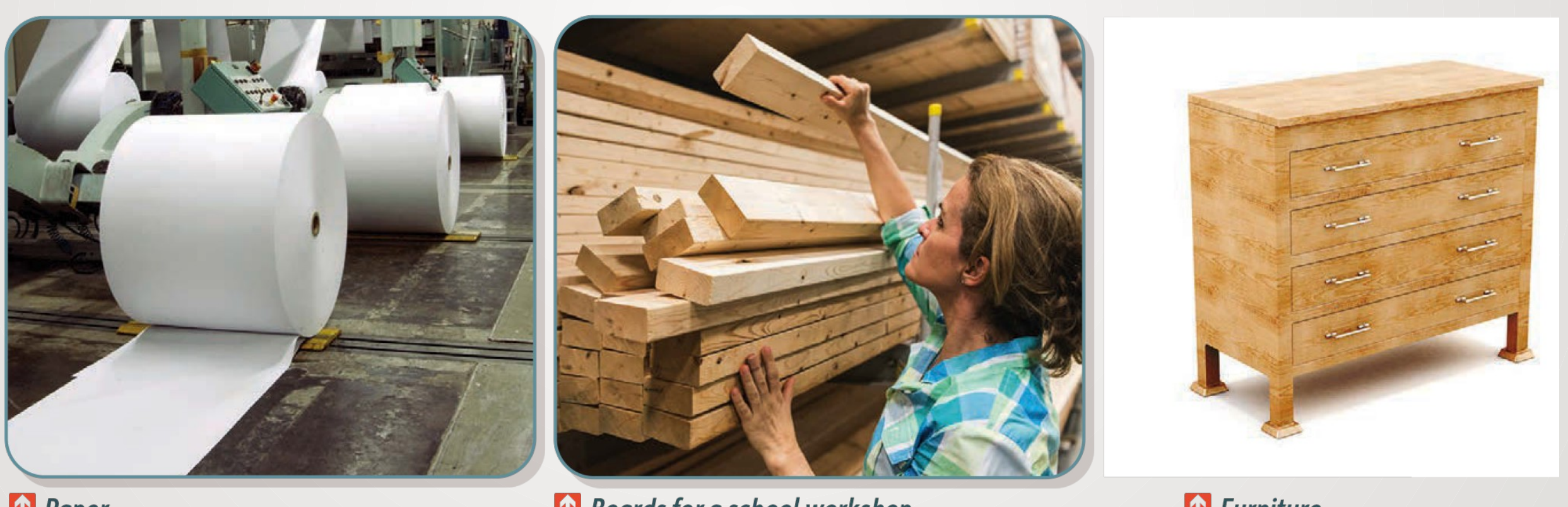
Wood, metals, plastics, ceramics, and textiles have unique properties affecting their use. Metals conduct heat and electricity better, while wood insulates better. Wood is used in furniture for its look and insulation, while metals are chosen for strength.
Applications and Contextual Usage
Knowing material properties affects use and costs. For example, using wood for outdoor furniture requires knowledge of waterproofing, impacting cost and needed skills.
Conclusion
Understanding material properties in wood technology helps innovation, eco-friendliness, and effective use. This knowledge supports designing and making products that meet environmental and performance goals.
Summary
Note
- Material properties guide wood use in technology.
- Hardness, strength, and insulation are key for choosing materials.
- Comparing materials improves their use.
- Applications highlight why these properties matter in design and manufacturing.