Designing Step-by-Step (Junior Cert Wood Technology): Revision Notes
📚Revision Notes
Wood Technology Design Process
Overview
In wood technology, the design process involves breaking a project into simple steps. These steps include researching, coming up with ideas, making prototypes, checking, and improving, all leading to a successful outcome. A step-by-step approach helps solve problems and ensures that woodworking projects are both useful and attractive.
Definitions
- Design Process: A method for making useful and appealing projects by breaking down tasks.
- Ideation: The act of creating, developing, and sharing new ideas.
- Prototyping: Making a basic version of a product to test ideas.
- Feedback Loop: A method to collect opinions and results to improve the project.
Initial Stages
Research
- Start with thorough research to fully understand the project needs.
- Identify any challenges and what users need.
Ideation
- Brainstorm to find both problems and solutions.
- Use drawings to clearly express and refine ideas.
- Example: In a furniture design session, early sketches show different chair designs with labelled materials and forms.
Concept Development
- Create sketches to develop initial ideas.
- Make basic prototypes with various materials to test their shape and function.
- Use design principles to revise ideas through several iterations.
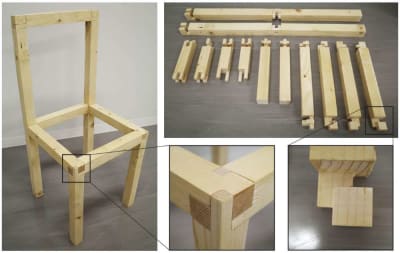
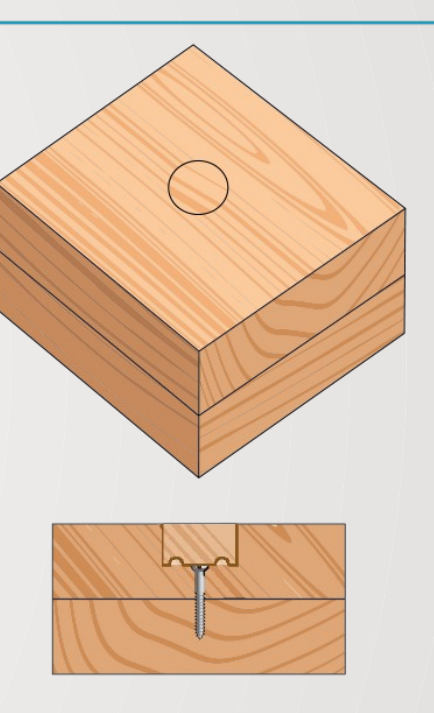
- Label design diagrams, like wood joints, to highlight important considerations.
Evaluation and Refinement
- Set up a system for testing the design's success using feedback and trials.
- Use feedback to guide ongoing improvements, ensuring the design meets user needs.
Note
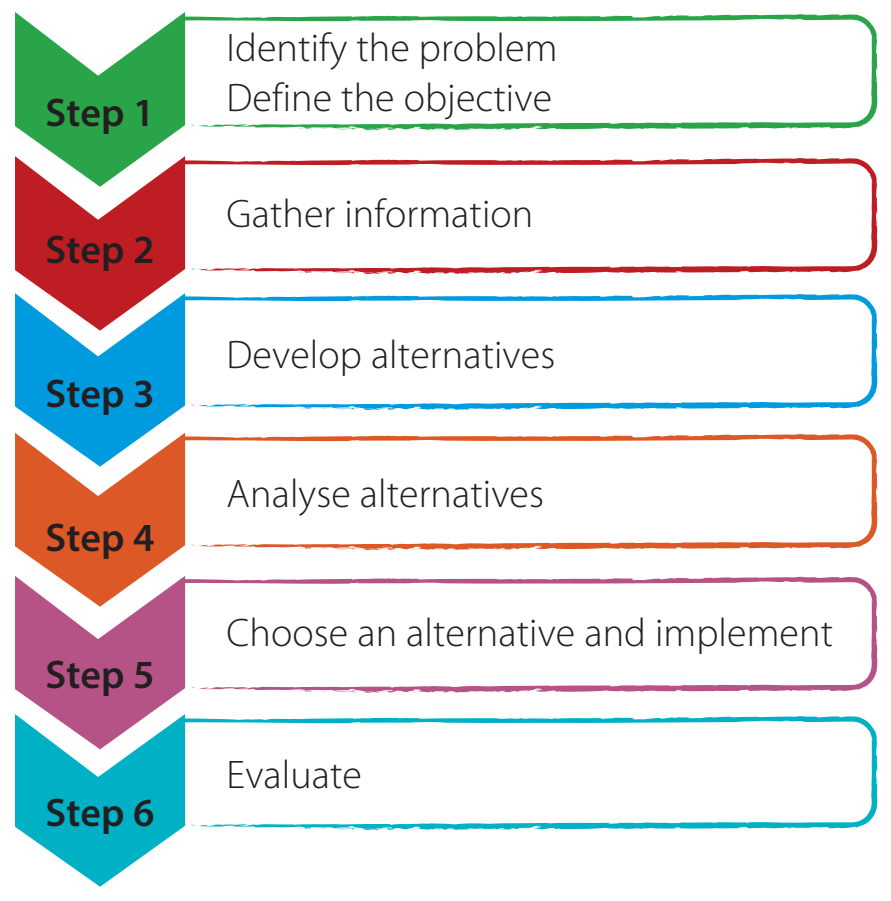
- Make changes based on data and feedback. An example is improving chair designs for better comfort over time.
Implementation
- Choose materials for durability, sustainability, and compatibility with project goals.
- Use appropriate construction methods for the design.
- Convert prototypes into final products by using techniques and finishes that comply with the design plan.
Note
- Apply finishes to improve durability and looks, using images to show the effects of different finishes.
Project Presentation
Structuring Presentations
- Break presentations into parts: Introduction, Problem, Solution, and Implementation.
- Develop visuals like boards and detailed images to support your message.
Effective Storytelling
- Modify presentations to suit different audiences using storytelling.
- Example: A slide about a wooden table design emphasising material sourcing to engage environmentally focused audiences.
Note
Summary
- Follow steps to manage projects effectively.
- Develop ideas through sketches and prototypes.
- Constantly evaluate to find and implement improvements.
- Emphasise the importance of material selection and presentation.
- Each design step is crucial to achieving project success.