Resistance (Junior Cert Wood Technology): Revision Notes
📚Revision Notes
Resistance in Circuits
Resistance controls electric current in circuits by limiting electrical energy, affecting circuit function.
Definitions
- Resistance: Stops electric current flow, essential for energy control in circuits and turning energy into heat.
- Resistor: Adds resistance to a circuit, controlling current and voltage.
Measurement of Resistance
- Measure resistance with a multimeter:
- Switch off power.
- Set multimeter to resistance mode.
- Connect probes to the component, read ohms (Ω).
Note
Ensure that the power is fully switched off to avoid damage to the multimeter or the component.
Factors Affecting Resistance
- Material: Conductivity changes resistance; copper is low, rubber is high.
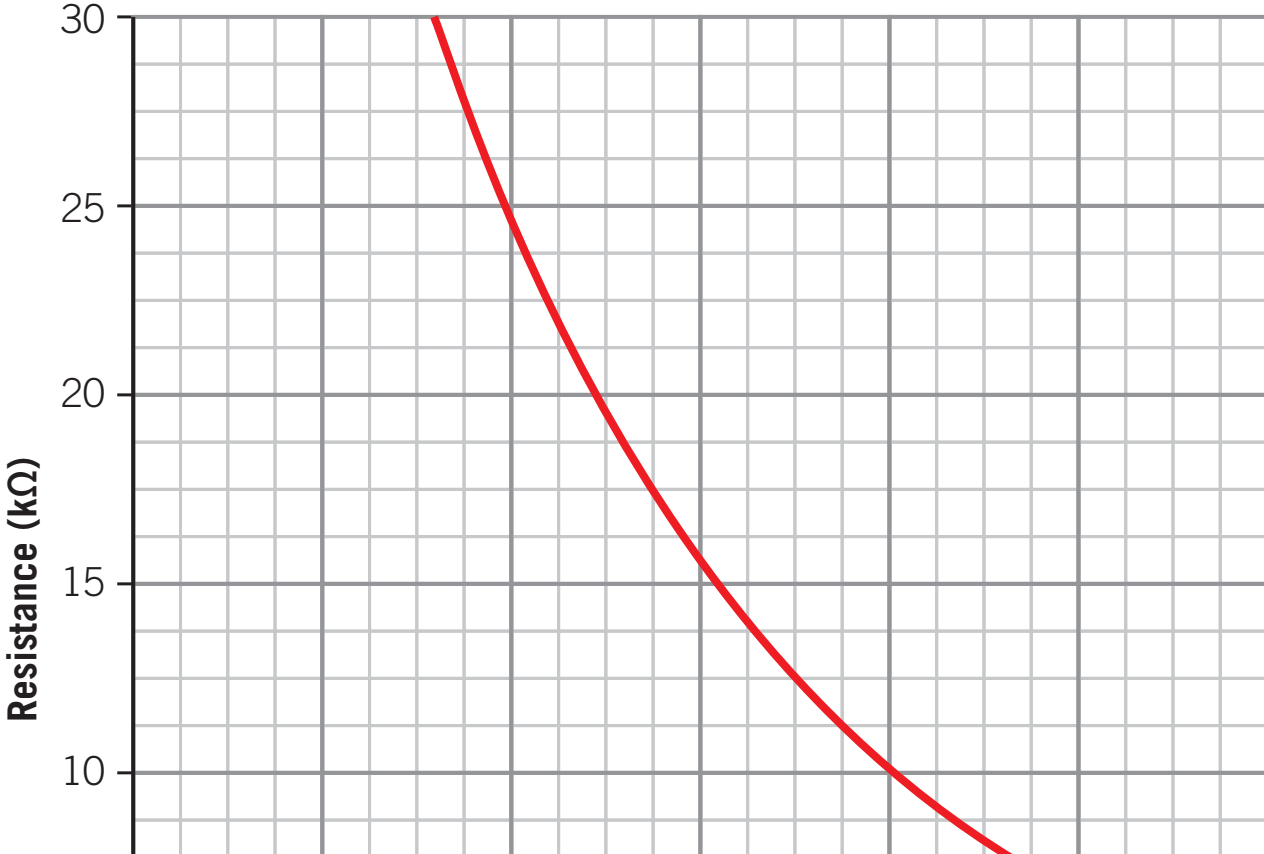
- Temperature: Heat increases resistance in conductors.
- Cross-sectional Area: Larger areas lower resistance.
Important
Remember that different materials will have vastly different levels of resistance, which can significantly impact circuit functionality.
Resistors and Their Function
Resistors add resistance, affecting flow and voltage in circuits.
- Types:
- Fixed Resistors: Have specific values, key for stable designs.
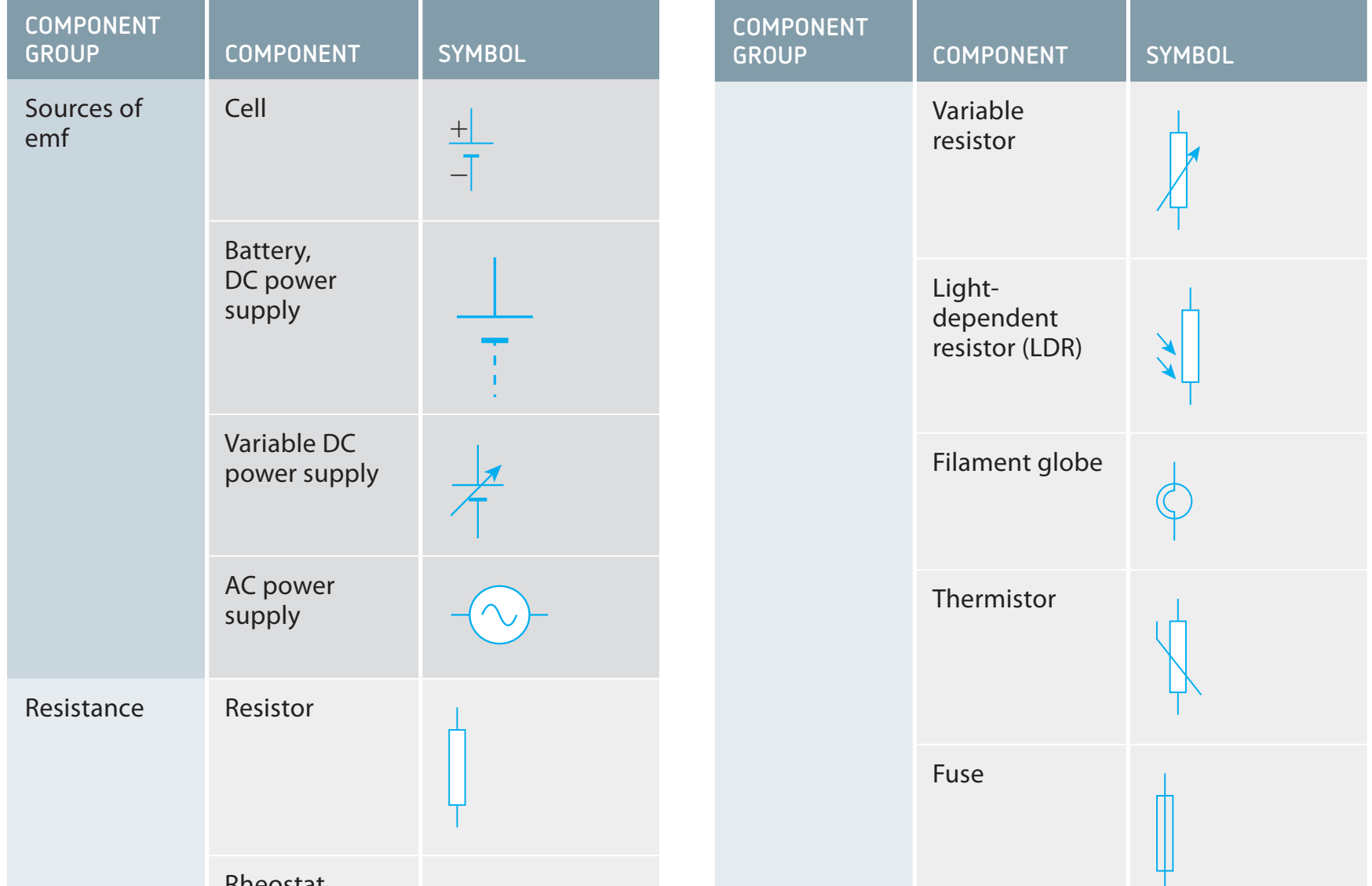
- Variable Resistors (Potentiometers): Adjustable, used for volume control.
- Functions:
- Limit current to prevent damage.
- Divide voltage among components.
- Reduce electrical noise.
Circuit Diagram
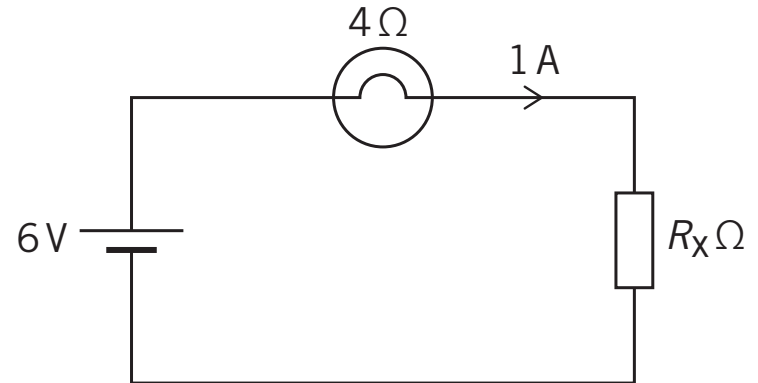
Example of a circuit with a resistor:
- Includes: 6V battery, 4-ohm resistor, current source, Rx resistor.
- Resistor controls current to safe levels, placed in series with supply and load.
Note
A well-placed resistor is crucial to maintaining circuit integrity and ensuring component safety.
Summary
Note
- Resistance opposes current, measured in ohms.
- Factors: material, temperature, cross-sectional area.
- Resistors manage current and voltage in circuits.
- Diagrams effectively show resistor roles.