Preserving Timber (Junior Cert Wood Technology): Revision Notes
📚Revision Notes
Wood Preservatives
Definitions
- Preservative: A substance used to keep wood safe from decay, insects, and other damage.
- Oil-based preservative: A preservative that uses oil to soak into and protect wood.
- Water-based preservative: A preservative with water as the primary solvent.
- Organic solvent-based preservative: A wood preservative using organic solvents to thin chemicals for protection.
Oil-based Preservatives
- Content:
- Penetration Method: Uses oil to seep into wood fibres, offering protection from within. Ideal for deep penetration but requires time between coats.
- Effectiveness: Protects against fungi, insects, and weathering, though less effective on the surface compared to varnish-like finishes.
- Use Cases: Suitable for marine wood and utility poles due to deep penetration.
-
Important
Environmental Concerns: Risk of oil spills and toxic runoff, especially in rainy conditions. Limited use in sensitive areas.
Water-based Preservatives
- Content:
- Composition: Usually includes copper or biocides, enhancing protection by forming a barrier, while being more eco-friendly.
- Safety Features: Less toxic than oil-based, making them safer for residential use.
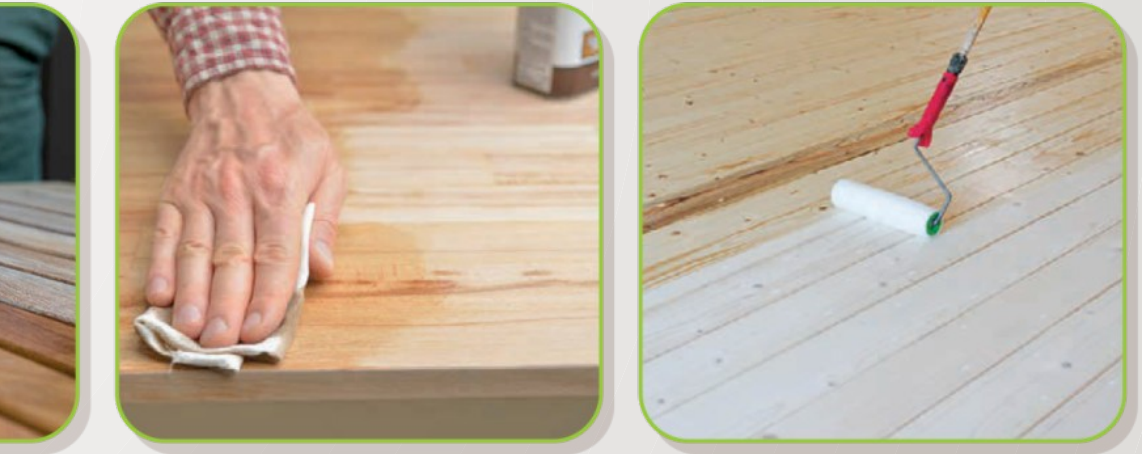
- Application: Applied with standard tools; complete coverage is necessary to avoid missed spots.
- Use Cases: Ideal for household items like furniture. Safer and suitable for areas near people.
- Drawbacks: Can leach, especially in wet areas, necessitating frequent reapplication.
- Diagrams:
Organic Solvent-based Preservatives
- Content:
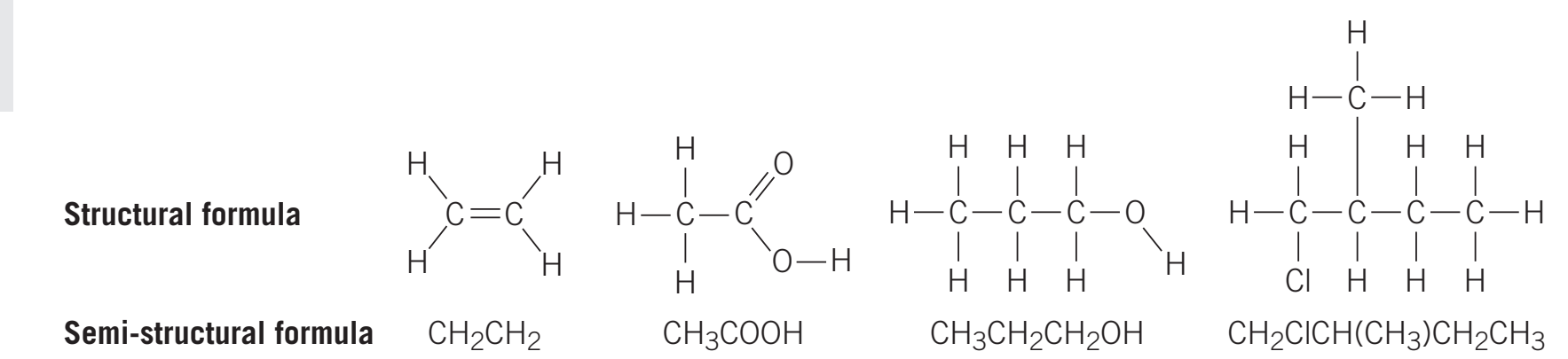
- Chemical Properties: Uses chemicals that bond with wood, effective in preventing damage from biological and environmental threats.
- Durability: Provides long-lasting protection in harsh environments like industrial areas but poses environmental threats, including high emissions.
-
Important
Limitations: Highly volatile, contributing to pollution, and can pose health risks if not used properly.
- Environmental Impact: Major due to solvent emissions; requires strict measures to reduce effects.
- Diagrams:
Comparative Analysis
- Content:
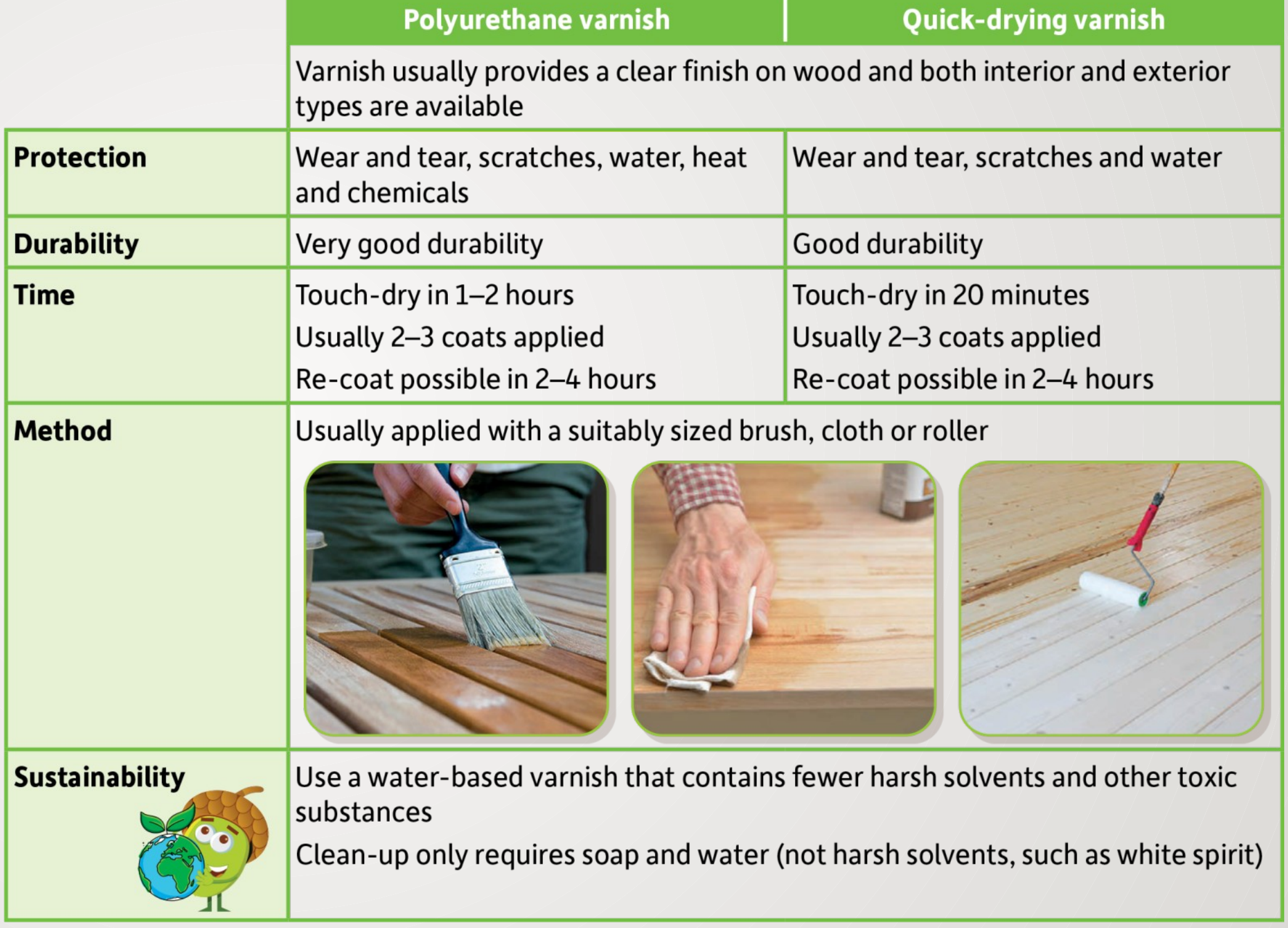
- A table comparing the advantages and disadvantages of oil-based, water-based, and organic solvent-based preservatives concerning application ease, protection level, and environmental impact.
- Diagrams:
Summary
Note
Oil-based preservatives: Effective, deeply penetrating, with environmental challenges concerning spills and runoff.
Water-based preservatives: Safer, with lower toxicity; however, they may leach and need more frequent applications.
Organic solvent-based preservatives: Very durable in industrial conditions but environmentally risky due to emissions and hazards.
Choose based on use case needs, effectiveness, and environmental impact.