Materials and Processes (Junior Cert Wood Technology): Revision Notes
📚Revision Notes
Materials and Processes: Health and Safety
This revision note covers 'Materials and Processes' in the 'Health and Safety' section of Wood Technology. It looks at materials used in wood technology, compares wood properties with alternatives, and discusses safety tips for processes like cutting, shaping, and finishing.
Definitions
- Wood: A natural material from trees, used for building and furniture because it is strong and easy to work with.
- Alternative Materials: Other materials like plastics, metals, or composites, which have different properties than wood.
- Cutting: Splitting material into parts with tools like saws or lasers.
- Shaping: Changing the shape of materials using tools like chisels or CNC machines.
- Finishing: A process to smooth or colour a material's surface for looks or protection.
- Safety Guidelines: Rules to keep everyone safe while working with materials.
Examine Commonly Used Materials
Note
Understanding material properties is essential for safe and effective use in wood technology.
- Types of Wood:
- Hardwoods: Dense and perfect for strong furniture and floors.
- Softwoods: Lighter, often used for building structures.
- Manufactured Woods: MDF, Plywood are strong and good for cabinets and panels.
- Properties: Strength, grain, and moisture matter in use. Knowing the grain direction helps avoid splintering and tool kickback.
- Alternative Materials:
- Plastics, metals, and composites offer many uses and unique benefits.
- Environmental Impact: Sustainability varies by how they are made and sourced. Plywood uses forest resources efficiently.
- Comparison Table: Wood vs. Alternatives
- Key factors: Durability, workability, and environmental impact.
Safety Considerations for Material Processing
Important
Always adhere to safety guidelines to prevent accidents during material processing.
- Cutting Materials:
- Tools: Bandsaws and lasers need careful handling.
- Precautions: Fasten materials securely and wear eye protection to prevent cuts or burns.
- Shaping Safety:
- Hazards: Routers and lathes may cause flying debris and injuries.
- Protective Gear: Wear face shields and dust masks to guard against debris and dust.
- Methods: For hard woods and metals, use slower speeds to avoid tool damage.
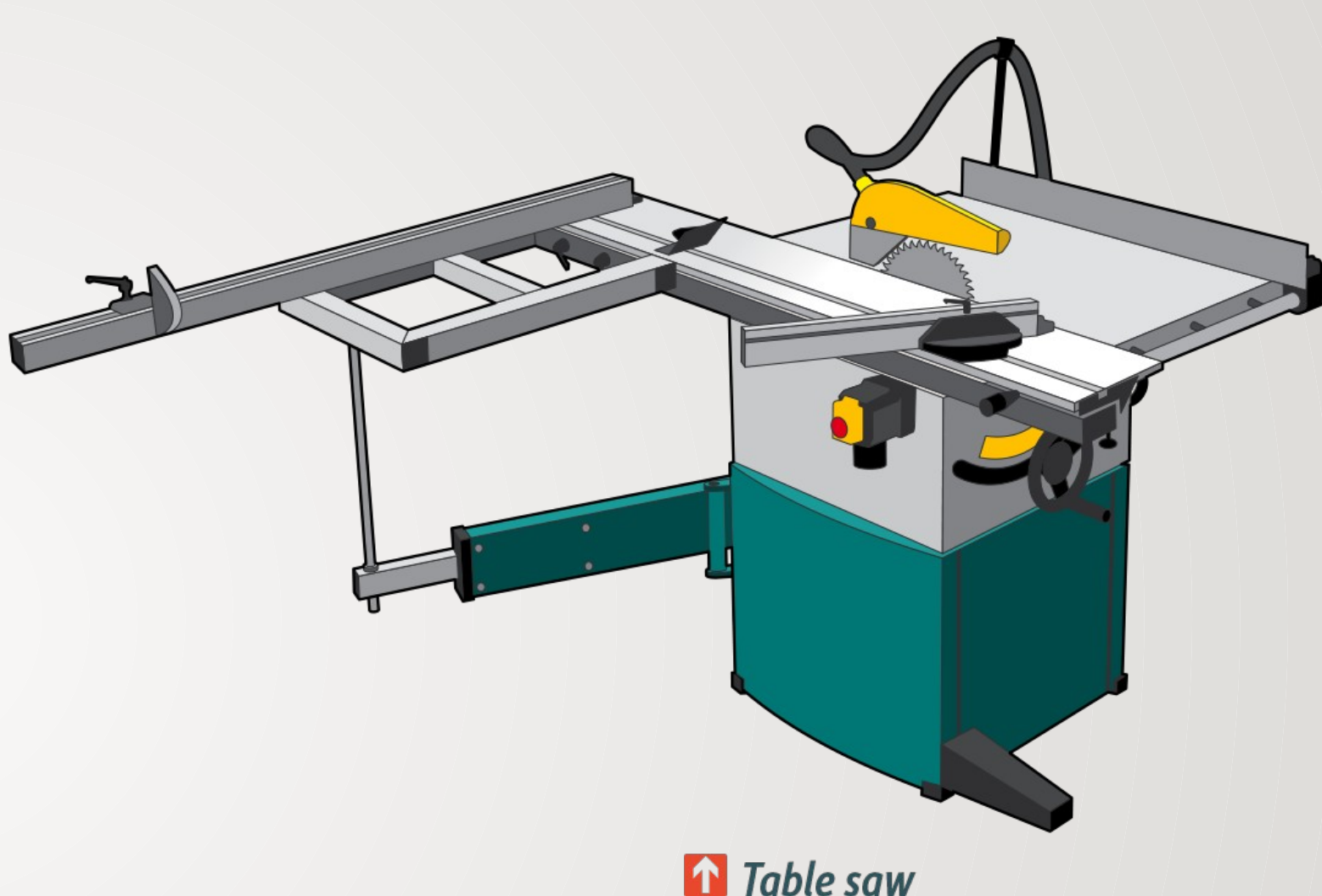
Safety Guidelines for Material and Finish Application
- Natural vs. Manufactured Materials:
- Ventilation and Dust Control: Keeps you from breathing in dust.
- Applying Finishes:
- Lacquers and Varnishes: Wear masks and gloves for safety.
- Finishing Application: Work in well-ventilated spaces to avoid fumes. Store safely.
- Personal Protective Equipment (PPE) Checklist:
- Use safety glasses, gloves, dust masks, and clothes for specific tasks. Dust masks protect against fine particles when working with wood.
Note
Summary
- Understanding material properties is key to safe use.
- Comparing wood with alternatives shows different safety requirements.
- Following safety guidelines is crucial during cutting, shaping, and finishing.
- Using the right PPE and knowing material traits helps prevent processing accidents.